Here's the short version of this Amazon wedding registry guide: go to Amazon's wedding registry page, create an account (or log into your existing one), answer a few questions about your wedding date, and start scanning or searching for items — the registry builds itself as you add things. The whole setup takes about 15 minutes. The part that actually takes thought is deciding what to add, and in what order, which is what the rest of this guide is for.
The registry that does the returns for you
Amazon's wedding registry has the longest return window and a completion discount for whatever's left.
Start your wedding registry →- Top pickAmazon Basics Microfiber Sheet Set (Queen)~$28
- Best budgetOXO Good Grips POP Container (3.4qt)~$16
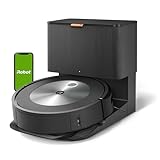
- Worth the splurgeiRobot Roomba j7+ Self-Emptying Robot Vacuum~$550
We've combed through registries, talked to newly married friends about what they wish they'd known, and pulled together an honest, non-sponsored-feeling breakdown of how to do this well — plus specific product picks so you're not starting from a blank search bar.
No purchase needed to set one up. Amazon's registry tool is free to use, works with items from anywhere (not just Amazon), and takes about 15 minutes to get rolling.
Create your registry →How to actually set up your registry
The setup itself is genuinely simple, but a few small choices early on save you headaches later. Here's the order that works:
- Create the registry under one household name. Most couples register jointly under both names or a combined household name — pick whichever you'll actually want printed on invitations and shared in links.
- Add your wedding date and shipping address. This lets Amazon show a countdown to guests and route gifts to the right place — useful if you're moving before the wedding.
- Install the registry browser extension or use the app to "add anywhere." This is the feature people sleep on — you can add items from other stores (Target, Crate & Barrel, a local boutique) to your Amazon registry and it'll track them in one unified list, even though fulfillment happens through the original retailer.
- Turn on the completion perk before you start adding items. A completion discount is typically offered on unpurchased registry items after the wedding — the exact percentage and eligibility window change from time to time, so confirm the current terms on the signup page rather than trusting an old blog post (including this one).
- Set your registry to public once you're ready to share it. Some couples build it privately first, then flip visibility on right before sending it out with save-the-dates.
That's the entire technical setup. Everything after this is just deciding what goes on the list.
What to add first (before you add anything else)
Registries fall apart when couples try to build the whole thing in one sitting. You end up with either 40 random items or nothing at all because it feels overwhelming. Instead, do a first pass focused only on things you'll use in the first month of living together — the stuff that turns a new address into an actual home.

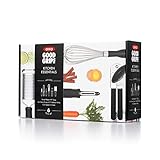
Notice what these have in common: none of them are exciting to unwrap, and all of them get used constantly. Early registry items should skew toward function. Save the statement pieces for the next section.
Registry checklist by category
Once the essentials are on the list, work through categories methodically instead of randomly scanning aisles. Here's a rough framework, roughly in the order most couples find themselves shopping:
| Category | Add early | Add later / splurge |
|---|---|---|
| Bedding & bath | Sheet sets, towels, a good pillow | Weighted blanket, robe sets, luxury linens |
| Kitchen basics | Utensil set, cutting boards, everyday dishware | Stand mixer, espresso machine, specialty cookware |
| Home organization | Storage bins, drawer organizers, pantry containers | Closet systems, furniture |
| Everyday carry | Insulated tumblers, lunch containers | Matching travel sets |
| Cleaning & upkeep | Basic vacuum, laundry hamper | Robot vacuum, premium appliances |
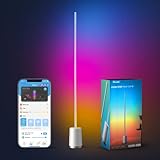
| Décor & ambiance | Basic lamps, picture frames | Statement lighting, art |
The "add later / splurge" column isn't a lesser category — it's just where the big-ticket group gifts belong. Several guests can chip in together on one expensive item through Amazon's group gifting feature, which is exactly how something like a robot vacuum ends up getting fully funded instead of sitting unbought.
Common registry mistakes (and how to avoid them)
A few patterns show up over and over when couples look back at their own registries a year later:
- Under-registering. Add more items than you think you need, spread across price points. A registry with only ten items forces every guest to compete for the same five things — a longer list gives everyone room.
- Skipping the cheap stuff. It feels awkward to add a $12 can opener next to a $400 mixer, but budget-conscious guests (and there are always some) need affordable options too. A wide price range means everyone can participate comfortably.
- Forgetting to update quantities. If you register for eight towels and already own four, adjust the number so you don't end up with twelve.
- Waiting too long to make it public. Guests start shopping earlier than you'd expect, especially for engagement parties and bridal showers. Publish the registry well before you need it.
- Not checking back before the wedding. Registries shift as your life does — new apartment, new needs. A quick review a month or two before the wedding lets you swap out anything that no longer fits.
Registry perks worth knowing about
Beyond the obvious "guests buy you things you actually want," registering through Amazon comes with a handful of built-in conveniences worth understanding upfront — though as with the completion perk mentioned earlier, specifics like discount amounts and eligibility windows can change, so always check the current details on the signup page rather than assuming last year's terms still apply.
| Perk | What it generally means |
|---|---|
| Universal registry / add-anywhere | Add items from other retailers alongside Amazon products in one combined list |
| Completion discount | A discount is typically offered on remaining unpurchased items after the wedding — confirm current terms before relying on it |
| Group gifting | Multiple guests can contribute toward one larger item instead of splitting into separate smaller gifts |
| Returns & exchanges | Registry purchases generally have flexible return windows, useful for duplicate gifts |
| Thank-you tracking | The registry dashboard tracks who bought what, which makes writing thank-you notes far less chaotic |

When to start your registry
Most etiquette guides land on roughly the same window: start building your registry shortly after getting engaged, and aim to have it public within a few weeks of your engagement party or before save-the-dates go out — whichever comes first. Guests, especially for engagement parties and bridal showers, start looking earlier than most couples expect. A registry that isn't live yet just means those guests default to cash, gift cards, or guessing, none of which serve you as well as a thoughtful list.
You don't need to have it finished — just started. Add the essentials from the first section, publish it, and keep refining as the wedding gets closer.
Setup takes about 15 minutes, it's free, and you can add items from any store — not just Amazon. Get it live before your engagement party.
Start your registry now →Frequently asked questions
How do I set up an Amazon wedding registry?
Go to Amazon's wedding registry page, sign in or create an account, add your wedding date and shipping details, and start adding items by searching or scanning them with the app. The basic setup takes about 15 minutes; building out the full list takes longer and is worth doing gradually.
Is an Amazon wedding registry free?
Yes. Creating and managing a registry costs nothing, and there's no requirement to purchase anything to set one up. Amazon offers optional perks tied to the registry, like a completion discount on leftover items, but confirm the current terms on the signup page since specifics can change.
Can I add items from other stores to my Amazon registry?
Yes. Amazon's registry supports a universal "add anywhere" feature, letting you add products from other retailers into the same list using a browser extension or the mobile app, so your registry can live in one place even if the gifts come from several stores.
What should go on a wedding registry first?
Start with everyday essentials you'll use immediately after the wedding — bedding, basic kitchen tools, and everyday drinkware are a good first pass. Add big-ticket splurge items and décor after the essentials are covered, since those work well as group gifts later in the process.
How many items should be on a wedding registry?
Most etiquette guidance suggests aiming for roughly two to three gift options per expected guest, spread across a wide range of price points. A longer, varied list gives guests more room to choose comfortably instead of competing over the same handful of items.
When should we start our wedding registry?
Shortly after getting engaged is typical, with the goal of having it public before your engagement party or save-the-dates go out. Guests often start browsing earlier than couples expect, so an early, even incomplete, registry serves you better than a late, finished one.
Do unused registry items expire?
Registries generally stay active well past the wedding date, and many couples continue adding or purchasing items for months afterward using any completion perk that applies. Check the current policy on the signup page, since time windows and terms can be updated.