Somewhere around your third connection of the year, you start noticing the lounge people. They glide past the gate area where everyone else is folded into plastic chairs, headed toward free mimosas and quiet armchairs behind a frosted glass door. You are not one of them. You don't have the credit card with the $550 annual fee, the elite status earned through 75,000 miles a year, or the $59 you're willing to spend on cold pasta and a shower you didn't need. That's fine, because the lounge isn't actually magic — it's four or five comforts stacked together: quiet, a charged phone, somewhere soft to sit, and food you don't hate. You can build all of that at gate 34, in the same plastic chair as everyone else, for less than one day pass.
- Top pickBose QuietComfort 45 Headphones~$329
- Best budgetMaster Lock TSA-Accepted Combination Lock~$10
This isn't a "trick the airline" story. It's a gear list from people who fly enough to know exactly what makes a terminal feel survivable instead of hostile. Buy this once and you'll have first-class energy at every gate for years.
Step one: kill the noise, because that's 80% of what a lounge is actually selling you
Walk into an actual airport lounge and the first thing you notice isn't the free snacks — it's the silence. No boarding announcements every four minutes, no crying toddler two rows over, no guy on a video call with his laptop speaker cranked. That silence is the product. A lounge day pass is, functionally, a very expensive noise filter with a bar attached. You can buy the noise filter on its own for a fraction of the price, and it works in every terminal on earth, not just the ones with a lounge.
The Bose QuietComfort 45 is the gold-standard pick. Bose has refined active noise cancellation longer than almost anyone, and the QC45 flattens engine drone, PA announcements, and general terminal chaos into something closer to a low hum. They stay comfortable for six hours straight, which matters more than people expect — plenty of noise-canceling headphones start to ache at the temples by hour two. This is the one splurge on this list worth not talking yourself out of.
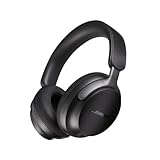
If $329 is more than you want to spend on headphones, or you'd rather have something that doesn't scream "I'm ignoring you" during a layover conversation with a stranger, earbuds do most of the same job in a smaller package. The Soundcore P3i has real active noise cancellation, a case that keeps them charged through a full travel day, and they disappear into a jacket pocket instead of taking up a quarter of your backpack. Not quite the isolation of a full over-ear pair, but close enough that most people can't tell the difference in a loud terminal.
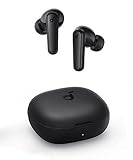
Either way, the move is the same: noise-canceling on, a podcast or a playlist you actually like, and the gate area quietly stops being able to get to you. That one change does more to make an airport bearable than anything else on this list.
Power: because a dead phone turns you into a hostage, not a traveler
Lounges keep you charged without you thinking about it — outlets at every seat, USB ports built into the furniture. Regular gate seating wasn't designed with this in mind, and you'll often find yourself on the floor next to the one working outlet, sharing it with four strangers. The fix isn't hoping for a free outlet. It's carrying enough battery that you stop needing one.
The Anker 737 PowerCore 24K is genuinely overkill in the best way. 24,000mAh fully charges a phone four to five times, or tops off a laptop once and a phone twice — which matters on a delayed multi-leg trip where "charge when you land" isn't an option for another nine hours. It has a small screen showing exactly how much charge is left, and it charges fast enough that even a rushed 20 minutes at the gate meaningfully tops you up.
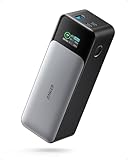
Keep it charged before you even leave the house, and pack the cable you actually use — not the one buried in a drawer that only fits half your devices. A dead battery in your bag does nothing for you at hour three of a delay.
Comfort: the part nobody plans for until their neck already hurts
The physical comfort of a lounge — real armchairs, ottomans, couches you can curl up on — is hard to replicate in a gate area built out of connected plastic scoop chairs with armrests positioned to prevent lying down. You're not turning Gate 34 into a living room. But you can soften the two things that actually hurt: your neck, and hours on hard plastic.
A proper travel neck pillow does more work here than people give it credit for. Skip the cheap inflatable horseshoe from the airport gift shop — it pushes your chin forward and does almost nothing. Look for a wraparound design with an internal brace that holds your head upright from the side. Trtl-style wraparound pillows pack flat and are the difference between waking from an accidental gate nap able to turn your head, and waking up unable to.
For the chair itself, a compact inflatable or foldable seat cushion earns its spot in your bag. A packable seat cushion takes thirty seconds to inflate, weighs next to nothing, and turns a hard scoop chair into something your tailbone can tolerate for three hours. It packs down to the size of a folded t-shirt, so there's no real reason to skip one on any trip longer than a short hop.
Snacks and hydration: the other thing lounges are quietly selling you
The free food in a lounge is rarely good — cold pasta salad, sad cheese cubes, pretzels that have been sitting out since the lounge opened. What you're actually paying for is not being at the mercy of a terminal kiosk selling a $9 bag of chips and a $6 bottle of water. You can solve that problem for less than the cost of one lounge snack by packing your own.
Bring an empty reusable water bottle through security and fill it at a fountain past the checkpoint — hydration is the easiest thing to get right and the first thing most people forget until they're dehydrated and irritable three hours into a delay. Pair it with real snacks packed from home: protein bars, nuts, dried fruit, something with actual substance instead of vending-machine sugar. It sounds too simple to be gear advice, but the number of travelers who land hungry and cranky because they packed nothing is enormous, and it's a five-minute fix the night before.
Organization: the difference between "prepared traveler" and "person unpacking their whole bag on the floor of the terminal"
Part of what makes a lounge feel calm is that everything in it has a place — chargers at every seat, food laid out and labeled, nothing to dig for. You can recreate that feeling in your own carry-on with the right packing system. Digging through a bag where your headphones, charger, snacks, and a stray phone cable are all tangled together is the opposite of lounge energy, even in the exact same gate chair as everyone else.
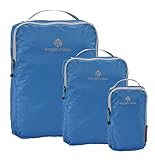
Packing cubes are the fix. Eagle Creek's Pack-It Cubes compress your stuff, keep categories separated, and mean you can grab exactly what you need — the charger, the snack bag, the headphones — without unpacking your entire carry-on onto the floor while your flight boards.
If your priority is the bathroom-bag side of things rather than gadgets and snacks, the Bagsmart toiletry bag does the same job for your liquids and small essentials — a dedicated, hanging, TSA-friendly pouch instead of a plastic ziplock bag you're fishing through at the checkpoint. Bagsmart Toiletry Bag, ~$25 →
Lock it down: the small thing that actually buys you peace of mind
Here's a real lounge advantage that has nothing to do with couches or snacks: you can get up, refill your water, or grab a coffee without hauling your entire bag with you or asking a stranger to watch it. At a regular gate, that's a real dilemma — leave your bag unattended, or drag everything with you every time you move. A TSA-approved combination lock on your bag's zippers doesn't solve the "watch my stuff" problem completely, but it lowers the stakes of stepping away for two minutes.
None of this is complicated, and that's the point. A real lounge costs a membership fee, a day-pass charge, or thousands of miles earned over a year. This kit costs a few hundred dollars once, fits in the bag you're already carrying, and works at every gate you'll ever sit in — not just the handful of airports with a lounge you can access. Pack it once, and next time you're stuck at gate 34 for three hours, you'll be the calmest person in the row.
What's the single best thing to buy first if I can only afford one item?
Noise-canceling headphones or earbuds. Silence is the biggest thing a lounge sells you, and it's the one comfort a $45 pair of earbuds or a $329 pair of headphones can replicate almost perfectly at any gate, with no membership required.
Is a 24,000mAh charger really necessary, or is that overkill for most trips?
For a short domestic hop, a smaller 10,000mAh brick would do. For long layovers, multi-leg trips, or a multi-hour delay, the extra capacity is the difference between landing with 40% battery and landing with a dead phone and no way to call a rideshare.
Are packable seat cushions actually comfortable, or a gimmick?
They genuinely help. Airport gate seating is intentionally hard and unforgiving — it discourages lingering. A packable inflatable or foam cushion softens that discomfort for very little weight or bag space, and it's one of the cheapest items on this list relative to how much it improves a long wait.
Why does a TSA lock matter if I'm not checking a bag?
Even carry-ons benefit. A locked zipper means you can step away from the gate — bathroom, coffee, a walk to stretch your legs — without leaving your laptop and headphones in an unlocked bag in a crowded space. TSA-accepted locks let screening agents open the bag with a master key if needed, so it never gets cut off during a random check.
Do I really need both packing cubes and a toiletry bag?
Not strictly, but they solve different problems. Packing cubes organize your carry-on's main compartment — chargers, snacks, cables, headphones. A toiletry bag handles liquids and small essentials at the security checkpoint. Frequent flyers tend to end up with both because each removes a different kind of daily friction.
Can this kit realistically replace an actual lounge?
It replaces most of what makes a lounge worth wanting — quiet, charged devices, physical comfort, food you don't hate. It won't replicate a real shower or a hot buffet. But for a traveler who isn't flying enough to justify a $550 credit card or a lounge membership, this kit closes the comfort gap for a fraction of the cost, at every airport you'll ever fly through.