Prime for Young Adults vs regular Prime comes down to one thing: if you're roughly 18–24 and can verify it, Amazon lets you join Prime at a meaningfully discounted rate — commonly described as somewhere around half off standard Prime — while you're still in that age window. Once you age out, the discount goes away and you're paying the same price as everyone else. That's the entire comparison in two sentences. The rest of this is the part people actually search for: how eligibility works, what changes and what doesn't, and whether it's worth the extra signup step versus just paying full price.
18–24? Prime is half price for you
Prime Young Adults is the same Prime — free fast shipping, Prime Video — at 50% off, with a 6-month free trial.
Start your free 6-month trial →- Top pickSoundcore P3i Wireless Earbuds~$45
- Best budgetAnker Cable Management Box~$26
- Worth the splurgeAnker 737 PowerCore 24K Power Bank~$130
What Prime for Young Adults actually is
Prime for Young Adults is Amazon's age-gated version of Prime membership. Instead of qualifying through a .edu email like Prime Student, or through no verification at all like regular Prime, this track is built around being in a specific young-adult age range — generally understood to be somewhere in the 18-to-24 window. Amazon verifies eligibility at signup, which typically means confirming your age and possibly a form of identity or age verification, though the exact verification method has changed over time and is worth checking fresh rather than assuming.
The important distinction: this is not automatically the same thing as Prime Student. Prime Student is tied to enrollment at an accredited school and a valid school email address. Prime for Young Adults is tied to age, not enrollment status — so it can cover people who aren't in school at all, as long as they fall in the eligible range and can verify it. If you're not sure which track applies to you, or whether you'd qualify for one, the other, or neither, the fastest way to know for certain is to start the signup flow and see what it asks for, rather than guessing based on secondhand descriptions.
The price breakdown: what actually changes
Here's the side-by-side. Treat the "Young Adults" pricing language as directional, not literal — Amazon adjusts Prime pricing periodically, and the discounted rate for this program has long been positioned as roughly half of standard Prime's price. Always confirm the number that's live right now on the signup page before you commit to anything.
| Category | Prime for Young Adults | Regular Prime |
|---|---|---|
| Membership price | Discounted rate, historically positioned as roughly half off standard Prime. Confirm the exact current price on the signup page — it moves. | Full standard monthly or annual rate, same for every non-discounted member. |
| Eligibility | Roughly ages 18–24, plus age or identity verification at signup. No school enrollment required. | No age restriction. Anyone with a payment method can join. |
| Duration of the discount | Applies while you remain inside the eligible age range. Once you age out, your membership is expected to revert to the standard rate. | No expiration tied to age — you pay the standard rate for as long as you're a member, subject to Amazon's normal price changes over time. |
| Core perks included | Same core Prime catalog: fast free shipping, Prime Video, Prime Music, Prime Reading, and Prime Gaming access. | Identical core Prime catalog — shipping speeds, streaming libraries, and gaming perks are not a lesser tier. |
| Perks that may differ | Amazon periodically runs young-adult-specific promotions on top of the base membership. What's currently active changes, so check the signup page rather than relying on an older list. | Full standard perk set, including whatever general Prime-only promotions are currently running for all members. |
| Billing options | Typically mirrors standard Prime's monthly/annual choice structure — confirm which options are offered at signup. | Monthly or annual, with the annual plan usually working out cheaper per month. |
What's actually different day to day — and what isn't
This is the part that surprises people: once you're actually signed up, using Prime for Young Adults doesn't feel like a "lesser" or "junior" version of the service. Same delivery speeds on eligible items. Same Prime Video library. Same Prime Music catalog. Same Prime Reading rotation. The discount lives entirely in what you're billed, not in what you get once you're logged in. That's a meaningfully different structure than a lot of "student" or "young person" discounts in other industries, where the cheaper tier also strips out features.
Where the age-based track earns its keep is exactly where you'd expect: the years between moving out of a family Prime household and settling into a full-price adult budget. That stretch usually overlaps with dorm move-ins, first apartments, and the general chaos of buying things you used to just borrow from your parents' house. A few small, genuinely useful purchases make that stretch smoother — not because they're flashy, but because they solve problems you didn't know you had until you were living alone.
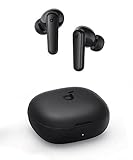
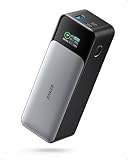
Setting up a dorm or first apartment around fast, free shipping
The other place the price gap actually matters is in the setup phase — the month or two where you're buying everything at once for a new space. Fast, free shipping stops being a nice-to-have and starts being the difference between having sheets on move-in night or sleeping on a bare mattress. A few of the highest-value, least-glamorous purchases for that window:


When regular Prime makes more sense
None of this is a universal "always sign up for the discount" recommendation, and it shouldn't be. A few situations where regular Prime, or just staying off the age-gated track entirely, is the smarter call:
- You're about to age out. If you're on the older edge of the eligible range, the hassle of a separate verified account, a new sign-in, and eventually a price jump back to standard might not be worth it for a short remaining window. Do the math on how many months of discount you'd actually get before deciding it's worth the setup.
- You already have free or discounted access another way. Amazon Household sharing can extend Prime benefits to people in the same household at no extra membership cost. If that's already covering you, a separate Young Adults membership may be redundant rather than additive.
- You can't verify eligibility. If your age or identity verification doesn't go through cleanly, or you're not confident you'd pass Amazon's current requirements, it's not worth repeated signup attempts. Regular Prime has no verification step at all.
- You value long-term price stability over a temporary discount. A discount that's guaranteed to disappear on a fixed timeline (when you age out) is a different value proposition than a price that simply stays whatever Amazon's standard rate is. If you'd rather not think about a future price change, that's a legitimate reason to just pay standard Prime pricing from the start.
The honest takeaway: Prime for Young Adults is a genuinely useful discount for the specific window it's built for, not a permanent hack or a loophole. Once you're not actually a young adult anymore — or once you're not sure you ever cleanly qualified — regular Prime is the straightforward, no-verification option, and there's nothing wrong with just choosing that from day one.
How to check eligibility and sign up
The only place to get a real, current answer on price, exact age cutoffs, and verification requirements is Amazon's own signup page for the program — not a blog post, including this one. Terms, pricing, and verification methods for age-based membership discounts change over time, so treat anything you read here as a starting orientation and confirm the live details before you enter payment information.
Is Prime for Young Adults the same as Prime Student?
No. Prime Student requires a valid school email address and active enrollment at an accredited college or university. Prime for Young Adults is based on age (roughly 18–24) rather than school enrollment, so it can apply to people who aren't currently in school, as long as they're in the eligible age range and can verify it. If you're both a student and in the eligible age window, check the current signup page to see which option applies to your situation, since eligibility rules can be updated.
How much does Prime for Young Adults cost compared to regular Prime?
The program has long been described as offering a meaningfully discounted rate relative to standard Prime — commonly framed as roughly half off. Exact pricing changes over time and isn't something to treat as fixed. Confirm the current price directly on Amazon's signup page before assuming a specific dollar figure.
Who qualifies for Prime for Young Adults?
Eligibility is generally built around being in a specific young-adult age range, roughly 18 to 24, combined with an age or identity verification step at signup. It doesn't require school enrollment. Because verification requirements can change, the most reliable way to know if you currently qualify is to start the signup flow and see what it asks you to confirm.
What happens to my membership price when I turn 25 (or age out)?
The discounted pricing is tied to being within the eligible age range. Once you're outside that range, the expectation is that your membership reverts to the standard Prime rate rather than continuing at the discounted price indefinitely. If the exact transition process or timing matters to you, check the current terms on the signup page, since that's the authoritative source rather than any third-party summary.
Do I get the same shipping speeds and perks with Prime for Young Adults?
Yes — the core Prime experience (fast free shipping on eligible items, Prime Video, Prime Music, Prime Reading, Prime Gaming) is the same regardless of which pricing track got you there. The discount affects what you're billed, not the underlying service tier you receive once you're a member.
Can I switch from Prime for Young Adults to regular Prime, or vice versa?
Membership plans and how switching between tracks works are managed through your Amazon account settings and are subject to whatever eligibility rules are active at the time. If you're unsure whether you currently qualify for the discounted track, or want to move off it, the signup and account management pages are the place to check — not a general assumption based on how the program used to work.