Most doormats are decoration. They're a rectangle of fabric with a cute phrase on it that sits by your door and does nothing to stop the actual problem, which is mud, grit, pollen, and dog paw prints migrating from your porch to your living room floor. A doormat's only job is mechanical: scrape debris off the bottom of a shoe and hold onto it until you shake it out. Most of them are terrible at this. A few of them are genuinely excellent. The difference has almost nothing to do with price and almost everything to do with material and placement — which is what nobody tells you at the store.
- Top pickBayka Floating Shelves (Set of 3)~$36 for set of 3
- Best budgetOXO Good Grips POP Container (3.4qt)~$16
- Worth the splurgeEufy RoboVac 11S Max~$200
This isn't a "best doormats" roundup padded with twelve nearly identical options. It's the short version: which materials actually scrape and trap, why one mat is never enough, and what to put around the mat so your entryway stops being the dirtiest room in the house.
The materials that actually trap dirt (and the ones that don't)
Every doormat on the market is built from one of four materials, and they are not interchangeable. Buying based on look instead of material is the single biggest doormat mistake people make.
- Coir (coconut fiber). The classic bristly brown mat. Coir is genuinely great at scraping dry dirt and sand off a shoe sole — the stiff fibers act like a hundred tiny brushes. It's mediocre in wet weather because coir absorbs water and stays damp for hours, which means it can smell musty and won't stop mud from tracking. Best use: covered porches, dry climates, or paired with a second mat (more on that below).
- Rubber-backed woven or looped mats. These use a synthetic loop pile (often polypropylene) bonded to a solid rubber backing. The rubber backing is what actually matters — it keeps water from soaking through to your floor, resists curling, and won't slide around on tile or hardwood. The loop pile scrapes reasonably well and holds a surprising amount of grit down in the fibers instead of leaving it on top where your foot just redistributes it.
- Waterhog / microfiber scraper mats. This is the category that actually earns the word "trap." Waterhog-style mats use a raised waffle or diamond pattern of dense polypropylene fiber that both scrapes shoe soles and channels water to a raised rubber border, which acts like a dam and holds up to a gallon and a half of water and mud per square yard before it overflows. If you have one mat budget and a genuinely muddy or snowy entrance, this is the category to spend it on.
- Flat woven or decorative mats with no texture. Thin, flat-woven cotton or jute mats, and anything advertised mainly on how cute the phrase is — these are the ones to skip if trapping dirt is the actual goal. No scraping texture, no absorption capacity, nowhere for debris to go except back onto your floor. Fine as a decorative interior accent layered over a real mat. Useless as your only line of defense.
The pattern: texture and depth trap dirt, flatness does not, and a rubber backing is what keeps water from becoming your floor's problem instead of the mat's.
Indoor vs. outdoor mats: they're not interchangeable
An outdoor mat and an indoor mat are solving two different problems, and using one where the other belongs is why people end up disappointed. Outdoor mats need to survive direct sun, rain, freeze-thaw cycles, and UV fading — that means synthetic fibers (polypropylene, rubber) rather than natural ones, because natural fibers like cotton and wool break down fast outside. Outdoor mats also need enough weight or a non-slip backing to stay put in wind, and enough drainage that they don't turn into a swamp after a storm.
Indoor mats have the opposite job: they need to be gentle enough not to scratch hardwood or stone flooring, low-profile enough that doors still swing over them, and soft enough that bare feet don't mind stepping on them first thing in the morning. A rubber-backed indoor mat with a low pile height under half an inch is the safe choice for interior floors — anything thicker traps a door on the swing, and anything with a harsh rubber compound can leave marks on finished wood over time.
The mistake to avoid: putting a coir mat directly on hardwood indoors. It sheds fibers, scratches finish over months of foot traffic, and doesn't have the flexible backing that protects flooring the way a proper indoor mat does. Coir belongs outside, on a porch, or over a doormat well — not on your entry hallway floor.
The two-mat system that actually solves this
Here's the part almost nobody tells you: one mat is never enough for a genuinely dirty entrance, because scraping and drying are two different jobs and no single material does both well. The two-mat system uses an aggressive outdoor scraper mat right at the threshold, and a second absorbent indoor mat just inside the door. By the time a shoe has crossed both, most of the loose debris has been scraped off outside and most of the residual moisture has been soaked up inside — instead of either problem landing on your floor.
This is also where the rest of your entryway earns its keep. A boot bench or a spot to sit down and actually remove shoes before walking further into the house does more for a clean floor than any mat alone. If you don't have a mudroom, a slim console with hooks and a floating shelf above the mat solves the same problem in a normal-sized entryway — shoes come off at the door, coats hang immediately, and nothing gets tracked past that first six feet of floor.

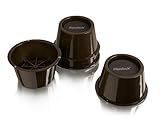
Mats and gear for pet owners and muddy households
If you have dogs, kids who play outside, or a yard that turns to mud every spring, the two-mat system needs backup. Paw prints are worse than shoe prints in one specific way: a dog can't wipe its own feet, so whatever's on its paws goes straight onto the mat and, eventually, your floor, on every single pass through the door. A dense waterhog-style mat with a deep pile is the right call here because it physically works the mud loose from a paw as the dog walks over it, rather than just sitting under the foot.
Two things make the biggest practical difference for muddy households, and neither is the mat itself. First, a robot vacuum that runs daily on the floors just past the entry catches the dust and dry debris that gets past even a good mat — the stuff too fine to scrape off but still enough to build up week over week. Second, somewhere to store rock salt or ice melt in winter without it turning into a soggy, clumped mess is genuinely underrated; a sealed, stackable container keeps it dry and scoopable instead of solid.

Cleaning and maintenance: the 5-minute habit that matters most
A trapped-dirt mat only works if the dirt actually leaves the mat eventually — otherwise you're just relocating the mess from your floor to a rectangle by your door, which fills up and stops trapping anything new. Outdoor scraper mats should be shaken out or hosed off weekly, more often during muddy seasons; most rubber-backed and waterhog mats can handle a direct hose spray and air-dry face down. Coir mats do best with a stiff broom or a shake-out rather than water, since they hold moisture.
Indoor mats need a vacuum pass a couple of times a week (the crevice attachment gets into the pile better than a regular pass), and an occasional actual wash — most rubber-backed indoor mats are fine hosed off outside or wiped down with a mild detergent solution, then air-dried flat so the backing doesn't warp. The single habit that extends a mat's life the most: don't let it stay wet. A damp mat left in a closed entryway grows mildew fast, which is the actual source of that musty "old doormat" smell everyone associates with cheap mats — it's not the material, it's moisture that never got a chance to dry.
When it's time to store a mat for the off-season — say, a heavy winter waterhog mat once spring arrives — compress it flat in a vacuum storage bag rather than leaving it folded in a closet where it holds a permanent crease and starts to smell.
The rest of your entryway: what actually helps
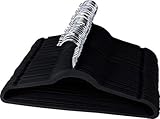
Once the mat system is handled, the two other entryway upgrades that make the biggest visible difference are lighting and a place to hang a coat before it drops on the floor next to the mat. A dim entryway makes it hard to see if the mat actually caught the mud, and it's the first and last thing you see every time you leave or come home — worth the five minutes it takes to add a lamp. A dedicated coat spot right by the door, with hangers that don't let things slide off, keeps outerwear from becoming one more thing that ends up on the floor near the mat instead of where it belongs.

Frequently asked questions
What material doormat actually traps the most dirt?
Waterhog-style mats — dense polypropylene fiber in a raised waffle or diamond pattern with a rubber border — scrape the most debris off a shoe sole and hold the most water before overflowing, up to about a gallon and a half per square yard. Coir is a close second for dry dirt and sand specifically, but it performs poorly with mud and moisture.
Should I use one doormat or two?
Two, if your entrance sees real mud, snow, or regular foot traffic. Put an aggressive outdoor scraper mat right at the threshold to knock off loose debris, then a second absorbent indoor mat just inside the door to catch residual moisture and fine grit. Splitting the job between two mats outperforms one mat trying to do both.
Can I put a coir mat inside on hardwood floors?
It's not the best choice. Coir sheds stiff fibers that can scratch a hardwood finish over months of foot traffic, and it lacks the flexible rubber backing that protects flooring. Coir works best outdoors on a porch or covered entry, with a proper rubber-backed indoor mat handling the interior side of the door.
How often should I clean a doormat?
Shake out or hose off an outdoor mat weekly, more often in muddy or snowy seasons. Vacuum an indoor mat a couple of times a week using a crevice attachment to get into the pile, and occasionally wipe it down or hose it off outside, then let it air-dry flat. A mat that stays damp is what causes the musty smell people blame on cheap materials — it's usually moisture, not the mat itself.
Do rubber-backed mats damage hardwood or tile floors?
Good ones don't. Look for mats with a natural rubber or PVC-free backing rated safe for finished floors — cheap rubber compounds can occasionally leave a discoloration mark on light-colored wood or vinyl over long periods, especially in direct sun through a window. Rotating or lifting the mat occasionally prevents this.
What's the best doormat setup for dog owners?
A deep-pile waterhog-style mat right outside the door, since the texture works mud loose from a paw rather than just sitting under it. Pair it with a daily robot vacuum pass on the floors just past the entry to catch the fine dust and dander that gets past even a good mat, and you'll notice a real difference within a week or two.
Why does my doormat smell musty even though I shake it out?
Almost always trapped moisture rather than dirty debris. Mats that sit in a covered, low-airflow entryway don't get a chance to fully dry between uses, and mildew starts growing in the fibers or backing. Letting a mat dry flat somewhere with airflow, or hosing it off and standing it up to dry instead of laying it flat, usually solves it.