The best audiobooks for dark winter evenings are warm, slow-burning, and narrated by someone you'd happily let talk for ten hours: cozy mysteries, gentle classics, and low-stakes novels with a big heart. Skip anything tense, loud, or plot-heavy, because the goal is to feel looked after, not wound up. If you've never tried this, a free Audible trial is the lowest-risk way to find out whether it fits your evenings.
Books on your commute
Audible's free trial gets you your first audiobook on the house — cancel anytime and keep it.
Start your free Audible trial →- Top pickThe Midnight LibrarySee price
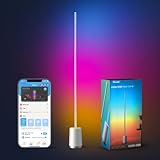
- Best budgetGovee Corner Floor Lamp RGB~$40
- Worth the splurgeBearaby Weighted Blanket~$199
Here's the thing about December at 4:45 p.m., when the sky has already given up. Scrolling doesn't comfort you. Television asks for your eyes. A book asks for your eyes and your good lighting. But a voice in the room, telling you a story while you do something with your hands or just lie there under a blanket, is a different category of warmth altogether. It's the oldest kind of evening there is. We've been doing it since before there were books.
What makes a book a comfort listen (and what doesn't)
Comfort listening is its own genre, and it has rules. After enough dark evenings of experimenting, ours are these.
The narrator matters more than the plot. On the page, a mediocre voice in your head is free. In your ears, a grating one is unbearable. You want warmth, an unhurried pace, and a voice that sounds like it's smiling a little. Always play the sample before you commit.
The stakes should be survivable. A gentle mystery where the murder happens off-page and the detective is mostly interested in tea is perfect. A thriller with a ticking clock is not, no matter how good it is. You can listen to that one in July.
You should be able to drift and come back. Evening listening is half-attention listening. You'll nod off, wash a pan, lose ten minutes. The best comfort books forgive that: episodic structure, a familiar cast, plots that don't collapse if you miss a paragraph.
It should be long enough to live in. A twelve-hour book gives you two weeks of evenings with the same company. That's the point.
Six kinds of audiobook that suit a dark evening
1. The gentle classic
Familiar stories are restful because you already know you're safe in them. Rosamund Pike narrates Jane Austen's Pride and Prejudice on Audible, and her dry, bright delivery of Austen's jokes is the kind of thing that makes a cold evening feel like a drawing room. Stephen Fry's reading of the complete Sherlock Holmes stories is another long-running favorite: episodic, atmospheric (fog, gaslight, a fire in the grate), and each story is short enough to finish in one sitting.
2. The cozy mystery
This is the sweet spot of the whole category. Richard Osman's The Thursday Murder Club, narrated by Lesley Manville, follows four retirees who investigate cold cases from a retirement village. It's funny, kind, and not remotely grim. A mystery you can solve alongside the characters without any dread is exactly what a long evening wants.
3. The big-hearted novel that asks "what if"
Matt Haig's The Midnight Library sits here. It's about regret and second chances and the small things that make a life worth keeping, and it's narrated by Carey Mulligan, whose quiet, unshowy delivery suits it well. It's also a good size for a first winter listen. It's the sort of book that makes you feel gently encouraged by the end, which is a better thing to carry into bed than most.
4. The comfort re-read, out loud
Rob Inglis's recording of The Hobbit is a classic of the form, and the book itself is practically a winter text: a warm hole in the ground, second breakfast, a long road, a dragon far away. If you want the most nostalgic option on the list, the Harry Potter audiobooks are the other obvious pick. The US editions are read by Jim Dale and the UK editions by Stephen Fry, and both versions have devoted fans. Pick whichever voice your ear prefers from the sample.
5. The food-and-place book
Memoirs about cooking, small towns, or a year in the countryside are underrated for the dark months. They give you a vicarious warm kitchen. Narration by the author, when the author can read well, adds a personal quality that fiction doesn't have.
6. The long series you can sink into
If you find a narrator and a world you love, a long series is a gift in January. You stop shopping around and start looking forward to the evening. This is also where a membership starts to make sense, because one title rarely lasts you through the whole season.
What to skip on a dark evening
This is the part most "best of" lists leave out, so here's our honest skip list.
- Anything tense or violent. Late-night listening plus a gripping thriller equals lying awake at 1 a.m. checking the locks. Save it for daylight.
- Dense nonfiction. Great on a walk, rough under a blanket. If your attention drifts, you lose the argument and feel bad about it.
- Fast, multi-voice productions with loud sound design. They're wonderful, but they're built to hold your attention, which is the opposite of winding down.
- Books with a lot of character names and timelines. Half-attention listening and sprawling casts don't mix.
- A narrator you tolerate. If the voice is merely fine in the sample, it'll be annoying by hour three. Move on without guilt.
Make the room do half the work
Listening is a physical experience in winter. A little setup turns "I'm playing an audiobook" into an actual ritual, and the ritual is what keeps you coming back on the nights you'd rather doomscroll. Three small upgrades earn their keep.
Warm, low light. Overhead lighting says "chores." A lamp in the corner says "settle in." A dimmable corner lamp lets you turn the room amber and leave the rest of the house dark.
Something heavy and warm on your lap. It's psychological as much as physical: weight and warmth tell your body the day is over. A weighted throw is a splurge, but it's the thing people tend to reach for night after night.
Something to do with your hands. Knitting, a jigsaw, folding laundry, a long slow stir at the stove. Audiobooks are at their best when your hands are quietly busy. It also helps if you tend to fall asleep, because you'll lose less of the story.
A small tip on the sleep question: if you want to fall asleep to a book, set your app's sleep timer before you start, and plan to rewind the next morning. Don't choose a book you're desperate to follow if you're going to doze off halfway through every chapter. Pick something you won't mind rediscovering.
Getting started without wasting a month
If you've never used Audible, the free trial is built for exactly this experiment. The practical approach is to decide what you want from the first week before you begin. Pick one title from the list above that matches your mood, play the sample to check the narrator, and give it three evenings. If the voice isn't working, switch early rather than slogging through.
Trial terms vary and change from time to time, so read the Audible page for what's currently included and how cancellation works before you start. We're not going to quote numbers we can't promise are current.
Our advice on the commitment question is simple. If three or four evenings in you're looking forward to the next one, you've found a habit worth keeping. If it's not for you, cancel before the trial ends and you've lost nothing but a few pleasant evenings. Either way, you'll have learned something about how you like to spend the dark months.
Frequently asked questions
What are the best audiobooks for winter evenings?
Gentle, warm, low-stakes stories read by a narrator you enjoy: cozy mysteries like The Thursday Murder Club, big-hearted novels like The Midnight Library, comforting classics like Pride and Prejudice or The Hobbit, and episodic collections like the Sherlock Holmes stories.
Can I fall asleep to an audiobook?
Plenty of people do. Choose a calm, familiar-feeling book, keep the volume low, and use your app's sleep timer so it stops by itself. Skip anything tense, and expect to rewind a little the next day.
Does the narrator really matter that much?
More than almost anything else. A great narrator can carry a so-so book, and a grating one can sink a great one. Always play the sample before you commit, and treat a voice you only tolerate as a reason to pick another title.
How do I try Audible for free?
Audible offers a free trial for new members through its membership page. The details, including what's included and how to cancel, can change, so check the Audible page for the current terms before you sign up.
Are cozy mysteries better than other genres for dark evenings?
They're a great default because the stakes are low, the cast is familiar, and you can drift in and out without losing the thread. Gentle classics and warm contemporary fiction work nearly as well.
What should I skip if I'm listening before bed?
Thrillers, horror, dense nonfiction, and loud multi-voice productions. They're built to hold your attention, which is the opposite of what you want when you're winding down.