Every pet store has a "new puppy checklist" taped to the register, and it is, without exception, padded. Fifty items, half of them impulse buys, engineered to get you to $300 before you leave the building. You do not need a puppy-sized bathrobe. You do not need six kinds of treats before you know what your dog even likes. What you need is a short list of things that solve real first-month problems: a place for the puppy to sleep that isn't your bed, a way to manage the accidents that are absolutely coming, food storage that keeps kibble fresh, and a den that actually feels calm instead of like a wire cage in the middle of your living room. This is that list — what we'd actually buy again, and what we'd skip.
- Top pickNICETOWN Blackout Curtains (2-Pack)~$25
- Best budgetKONG Classic Dog Toy~$10
The crate is the whole ballgame — here's what to actually buy
If you take one thing from this article: buy the crate before the puppy comes home, not after the first accident on your rug. A crate is not a punishment box, it's a den, and a puppy who's crate trained early sleeps through the night faster, house-trains faster, and travels better for the rest of their life. There's no single verified affiliate link we can vouch for here, so we'll just tell you the real ones people actually buy.
MidWest iCrate is the default answer for a reason — it's the wire crate with the divider panel that lets you size it up as your puppy grows, which matters because you should be buying an adult-sized crate now and blocking off the extra space, not buying three crates over a year. Frisco Fold & Carry Double Door Crate (Chewy's house brand) is a close second and often a few dollars cheaper with similar build quality. If budget isn't the constraint and you want something that doesn't look like a wire cage in your living room, Diggs Revol is the upgrade — rounded edges, a solid tray, and a design that actually works as furniture. Buy the crate sized for your dog's adult weight, use the divider, and don't skip this step.
The den that makes the crate actually work
A crate in a bright, loud room is just a cage. A crate in a corner that's dim, quiet, and consistent is a den — and that distinction is the difference between a puppy who settles in twenty minutes and one who howls for two hours. This is the one piece of "extra" gear in this whole list that actually earns its keep.
Pair the darkened den with a stuffed KONG Classic and you've built the single most effective crate-training combination that exists. The chewing and licking is genuinely calming — it's not just a distraction, it's a physiological down-regulation for an anxious puppy — and a frozen KONG buys you 20–40 minutes of quiet the first few times you leave the room.
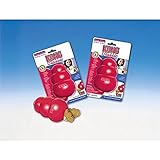
For chewing beyond the KONG — and puppies chew constantly, it's not optional — Nylabone Puppy Chew toys and West Paw Zogoflex Puppy Tux are the two we'd point you to. Both are made specifically for developing puppy teeth and gums (regular Nylabones and adult chew toys can be too hard and actually damage baby teeth), and both hold up to the kind of destructive testing an 11-week-old puppy will put them through.
Accidents are coming — plan for them, don't panic about them
Nobody house-trains a puppy without a mess. The question is whether you've set yourself up to handle it calmly or whether you're improvising with paper towels at 2 a.m. Puppy pads get a bad reputation because people use them wrong — as a permanent bathroom instead of a transition tool — but for the first few weeks, especially in apartments or during winter, they're genuinely useful. Four Paws Wee-Wee Pads and Hartz Home Protection Pads are the two reliable, absorbent options that don't leak through onto your floor, which is the actual failure mode you're trying to avoid. Use them near the door you'll eventually be taking your puppy out of, not in a random corner, so the pad reinforces the habit you actually want.
Where this list of ASIN-less recommendations turns into actual gear you can buy: once you've got a stash of pads, a spare crate liner, and puppy food bags open, you need somewhere for all of it that isn't a pile on the kitchen floor.
Storage that actually solves a first-month problem
The stuff nobody puts on the pet-store checklist is the organizational stuff, and it's the stuff that actually makes month one less chaotic. You will have puppy food, a bag of treats, flea/tick preventative, a nail clipper, ear cleaner, a brush, and whatever the vet sent you home with, and all of it needs a home or it ends up in a junk drawer you can't find anything in.
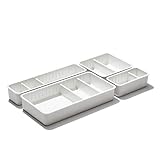

For food itself: Purina Pro Plan Puppy, Royal Canin Size Health Nutrition Puppy, and Hill's Science Diet Puppy are the three most commonly recommended by vets for a reason — they've done the large-breed-growth-rate and calcium-ratio homework that a lot of boutique puppy foods haven't. Whichever you pick, that OXO container is what keeps it fresh once the bag's open, and it looks a lot better on a counter than the bag itself.
If you're the type who likes everything behind a lock — genuinely useful if you have older kids who "help" by leaving cabinets open, or you're storing anything you don't want a curious puppy nosing into — a small combination lock on a supply bin works better than you'd think.
Grooming and vet-trip basics
Puppies need baths less often than people think — overbathing dries out their skin — but when you do bathe, use something actually formulated for puppies. Earthbath Puppy Shampoo and Burt's Bees for Pets Puppy Shampoo are both tear-free, mild, and won't strip the natural oils a puppy's skin needs while it's still developing. Keep the bottle, a soft brush, and nail clippers together — not scattered between the bathroom and the garage — and vet visits and grooming days stop being a scavenger hunt.
Leashes, harnesses, and ID — the safety non-negotiables
This is the category where cheap actually costs you. A puppy who slips a collar in a parking lot is a genuine emergency, and it happens more than people expect because puppy necks are narrow and collars loosen. Ruffwear Front Range Harness is the one we'd point most new owners to — it distributes pressure across the chest instead of the neck, which matters for a puppy who's still learning not to pull, and it comes in a range small enough for actual puppy sizes rather than just "small dog." PetSafe 3-in-1 Harness is the budget-friendlier version that still does the job. Pair either with a standard 6-foot leash — skip the retractable ones entirely for a puppy who hasn't learned leash manners yet, they teach pulling, not walking.
For ID: get your puppy microchipped at the first vet visit, full stop, but also put a physical tag on the collar the day you bring them home, because a microchip only helps if whoever finds your dog thinks to scan for one. GoTags and Boomerang Tags both make silent, engraved tags that don't jingle all night and won't wear illegible in six months the way the machine-stamped ones from the pet store kiosk do.
What to skip
The padded checklist earns its reputation honestly, so here's what we'd leave at the store. Puppy-sized clothing and costumes — cute for a photo, useless otherwise, and most puppies hate the restriction. A puppy playpen in addition to a crate, unless you have a very specific space constraint — it's redundant gear doing the same job as the crate, at a second price tag. Bowls with "slow feeder" designs before you've confirmed your puppy actually eats too fast — most don't need it, and the maze designs are a pain to clean. Scented, dyed puppy pads — the fragrance is more likely to irritate a puppy's nose and skin than help with odor, and unscented, plain white pads work exactly as well. And skip any "training in a box" electronic device — bark collars, ultrasonic correction tools, anything that claims to train a puppy without you doing the actual, repetitive work of consistent house-training and crate conditioning. None of them work as advertised, and several are outright unsafe for a dog this young.
FAQs
What size crate should I buy for a puppy?
Buy the crate sized for your dog's expected adult weight, not their current puppy size — most wire crates like the MidWest iCrate come with a divider panel specifically so you can block off extra space while they're small and expand it as they grow. Buying a "puppy-sized" crate now means buying a second, bigger crate in six months, which is money you don't need to spend twice.
How long can I leave a puppy in a crate?
The general rule is their age in months plus one, in hours, up to a max of about 4–5 hours for a young puppy — so an 8-week-old puppy shouldn't be crated much longer than 2–3 hours at a stretch during the day. Overnight is different once they're sleeping through, since they're not actively needing a bathroom break the same way. Always pair crate time with a stuffed KONG and a properly darkened den setup so it's restful rather than just confinement.
Do I really need puppy pads if I'm planning to potty train outside?
Not always, but they're genuinely useful in the first few weeks — especially overnight, in apartments with no easy yard access, or during bad weather when you can't get outside every 90 minutes like a young puppy needs. Place them near the exit door you'll eventually use, not in a random corner of the house, so they reinforce rather than compete with the habit you're building.
What food should I actually feed my new puppy?
Stick to a food formulated specifically for puppies (not all-life-stages) from a brand that's done AAFCO growth-stage testing — Purina Pro Plan Puppy, Royal Canin Puppy formulas, and Hill's Science Diet Puppy are the three most commonly recommended by vets. If you have a large-breed puppy, use the large-breed puppy formula specifically — the calcium and phosphorus ratios are different and matter for joint development. Whatever your breeder or shelter was feeding, transition slowly over 7–10 days rather than switching cold.
Is a harness or a collar better for a new puppy?
For walking, a harness — something like the Ruffwear Front Range — is safer for a puppy who hasn't learned leash manners yet, since it distributes pressure across the chest instead of the neck and can't slip off as easily as a loose collar on a still-narrow puppy neck. Keep a flat collar on at home with an ID tag attached at all times, even with a microchip, since a tag is what a stranger actually sees first if your puppy gets loose.
How often should I bathe a puppy?
Roughly once every 4–6 weeks unless they get into something messy, using a shampoo formulated specifically for puppies like Earthbath or Burt's Bees for Pets. Bathing more often than that can dry out their skin and strip the natural oils they need while their coat is still developing. Brushing regularly between baths does more for coat health than extra washing does.
What's the single most important purchase for a new puppy?
The crate, without much competition. Everything else on this list — the KONG, the blackout curtains, the pads, the storage — either supports the crate-training process or solves a problem that crate training helps prevent in the first place. A puppy who's comfortable and calm in a crate house-trains faster, travels better, and gives you a safe place to put them down when you genuinely need both hands for something else.