Somewhere along the way, "practical" became a synonym for "lazy." You say the word out loud in a gift conversation — "I was thinking of getting her something practical" — and someone's face does the thing. The slight wince. The mental image of a gift receipt tucked under the wrapping paper, just in case. Practical gifts have a reputation problem, and it's not entirely undeserved, because most of them are boring. But that's a failure of selection, not a failure of the category. A genuinely well-chosen practical gift — something the person will touch, use, and appreciate almost every single day — usually reads as more thoughtful than a candle or a novelty mug, not less. This is the case for practical gifts, done right, plus eight specific ones worth considering.
- Top pickStanley Quencher 40oz Tumbler~$45
- Best budgetAnker Cable Management Box~$26
- Worth the splurgeBearaby Weighted Blanket~$199
Why "practical" gets a bad name
The problem was never the concept. It's the execution. A generic practical gift says "I ran out of time and grabbed something off an end cap at Target." A specific practical gift says "I paid attention to your life." The difference between the two is almost never the price — it's the specificity and the quality. A $12 phone charger from a gas station rack is a boring practical gift. A genuinely great battery pack that solves the exact problem of "my phone always dies at 4pm" is a thoughtful one. Same category, wildly different reception.
There's also a quiet assumption that "practical" and "delightful" can't coexist — that useful things have to look and feel utilitarian, like a roll of paper towels. That's just not true anymore. Plenty of everyday objects are now genuinely well-designed, satisfying to use, and nice to look at. The trick is knowing which ones, and picking the version that clears the bar instead of the cheapest one that technically does the job.
The real test: thoughtful vs. boring, side by side
Before getting into specific picks, it helps to have a filter. Ask these four questions about any gift you're considering:
- Does it solve a problem this specific person actually has? Not "people in general," but this person, in their actual life. A cable organizer for someone whose desk looks like a plate of spaghetti. Noise-canceling earbuds for someone who complains about their open-plan office.
- Is it a noticeable step up from what they'd buy for themselves? Nobody gets excited about receiving the exact mid-tier item they'd have picked up anyway. The gift version should be the one they'd hesitate to buy themselves — slightly nicer, slightly more expensive, slightly more "worth it."
- Will they actually use it in the next seven days? Good practical gifts get used almost immediately. If it's the kind of thing that gets set on a shelf "for later," it's not the right pick, no matter how useful it is in theory.
- Did you have to think about it, even a little? Fifteen seconds of thought is the whole difference. "She's always cold" or "he's constantly losing his earbuds" is a fifteen-second observation that turns a boring category into a specific, correct gift.
A gift that clears all four of those tests barely registers as "practical" to the person receiving it. It just registers as right.
For the person who's always cooking (or wishes they cooked more)
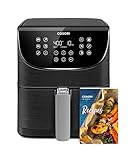
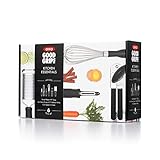
Kitchen gifts are some of the easiest wins in the practical category, because kitchens are used every day and bad kitchen tools are a genuine daily annoyance. The key is picking something that removes a chore rather than adding a gadget that needs its own drawer. An air fryer clears that bar easily at this point — it's not a novelty appliance anymore, it's closer to a second oven that people reach for constantly because it's faster and produces better results for weeknight cooking. Give this to the friend who's always ordering takeout because cooking "takes too long," and watch that habit quietly change.
For the person permanently attached to their phone
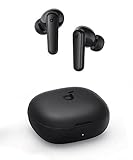
Tech gifts have the same trap as kitchen gifts: it's easy to buy something that looks impressive in a photo and gets used exactly twice. The winners in this category solve one specific, recurring annoyance really well instead of trying to do everything. Decent wireless earbuds are one of the highest-use-per-dollar gifts you can give anyone who commutes, works out, or works in a loud office — small enough to not feel like "a gadget," useful enough to get grabbed every single morning.
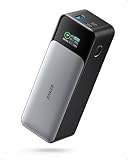
The other reliable tech win is a portable battery pack — specifically, a good one. Nearly everyone has had the experience of their phone dying at exactly the wrong moment, and nearly everyone owns a cheap battery pack that charges too slowly or dies itself after six months. A genuinely fast, high-capacity charger fixes a problem that shows up weekly, sometimes daily, which is exactly the kind of frequency that makes a practical gift land.
For the person whose space is quietly driving them crazy
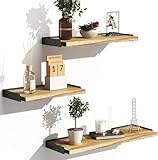
Home organization gifts are underrated because the payoff is invisible until you've lived with the problem. Nobody complains loudly about tangled cables behind their desk or a bare wall with nowhere to put things — they just live with a low hum of mild chaos. A gift that removes that hum without being asked for is one of the more surprising ways to land a genuinely thoughtful practical present, because the person often didn't realize how much better their space could look and feel until it happened.
For the person who deserves an upgrade they wouldn't buy themselves
This is the category where the "would they hesitate to buy it themselves" test really earns its keep. A weighted blanket is a good example — plenty of people have heard weighted blankets help with sleep and anxiety, and plenty of people have also never gotten around to actually buying one, because $150–200 for a blanket feels indulgent when you're the one paying. As a gift, that hesitation disappears, and what's left is just genuine daily comfort.
The same logic applies to tools. Almost every household eventually needs a screwdriver, a set of pliers, a level, or a hammer for something small — hanging a shelf, fixing a wobbly chair, assembling furniture — and almost every household is working with a mismatched drawer of borrowed and broken tools instead of one that actually works. A solid, complete tool set is the rare gift that gets opened, used within the week, and then used again every few months for the next decade.
How to make a practical gift feel personal, not generic
The products matter, but presentation and framing do real work here too. A few small moves turn "useful item" into "gift that landed":
- Name the specific problem it solves in the card. "For the phone that's always at 2% by 4pm" reads completely differently than a generic "hope you like it!" It proves you were paying attention.
- Skip the gift receipt energy. Actually wrap it, even if it's an appliance box. The five extra minutes signal that this wasn't a last-minute grab.
- Pair it with one small non-practical thing. A $12 bag of good coffee next to the air fryer, a phone stand next to the earbuds. It doesn't have to be expensive — it just has to say the practical gift wasn't the whole thought, it was the good part of the thought.
- Buy the version one step up from what they already have. If they own a $15 phone charger, don't give them another $15 phone charger. Give them the one that's noticeably better, so the upgrade is obvious the first time they use it.
None of this requires spending more money — it just requires spending a little more attention. That's ultimately the whole argument for practical gifts: they're not a lower-effort category, they just look like one when they're done wrong. Done right, they're arguably higher-effort, because you actually have to know something true about the person you're buying for.
Frequently asked questions
Are practical gifts actually a good idea, or do people secretly want something more sentimental?
Both, depending on the relationship — but a well-chosen practical gift can carry just as much sentiment as a "sentimental" one, because the selection itself proves you were paying attention to the person's actual daily life. The gifts people remember fondly for years are usually the ones they used constantly, not the ones that sat on a shelf looking meaningful.
What's the biggest mistake people make with practical gifts?
Buying the generic, mid-tier version of something instead of a specific, above-average one. A basic phone charger or a plain umbrella reads as an afterthought. The same category, picked with a specific person and a noticeable quality upgrade in mind, reads as thoughtful.
How do I know if a gift is "too practical" and will feel impersonal?
Run it through the specificity test: could you give this exact item to five random people on your gift list and it would work equally well for all of them? If yes, it's too generic. If it only makes sense for this one person because of something you know about their life, it's in good shape.
Should I mix practical gifts with something purely fun or sentimental?
It's a nice move but not a requirement. Pairing a practical item with one small, non-practical extra — good coffee, a favorite snack, a handwritten note explaining why you picked it — softens the "useful" framing without costing much extra or diluting the main gift.
What's a good budget range for a practical gift that still feels substantial?
Somewhere in the $25–$100 range tends to hit the sweet spot for most non-major-holiday occasions — enough to clearly be an upgrade over what someone would buy for themselves, without venturing into "this feels like too much" territory. Items like a cable management box or a floating shelf set sit at the lower end; something like a weighted blanket or a good power bank sits higher.
Do practical gifts work for people who already "have everything"?
Often better than novelty gifts do. People who already have everything tend to have decent versions of most things, not great ones — which means an upgraded version of something they already own (better earbuds, a better tool set, a better charger) still lands, because it replaces something mediocre rather than duplicating something they don't need.