Affiliate disclosure: Alex Likes It earns a small commission on purchases made through links on this page — at no extra cost to you. We only recommend things we'd genuinely buy. Full disclosure · How we pick
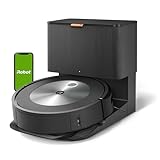
- Top pickiRobot Roomba j7+ Self-Emptying Robot Vacuum~$550
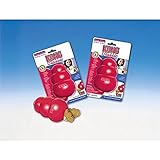
- Best budgetKONG Classic Dog Toy~$13
If you share your home with a dog or a cat, you already know that vacuuming is not an optional chore — it is a weekly act of survival. Pet hair finds its way into your couch cushions, your HVAC filter, your socks, and somehow the inside of your refrigerator. A regular vacuum that was not built for this is like trying to bail out a boat with a teaspoon. This guide covers what actually works: which type of vacuum fits your home, which specific models we'd buy, and what separates a truly pet-hair-capable machine from a very expensive disappointment.
Upright vs. canister vs. robot: which type is right for you?
Let's clear this up before you spend a dollar, because the type matters more than the brand. Each format has a real use case, and the "best pet hair vacuum" looks completely different depending on your floors and lifestyle.
Upright vacuums are the workhorses. Big motor, wide brush roll, designed to deep-clean wall-to-wall carpet where pet hair embeds itself into the fibers. If you have a lot of carpet and a heavily shedding dog, an upright is your primary weapon. The downside: they're heavy and less maneuverable in tight spaces.
Canister vacuums are the flexible option. The motor lives in the canister (which you drag), and you use a wand with a floor head — you can switch to a bare-floor tool, an upholstery brush, or a crevice tool without stopping. If you have hardwood floors or a mix of surfaces, a canister is dramatically more versatile than an upright. Pet hair on hardwood is actually easier to deal with than pet hair in carpet, so this is often the right call for urban apartments.
Robot vacuums don't replace either of the above. What they do is prevent the pile-up. Run one daily and the pet hair never accumulates enough to become a crisis. The ones built for pet owners have rubber brush rolls that don't tangle with hair the way bristle brushes do. A robot + a once-a-week upright or canister pass is the gold-standard combination for serious pet owners.
If you can only have one: upright for a house with carpet, canister for an apartment with mixed floors, robot only if you have another full-size vacuum to back it up.
What to look for in a pet vacuum (besides suction)
Suction power matters, but it's table stakes. Here's what actually separates a vacuum that handles pet hair from one that just moves it around:
- Rubber brush rolls over bristle. Bristle brush rolls and pet hair are mortal enemies — the hair tangles around the bristles and creates a felt-wrapped cylinder you have to cut out every third use. Rubber fins flick the hair up into the suction path and don't tangle. Non-negotiable feature if you have a long-haired dog or cat.
- Sealed HEPA filtration. Pet hair is one issue. Pet dander is another. Dander particles are tiny and will pass right through a standard filter, get blown out the exhaust, and float back into the room. HEPA filtration captures 99.97% of particles down to 0.3 microns. Look for "sealed HEPA" — the seal is as important as the filter, because unseal gaps let air bypass the filter entirely.
- Large bin or bag capacity. Pet homes generate a lot of debris. A 0.3-liter dust cup gets disgusting after one room. You want at least 0.8 liters, ideally over a liter, so you're emptying it once per session instead of three times per room.
- Upholstery tools that ship in the box. Pet hair on your couch, your car seats, your bed — you need a specific tool for this. Many vacuums "support" an upholstery attachment but charge extra for it. The models below include them.
Best upright for carpet: the Shark APEX
Shark makes the best midrange pet vacuums, and the APEX line is where the brand earns its reputation. The APEX DuoClean uses a dual brush roll system — a soft roller that pulls fine debris off hard floors at the front, and a bristle/rubber combination roll that deep-cleans carpet fibers. The Anti-Hair Wrap technology on the brush roll actually prevents most tangling (not perfect, but dramatically better than standard bristles). It has a full lifetime HEPA filter, a zero-M self-cleaning brush roll, and Shark's lift-away canister mode, which turns the upright into something closer to a canister for furniture and stairs.
It's $270 and it does not go on sale as often as you'd hope. But it's one of the few uprights where the "pet version" isn't just a marketing badge on a regular vacuum — the engineering is genuinely different.
Best robot vacuum for pet owners: Roomba j7+
The Roomba j7+ is the only robot vacuum that iRobot guarantees will not run over solid pet waste — they call it PetOwner Official Promise, and they back it with a replacement guarantee. The AI object detection actually works in real life, not just in demos. It maps your home, learns room names, avoids cables and socks, and the self-emptying base means you're emptying the tower base every 60 days instead of the dustbin after every run.
For pet owners specifically: it uses rubber brush rolls, not bristles. The combination of that and the strong 10x suction (versus standard Roomba) means it handles pet hair on both hard floors and low-pile carpet without wrapping into a tangled mess. This is the robot to get if you have pets.
Budget pick that still works: Eufy RoboVac 11S Max
The Eufy 11S Max is the robot vacuum for people who want something that actually runs without spending $500+. It doesn't map, it doesn't self-empty, and it can't be directed to a specific room. What it does: 2000Pa suction in a 2.85-inch body that slides under almost any furniture, a triple-layer filter system, and 100 minutes of run time. For a one-bedroom or two-bedroom apartment with hard floors or low-pile carpet and one or two pets, this is all you need. Run it daily while you're at work. Empty the bin when you get home. Your floors will stay meaningfully cleaner.
For the couch, car, and stairs: a dedicated pet hair tool
Pet hair on upholstery is a different problem from pet hair on floors, and your regular vacuum often handles it badly — the floor head is the wrong shape and the suction is too aggressive for fabric. The KONG Classic rubber dog toy doesn't solve this, but here's the thing about pet hair on fabric: a rubber-bristle attachment with the right suction path makes a bigger difference than the vacuum brand it's connected to.
The better move for upholstery is also keeping your dog mentally occupied so they wear themselves out before they spend the evening redistributing their coat across your sofa. The KONG Classic is the best-documented tool for this — fill it with peanut butter or kibble, freeze it, and a dog that might otherwise park on your couch is busy for 30 minutes. It's a stretch to call it a "pet hair vacuum accessory," but reducing the amount of time your dog lies on the couch absolutely reduces the amount of hair on the couch. We're including it.
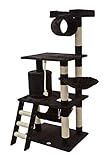
For cats, keeping them off the furniture they're determined to sleep on requires either a designated cat space they actually prefer, or acceptance and good vacuum game. The Go Pet Club 62" cat tree gives cats vertical territory, a scratching post, and multiple perch options — most cats will choose it over the couch given the right placement. Less fur on the furniture means your vacuum handles a smaller surface area, which extends the life of the motor and the filter.
Accessories and habits that multiply your vacuum's performance
The vacuum is one piece of the system. The rest:
- Rubber gloves on furniture. Dampen a latex glove and run it across upholstery before you vacuum. The rubber creates static that balls pet hair up into clumps you can pick up by hand. Way faster than trying to vacuum it all up.
- Wash your filters more often than you think. A clogged HEPA filter drops suction by 30–40%. Most manufacturers say to replace every 12 months. For pet owners, every 6 months is more realistic. Check your filter monthly.
- Brush your pet regularly. This is the most boring advice and also the most effective. A deshedding brush used twice a week captures hair before it ends up on your floors. Less hair shedding = less vacuuming. The math is simple.
- Use curtains that don't collect hair. Thick velvet curtains are pet hair magnets. Blackout curtains in smooth woven fabric — like the NICETOWN blackout panels — repel hair and wipe clean, so you're not adding curtain-cleaning to the list every month.
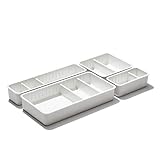
And for storage organization: if you're storing pet supplies — extra food bags, grooming tools, leashes, medications — the velvet hangers you use for closet organization also dramatically reduce the drawer-chaos in pet supply areas when combined with modular bins. Treat pet gear like any other category that needs a home.
Frequently asked questions
What's the best vacuum for pet hair on hardwood floors?
A canister vacuum with a bare-floor tool, or a robot vacuum with rubber brush rolls (not bristles). On hard floors, the key is not scattering the hair before you can capture it — soft rollers and rubber fins do this better than aggressive bristle brushes, which blow light debris around before the suction can grab it.
Do robot vacuums actually help with pet hair?
Yes, but they work as maintenance tools, not deep-cleaning tools. Run one daily and the hair never accumulates into a visible problem. You'll still want a full-size vacuum for a thorough once-a-week pass, especially on carpet. The combination of both is the best setup for a home with heavy shedders.
Why does my vacuum leave pet hair behind even on high suction?
Usually one of three things: a clogged filter reducing actual suction, a tangled brush roll that's not rotating freely, or a mismatch between your floor head and the surface. Check the brush roll for hair wrap first (the most common culprit), then clean or replace the filter, then make sure you're using the right attachment for the surface.
Is HEPA filtration actually important for pet owners?
Yes, especially if anyone in the household has allergies or asthma. Pet dander — not just hair — is a major allergen and is small enough to pass through standard filters. Sealed HEPA captures 99.97% of particles at 0.3 microns. The "sealed" part matters as much as the HEPA filter itself — gaps in the seal let air bypass the filter entirely.
How often should I replace vacuum filters if I have pets?
Most manufacturers say annually. For pet owners, every 6 months is more realistic for washable filters, and check monthly. A visibly gray or clogged filter is dropping your suction by 30–40% and blowing particles back into the air. Some filters are washable (rinse and air-dry 24 hours), others need replacing — check your model's manual.
Can I use a robot vacuum as my only vacuum if I have a dog?
On hard floors in a smaller space with a light-to-moderate shedder: maybe, with daily runs. On carpet, or with a heavy shedder, or in a larger home: no. Robot vacuums can't deep-clean carpet fibers the way a full-size upright can. Use the robot for daily maintenance and a full-size for weekly deep cleaning.