Affiliate disclosure: This page contains affiliate links. You pay the same price; we earn a small commission. Full disclosure →
A passport holder is one of those items that most people treat as an afterthought — buy the cheapest one at the airport gift shop, stuff the passport in, done. That's fine until your passport gets demagnetized, skimmed by an RFID reader in a crowded transit hub, or soaked through in a sudden rainstorm the day before your connecting flight. Good ones prevent all three scenarios. Here's what actually matters and which ones are worth your money.
What cheap passport holders get wrong
The $5 nylon sleeve from the airport gift shop solves exactly one problem: keeping your passport from getting scratched. That's it. What it doesn't do:
- No RFID blocking. Modern passports issued after 2007 contain an embedded chip. That chip can be read wirelessly at short range. Most people aren't being actively skimmed, but in dense environments — European train stations, airport customs queues, crowded markets — the theoretical risk is real enough that RFID blocking is worth having for free if it's included.
- No water resistance. Passports are paper inside a cardstock cover. Sweat, rain, a spilled water bottle — any of these can wrinkle or damage pages in ways that cause delays at border crossings. Some agents reject damaged passports outright.
- No card organization. You travel with more than a passport. Boarding pass, credit card, transit card, hotel key card — stuffing all of these into a passport means bent cards and a fumbling mess at every checkpoint.
- Wrong size. Cheap holders are often cut slightly small for US passports, especially newer ones (the 2021 redesign is slightly thicker). The passport gets crammed in and the cover starts to bend.
Good passport holders solve all of these problems. The best ones cost $15–40 and last years. Here's the breakdown by material and feature set.
RFID blocking: do you actually need it?
The honest answer is: probably not, but it costs nothing extra in most good holders, so why not have it. The chip in a modern e-passport (the ones with the gold camera symbol on the front cover) broadcasts your stored biometric data — the same data printed on the photo page. A scanner needs to be within a few centimeters to read it. Passport control booths are set up to do exactly this, intentionally. Random scanners in crowds would need to get essentially touching-distance to your holder.
That said, RFID blocking is a standard feature in every decent passport holder made in the last five years, it adds no weight, and if you're going somewhere with a notably active pickpocket and skimming scene — Barcelona's Las Ramblas, for instance, or the Rome metro — it's a feature you'll be glad is there. Consider it a baseline checkbox, not a selling point on its own.
What RFID blocking cannot do: It cannot protect your passport from being physically stolen. A thief who grabs your holder has your passport. This is the actual threat model in most travel scenarios. Keep your holder in a front pocket, an inner jacket pocket, or a bag that stays on your front — not a back pocket or an outer bag pocket.
Leather vs. nylon: the real comparison
This is where most buying guides get lazy and just say "leather looks nicer." That's true and it's also not the whole story.
Leather passport holders: Genuine leather softens and conforms to your passport over time. It develops a patina. It's a better gift and it photographs well. The downsides are real: it can crack in dry climates, it's not waterproof (water stains it, sweat can damage it over time), and it adds noticeable weight and bulk compared to nylon. Price range: $25–80. Lifespan with care: many years, potentially a decade. Budget leather (bonded or PU) is worse than good nylon — avoid it.
Nylon passport holders: Ripstop or ballistic nylon is lighter, more water-resistant, compresses better in a bag, and survives being stuffed into a carry-on without complaint. It doesn't look as impressive when you pull it out, but it's genuinely better for the physical demands of travel. Good nylon holders from brands like Bagsmart cost $20–30 and last for years. They also dry out if they get wet, which leather does not.
Our verdict: For everyday travel and frequent fliers, nylon wins on function. For gifting, long-haul international travel where you want to make an impression, or if you're just the kind of person who appreciates patina — leather is worth the extra spend. Just buy genuine leather, not PU or bonded.
The picks: what's worth buying
Six picks across price points and use cases. All have RFID blocking. All fit a standard US passport plus at least two cards.

The Bagsmart is the default recommendation for most travelers. It's not glamorous, but it does everything right: RFID blocking confirmed, water-resistant exterior, the card slots are actually sized correctly, and the boarding pass window is large enough that you don't have to take the boarding pass out at security. The nylon holds up to real travel abuse and the price is low enough that replacing it after a few years of hard use doesn't sting.

Not a passport holder itself, but directly relevant: if you keep your passport in a bag pocket (backpack, tote, carry-on), a TSA lock on that zipper is the difference between a frustrated would-be thief and a bad travel day. The Master Lock TSA is the standard recommendation — lightweight, resettable, recognized by TSA internationally under the Travel Sentry standard.
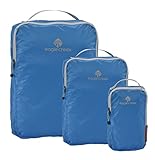
Pack-It Cubes aren't a passport holder, but they're the organizational system that actually makes passport retrieval stress-free. The move: one small cube for documents (passport holder, travel insurance card, hotel confirmations), stashed on top of everything else in your carry-on. You get to the border, pull the cube, find everything immediately, pass through. No digging.
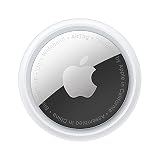
Putting an AirTag in your passport holder is genuinely useful. Passports get left in hotel rooms, on planes, at border checkpoints. An AirTag in the holder means a lost passport is a findable passport. The Find My network is dense enough in most international cities to get a precise location within minutes. At $25 per AirTag in the 4-pack, it's worth it — you'll use the other three for your luggage, keys, and laptop bag anyway.
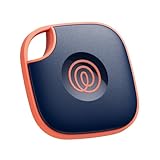
If you're on Android or want something cheaper than an AirTag, the Tile Mate works. The network isn't as large as Find My, which limits usefulness in less-populated areas, but in airports and cities it does the job. The replaceable battery is an advantage over the AirTag's non-replaceable setup if you're thinking long-term.

A slightly sideways recommendation with a real rationale: the number one reason passport holders get damaged isn't theft or RFID skimming — it's a leaking toiletry bag sharing a carry-on with your documents. Separate your liquids (which you should be doing for TSA anyway) and your passport never sits next to a leaking shampoo bottle. These TSA bottles are also the right size for the quart bag requirement.
How to actually carry your passport through a trip
The holder matters less than the system. Here's the one that actually works:
- In-flight: Passport in your carry-on bag's inside zip pocket, not your back pocket. You won't need it again until you land.
- At border crossings: Pull the holder out completely, hand it over, take it back. Don't leave it on the counter while you repack your bag.
- During the trip: Unless you need it (some hotels and car rental companies need to see it), your passport should be in the hotel safe or locked in your bag. Carry a photo of your passport page on your phone as backup ID for most situations.
- In the city: A front pants pocket or an inner jacket pocket. Not a backpack outside pocket. Not a back pants pocket. Front, inside, always.
- Money belt as last resort: Money belts work but they're uncomfortable enough that people stop using them. A good holder in the right location is more sustainable as a daily habit.
What to do when something goes wrong
Even the best passport holder doesn't protect against all scenarios. Know these before you travel:
Lost or stolen passport abroad: Go to the nearest US embassy or consulate immediately. Bring your passport photo (you should have one digital copy stored in a secure cloud folder, accessible without cell service), your driver's license or other ID, and a police report if theft was involved. Emergency passports take 1–3 business days. Your travel insurance (you have travel insurance, right?) may cover emergency document fees.
Damaged passport: A passport that's been soaked, has significant page damage, or has a photo that's no longer recognizable may be flagged at border control. Replace it before travel if in doubt — the fee is $130 for a standard passport renewal and a known good document is worth far more than that in avoided headaches at 2am in an unfamiliar airport.
RFID concern after the fact: If you've been traveling with an unshielded holder and you're worried about data exposure — your passport data is the same as what's printed on the photo page. It's sensitive but not secret. Change your PIN numbers if you're worried, check your credit reports, and upgrade to an RFID-blocking holder for future travel. The actual risk of actionable harm from passport chip scanning is very low.
Does RFID blocking actually work in passport holders?
Yes, when implemented correctly — which means a metallic shielding layer embedded in the holder material. Legitimate RFID-blocking holders use aluminum or carbon fiber mesh laminated inside the fabric or leather. Cheap ones sometimes just claim RFID blocking without any actual shielding. Test: put your credit card in the holder and try to tap it at a contactless reader. If it doesn't read, the blocking works. The Bagsmart and most holders from established travel brands test consistently positive.
What's the best passport holder for someone who travels once or twice a year?
The Bagsmart at ~$25. It does everything — RFID blocking, water resistance, card organization — without asking you to spend real money on something you use 20 days a year. If you travel more than 6 weeks annually, consider stepping up to genuine leather for durability and the experience of using something that gets better over time. For occasional travel, nylon is correct.
Should I put an AirTag in my passport holder?
Yes, with one caveat: AirTags are designed to alert Android users when an unknown tag is traveling with them (anti-stalking feature). If you hand your passport to a border agent or hotel desk and they have an Android phone, they might get a notification. This has never caused a real problem in practice, but it's worth knowing. The tracking benefit for a lost passport far outweighs this edge case. Use it.
Is a leather passport holder worth the extra cost?
It depends on whether you value function or longevity and aesthetics. Genuine leather holds up for years and develops character. PU/bonded leather peels and looks worse than nylon within 18 months. If you're going to spend money on leather, spend enough to get the real thing (usually $40+). If budget is the priority, a good nylon holder outperforms cheap leather on every functional dimension.
How do I know if my passport has an RFID chip?
Look for a small gold camera/chip symbol on the front cover of your passport — it resembles a simplified camera icon. US passports issued after 2007 all have this. If you see the symbol, your passport has a chip and RFID blocking is relevant to you. Older passports without the symbol have no chip and RFID blocking is irrelevant (though still harmless).
Can I bring a passport holder through airport security without removing it?
Yes. You never need to remove a passport holder from your bag during security screening — only your passport itself needs to be presented at document checks, and you do that after security, not at the X-ray belt. Some people keep their passport in their carry-on during the security scan entirely, pulling it out only at passport control. That's the correct approach.