Every year, millions of people buy a $20 nonstick pan from a big-box store, love it for four months, watch the coating start peeling by month eight, and repeat the cycle. It's one of the most reliable disappointments in the kitchen. The frustrating part: it doesn't have to be this way. There are nonstick pans that genuinely last — some for years, some for decades — and the difference between them and the landfill-bound ones comes down to a few knowable things. Here's the honest breakdown.
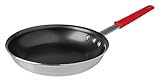
- Top pickTramontina Professional 10" Non-Stick Fry Pan~$25
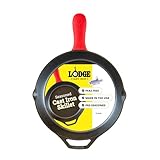
- Best budgetLodge 10.25" Cast Iron Skillet~$24
- Worth the splurgeInstant Pot Duo 7-in-1 6qt Electric Pressure Cooker~$79
Why cheap nonstick dies in six months
The failure mode is always the same. A thin aluminum pan with a thin coating, sold at a price point that requires both. The base warps under heat because there isn't enough metal to absorb and distribute it evenly. Hot spots cook food unevenly and cook the coating from the inside out. Add one metal utensil scratch, one dishwasher run, or three months of high-heat cooking, and the coating starts flaking. Once it starts, it doesn't stop.
The brands selling these pans know the math. At $15–$25, you'll buy another one every year. They count on it. The actual cost difference between a pan that lasts eight months and one that lasts three years is maybe $30–$60 — a rounding error spread over a lifetime of better cooking.
What actually matters in a nonstick pan: gauge (thickness) of the aluminum base, number of coating layers, whether it's PFOA-free, and oven-safe temperature rating. Everything else is marketing.
The best PTFE nonstick: Tramontina Professional 10"
This is the pan that keeps showing up on best-of lists written by people who actually cook. Made in Brazil (not China), heavy-gauge aluminum that doesn't warp, PFOA-free PTFE coating applied thick enough to actually last, NSF-certified for commercial kitchen standards. At $25, it's not the cheapest pan on the shelf — it's the cheapest pan that will still be in your kitchen two years from now.
The handle is riveted, not screwed, which matters: screwed handles loosen over time and become a safety issue. Oven-safe to 400°F — more than enough for finishing dishes. This is the pan to buy if you don't want to overthink it.
The ceramic upgrade: when you want PTFE-free
Ceramic nonstick gets a mixed reputation because 80% of what's sold under that label is thin, poorly bonded, and fails within six months — sometimes faster than cheap PTFE. The remaining 20% is genuinely excellent. The difference is coating thickness and whether the base is heavy enough to keep temps even.
The ceramic case: no PTFE whatsoever, no PFOA, no PFAS compounds. For anyone with concerns about synthetic coatings, ceramic is the clean option. The tradeoff: ceramic requires more care. Never blast it with high heat from cold (thermal shock degrades the coating fast), always preheat gently, and hand-wash only. Do those three things and a quality ceramic pan will genuinely last.
The GreenPan Valencia Pro is the credible middle-ground at around $55 — no need to go straight to a $95 Caraway to get ceramic that works. It uses Thermolon Minerals ceramic coating (the same tech in higher-end brands), has a hard-anodized exterior that resists outside scratching, and is oven safe to 600°F — the highest oven rating at this price tier.
The cast iron reality check
Here's the thing nobody says out loud: nonstick is not the right pan for everything. Searing a steak on nonstick is a mistake — you'll never get the Maillard crust you want, and you'll shorten the coating's life using the high heat that sear requires. Anything you want genuinely browned and caramelized — proteins, roasted vegetables, pan sauces — belongs on stainless or cast iron.
The Lodge 10.25" cast iron skillet costs $24, lasts indefinitely (family heirloom Lodge skillets from the 1950s are in daily use), and produces a better sear than any nonstick pan can. It's heavy, it takes longer to heat up, and you can't run cold water on it while it's hot — but none of that matters once you understand when to reach for it versus the nonstick. Use nonstick for eggs, fish, crepes, pancakes, and delicate proteins. Use cast iron for everything that needs real heat.
The rules that make any nonstick last
The pan is only half the equation. The other half is how you treat it — and most people get at least two of these wrong.
- Medium heat only. This is the single biggest mistake. High heat destroys nonstick coatings faster than anything else — including metal utensils. Nonstick doesn't need high heat. The coating does the work. Eggs cook beautifully on medium-low. Use it.
- No metal utensils. Ever. One metal scratch initiates coating failure. It's not catastrophic the first time, but it's the beginning of the end. Use silicone, wood, or heat-rated nylon.
- Hand-wash every time. Dishwasher detergent is caustic. The heat and abrasive action wears coating significantly faster than hand-washing. It takes 45 seconds under warm water. Do it.
- Don't stack without protection. Stacking pans bare scratches the coating from the outside in. A paper towel between stacked pans costs nothing and extends coating life meaningfully.
- Replace before it fails visibly. Once you see peeling or significant scratching, the pan is done — the coating is going somewhere, and that somewhere is your food.
On the braising side: the Instant Pot's stainless steel inner pot is the anti-nonstick. Everything you'd otherwise ruin a nonstick pan trying to do over high heat belongs in here. No coating. No replacement cycle.

What to skip: the cheap pans that die fast
Let's be specific about what to avoid, because the marketing on bad pans is aggressively convincing.
Any ceramic pan under $30. The coating is either too thin to last or bonded poorly enough to separate at the first temperature shock. Two good months, then ten frustrating ones. Skip it.
"Stone" and "granite" pans with heavy social advertising. These are often standard PTFE with speckled coloring added to look artisanal. The "stone" is cosmetic. Some work reasonably well; many are the cheapest PTFE available inside a convincing exterior. If the specs don't list the aluminum gauge, that's your answer.
Multi-pan sets under $60. Five pans for $45 is five thin, lightly coated pans that will all fail within a year. One good 10" and one good 12" beats five mediocre ones. The set mentality is how kitchens fill up with bad equipment.
Any pan without an oven-safe rating above 350°F. A low oven rating is a proxy for thin coating and thin base. Good pans handle 400–600°F because their construction can take it. A pan that tops out at 350°F is a pan designed to fail.
The two-pan nonstick setup
The most practical nonstick kitchen is two pans, not eight. A 10" for single-to-two-person portions (eggs, single servings, fish fillets, omelets) and a 12" for family-size cooking (stir-fry, pancake batches, multiple proteins). Both in the same line so they stack cleanly, both replaced on a two-to-three year cycle.
The Tramontina Professional handles this combination for under $60 total. When one wears out, replace just that pan. And the Silpat baking mat is worth adding to any kitchen order — it eliminates parchment paper and cooking spray on sheet pans, lasts thousands of uses, and never needs replacing the way a coated pan does.
Is PTFE nonstick actually safe to cook on?
Modern PTFE nonstick is PFOA-free — PFOA was phased out from all cookware by 2013 following EPA action. PTFE itself is chemically inert and non-toxic at normal cooking temperatures. The concern was always PFOA, the processing chemical, not the coating. If you're cooking on medium heat and not scorching an empty pan, PTFE nonstick is safe. PTFE begins to degrade above 500°F, which is why you never preheat an empty nonstick pan on high.
How often should I replace my nonstick pan?
With proper care (medium heat, no metal utensils, hand-washing): 2–3 years for PTFE, 1–2 years for ceramic. With average care (occasional metal utensil or dishwasher): 12–18 months. Don't wait for visible peeling — once you see significant scratching or dull patches in the coating, the pan is past its useful life.
Can I use nonstick on a gas stove?
Yes, but with more care than on electric or induction. Gas creates uneven hot spots, especially on thinner pans, which accelerates coating degradation. Use medium-low heat — lower than you'd think. The Tramontina's heavy-gauge base handles gas better than thin pans because the extra aluminum mass distributes the uneven flame before it reaches the cooking surface.
Is cast iron actually nonstick?
With proper seasoning, yes — a well-seasoned cast iron pan is genuinely slick for most purposes. But it behaves differently: it requires preheat time, it's reactive to acidic foods (degrades seasoning), and it's heavy. Right tool for searing, baking, roasting, frying. Not the first choice for eggs or fish unless you've built up seasoning and are confident with heat management.
What's the best nonstick pan for eggs specifically?
The Tramontina 10" Professional for PTFE, or the GreenPan Valencia Pro for ceramic. Both outperform pans at higher price points for egg cooking. The key for eggs regardless of pan: medium-low heat, a small amount of butter, and patience. The pan is not the only variable.
Do I need to season a nonstick pan before first use?
Not the way you season cast iron. But a first-use wipe with a tiny bit of oil before cooking helps seat the surface. More importantly: wash it with warm soapy water before the very first use to remove manufacturing residue, dry completely, then do a 1-minute warm-up with a few drops of oil wiped around the surface. That's it.