There is a specific kind of shame that comes with a plain litter box sitting in the corner of a studio apartment, visible from the couch, the kitchen, and sometimes the front door. It's not the cat's fault — cats don't care what their bathroom looks like, they care whether it's clean and easy to get into and out of. The shame is entirely a human, small-space, "I have people over sometimes" problem. Litter box furniture exists to solve that problem, and some of it solves it well. A lot of it, frankly, makes things worse for the cat while looking better for you. Here's how to tell the difference before you spend $150 on a cabinet your cat refuses to use.
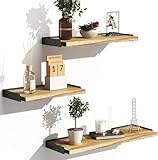
- Top pickBayka Floating Shelves (3-Pack)~$30
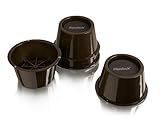
- Best budgetOXO Good Grips POP Container 3.4qt~$16
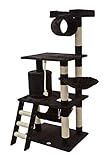
- Worth the splurgeGo Pet Club 62-Inch Cat Tree~$80
The plain box vs. the furniture box — what you're actually trading away
Let's be honest about the tradeoff up front, because most furniture listings skip it entirely. A plain open litter box, sitting in a bathroom or closet with the door propped, is the gold standard for cat comfort. It has zero barriers to entry, maximum visibility so your cat can watch for anything sneaking up on them mid-business (this matters more than people think — it's a vulnerable position for a prey-and-predator animal), and total ventilation, so odor disperses into the room instead of concentrating in a box. Every enclosure — cabinet, bench, planter, hooded box — adds some combination of a smaller entry, reduced sightlines, and trapped air. You're not eliminating that tradeoff by buying furniture. You're managing it.
What you gain is real too: a room that doesn't announce "there is a litter box in here" the second you walk in, a surface you can actually use (a bench top, a console top), and in a lot of small apartments, the difference between having a designated litter room and not having one at all. If your cat is food-motivated, low-anxiety, and doesn't have a history of avoiding hooded boxes, furniture-style options are very much worth trying. If your cat already side-eyes anything that isn't a wide-open tray, don't force it — you'll end up with an expensive cabinet and a puddle on the bath mat.
What separates a good litter cabinet from a bad one
This is the part that actually matters, and it's the part most "10 Cute Litter Box Furniture Ideas" roundups completely skip in favor of photos. Four things determine whether a piece of litter furniture works or becomes a $150 storage cabinet with a resentful cat using your bathroom rug instead.
Ventilation. Look for actual cutouts — slatted sides, a vented back panel, or a mesh insert — not just a door that swings open. A sealed box with one small entry hole traps ammonia and humidity, which is worse for smell control than an open tray, not better. The Frisco Cat Litter Cabinet line does this reasonably well with a slatted door design that lets air move while still blocking sightlines from the room.
Entry size, not entry cuteness. A lot of enclosed furniture is designed around how the opening looks from the outside — an arched doorway, a circular porthole — rather than whether an adult cat can walk through it without ducking or squeezing sideways. Measure your cat: shoulder height and width, at a normal walking gait, not compressed. The IRIS USA Litter Cabinet tends to run a wider, taller opening than most competitors, which is the actual reason it works for bigger cats where prettier options don't.
Cleaning access. Can you actually get the whole box out to dump and scrub it, or are you reaching through a hinged door and scooping at an angle with your shoulder jammed against a shelf? The Merry Products Cat Washroom Bench earns its reputation here — the top lifts, and the tray slides out from the side, so a full litter change doesn't require contorting yourself into a cabinet. That single design choice is the difference between "I'll deep clean this weekly" and "I'll deep clean this eventually."
Odor control that's structural, not cosmetic. Charcoal filter inserts and "odor-blocking" finishes help around the margins, but they can't compensate for bad airflow or infrequent scooping. Don't pay a premium for a filter feature and skip the ventilation check — a cabinet with no airflow and a $15 charcoal filter still smells bad by day three.
Three furniture styles, and who each one is actually for
Cabinets and consoles (like the Frisco and IRIS USA pieces above) look like actual furniture — a side table, a small dresser, a TV console — with a cat-sized door cut into one side and the litter box inside. Best for living rooms, hallways, and anywhere you want the box completely out of the visual field. The tradeoff is the most enclosed of the three styles, so it's the one to skip if your cat is skittish about hooded boxes.
Benches (the Merry Products style, and similar options like the Sweet Home Collection Cat Litter Box Cabinet Bench) function as an actual seat or a plant-stand-height surface, with a side or rear opening for the cat. These tend to have the best cleaning access of the three because the design assumes you'll be lifting the top or sliding a panel regularly. Good for entryways, bedrooms, or anywhere you want a genuinely dual-purpose piece of furniture rather than a box in disguise.
Planters and side tables — pieces built to look like an oversized planter or an end table, often with a faux-plant or lid on top — are the most decor-forward option and the least practical for daily maintenance in most cases. They tend to have smaller openings and less cleaning access than cabinets or benches, so they suit a cat who's small, confident, and low-mess, in a room where appearance matters most (a living room next to a couch, say). If your cat produces a lot of waste or kicks litter aggressively, this is the style most likely to disappoint you.
Across all three styles, resist the urge to go by photos alone. Read the actual dimensions against your existing litter box's footprint before buying — a lot of furniture is sized for the small "starter" boxes that come with kitten kits, not the extra-large box a full-grown cat actually needs.
Building your own hidden nook (cheaper, and often better ventilated)
If the commercial cabinets feel like a lot of money for something you're not sure your cat will accept, there's a DIY middle ground that a lot of small-apartment cat owners land on eventually: a closet or under-stairs nook with the box on the floor and open shelving built around it, rather than a fully enclosed cabinet. You get the "hidden from the doorway" effect without sacrificing airflow, since there's no door to trap odor behind.
A simple version: mount a few floating shelves on the wall above and beside the box at cat-shoulder height and above, turning an ordinary closet corner into something that reads as an intentional built-in rather than "there's a litter box in here." The shelves double as display space or storage for supplies, and because nothing encloses the box itself, you keep full ventilation and full visibility for the cat.
The other advantage of the open-nook approach: it's easy to raise the box itself slightly off the floor on a low platform, which helps with airflow underneath and makes it easier to sweep or vacuum the area without shoving furniture aside every time. A set of furniture risers under a low cabinet or platform accomplishes the same thing for anyone going the enclosed-cabinet route — a couple of inches of clearance under a litter cabinet makes a real difference for both cleaning underneath and letting air circulate around the base, which cuts down on the trapped, stale smell that gives enclosed litter furniture a bad reputation in the first place.
Keeping the hidden zone stocked without turning it into clutter
Once you've committed to a hidden litter zone — cabinet, bench, or DIY nook — the next problem is where everything else lives: the scoop, the baking soda, the backup liners, the extra bag of litter you bought on sale. Shoving all of it loose into the cabinet next to the box defeats the "hides everything" premise the second someone opens the door.
A small airtight container solves the scoop-and-deodorizer clutter specifically. Keep the scoop, a cup of baking soda, and a roll of liners in one sealed container that sits in the cabinet or on the shelf above the nook, rather than loose.

For the bulkier stuff — a spare bag of litter, seasonal bath mats you swap in and out of that bathroom, anything you're storing nearby but not using daily — vacuum storage bags compress the volume dramatically, which matters a lot when the whole point of the furniture is a small footprint. A compressed, sealed bag of spare litter also keeps humidity out, which is the actual enemy of clumping litter's shelf life, more than time is.
Give the cat a reason to actually go to that room
Here's a detail that gets missed constantly: moving a litter box into a hidden cabinet or a closet nook is, from the cat's perspective, relocating their bathroom to a room they may not spend much time in otherwise. Cats are more likely to accept a new litter location — hidden or not — when there's something in that space that makes them want to be there anyway. A tall cat tree positioned near (not on top of) the hidden litter zone gives a nervous or timid cat a vertical perch to survey the room from, which measurably increases confidence about using a box that's tucked out of the main sightline of the house.
What to skip
A few categories of litter furniture that sound good and consistently underperform. Fully sealed cabinets with a single small round cutout and no secondary vent — these are the ones that smell the worst by week two, regardless of what's inside them; if there's only one opening and it's also the only air path, walk away. Anything advertised primarily by its exterior finish ("looks like a real mid-century console!") with no listed interior clearance dimensions — if a listing shows six photos of the outside and nothing measuring the inside cavity, assume it's undersized. Top-entry cabinets for senior cats or larger breeds — a top-entry design that requires jumping and climbing into a box works fine for a young, mobile cat, but it's a genuine barrier for an arthritic senior or a large-breed cat like a Maine Coon, and a missed step onto a hard cabinet edge is a real injury risk. And skip any furniture-style box with a mat, tray, or entry ramp so narrow that litter has nowhere to fall off the cat's paws before they're back on your floor — the whole point was less mess, and a badly designed ramp defeats it immediately.
FAQs
Will my cat actually use a hidden or enclosed litter box?
Most cats will, especially if they're already using a hooded box without issue. The risk group is cats who are already particular about open sightlines, multi-cat households where one cat could corner another inside an enclosed space, and senior or anxious cats. Introduce any new enclosure gradually — leave the door or panel propped open for the first week or two so your cat can get used to the entry and the interior before you close it up fully.
How big should the litter box be inside the furniture?
Bigger than you think, and definitely bigger than whatever box the furniture ships with. The general rule is a box 1.5 times your cat's body length. Most litter cabinets and benches are built around a standard or slightly-larger box, so measure the interior cavity against your actual box, not the manufacturer's stock photo, before buying.
Does litter box furniture actually control odor better than an open box?
Not automatically, and sometimes it's worse. An enclosure with poor ventilation traps ammonia and humidity rather than dispersing it, which can make odor worse than a plain open box in a well-ventilated room. Furniture only helps with odor when it has real airflow — vented panels, a slatted door, or gaps at the base — combined with the same scooping frequency you'd use for any box.
How often do I need to clean furniture-style litter boxes?
The same schedule as any litter box — scoop daily, full change every two to four weeks for clumping clay. Enclosed furniture doesn't reduce how often you need to clean; if anything, because you can't glance at the box in passing, it's easier to let scooping slide. Put a recurring reminder on your phone if the box is out of your daily sightline now.
Can I put a hooded litter box inside furniture, or does it need to be open?
Open box, generally. Stacking a hooded box inside an already-enclosed cabinet doubles down on the ventilation problem — you've now got two barriers between the litter and fresh air instead of one. If the furniture already conceals the box from the room, use a plain open tray inside it rather than adding a second hood.
Is DIY cheaper than buying litter box furniture?
Usually, yes, and it's often better ventilated too. A closet nook with a couple of floating shelves and the box on the floor costs a fraction of a $120–$200 commercial cabinet and doesn't introduce an enclosed-air problem at all. The tradeoff is that it requires an existing closet or alcove to work with — if you don't have that spare footprint, a commercial cabinet or bench is the more realistic option for a fully open-plan apartment.
What size cat is too big for most litter furniture?
Large-breed cats — Maine Coons, Ragdolls, and similarly big-bodied cats in the 15–20+ pound range — outgrow most furniture-style entries, which are typically sized for an average 8–12 pound cat. Check the listed entry height and width against your cat's actual shoulder measurements, standing, not compressed, before buying; when in doubt, size up or skip enclosed furniture in favor of an open box in a screened-off nook.