Nobody discovers their kitchen is too small on a random Tuesday. It happens on Thanksgiving, at 2:40pm, when the turkey needs another 40 minutes, the stuffing casserole needs the oven at a different temperature, two stovetop burners are already committed to gravy and green beans, and the mashed potatoes are getting cold on the counter because there's nowhere left to keep them warm. This isn't a skill problem. It's a capacity problem — you're trying to run a small commercial kitchen's worth of dishes through equipment sized for a Tuesday dinner.
- Top pickInstant Pot Duo 7-in-1 Electric Pressure Cooker (6qt)~$79
- Best budgetLodge 10.25-inch Cast Iron Skillet~$24
- Worth the splurgeCosori Pro II 5.8qt Air Fryer~$90
This list isn't about prep tools, drawer organization, or the small stuff that makes chopping vegetables easier the week before. That's genuinely useful, but it's a different article. This one is about the bigger-picture equipment gaps that only show up once you're actually mid-meal: not enough oven, not enough stovetop, and nowhere to keep six finished dishes hot at the same time while the last one catches up. Here's what actually closes those gaps, and what you can skip.
The real bottleneck: your oven can only do one thing at a time
A standard home oven has one thermostat and one internal temperature. The turkey wants 325°F for four hours. Your stuffing casserole wants 375°F for 45 minutes. Your sweet potato casserole wants 350°F with a broil finish. On a normal day you'd just run these back to back. On Thanksgiving, you have maybe a 90-minute window between "turkey's resting" and "everyone's hungry now," and every single side is competing for that one oven cavity at once.
The fix isn't a bigger oven — it's taking dishes off the oven's plate entirely. That's the theme of everything below: appliances that do a real side dish's job without touching your oven or your stovetop burners.

The pressure-cook function matters less on Thanksgiving than the fact that it's an entirely separate heat source with its own footprint. Cook your mashed potatoes in it an hour before dinner, then flip it to the "keep warm" setting and it holds them at serving temperature without babysitting or a stovetop burner tied up for the next 45 minutes. That's one whole side dish removed from the oven-and-stovetop math.
A second "oven" that lives on your counter
This is the single biggest capacity unlock on this list. An air fryer is functionally a small, fast convection oven, and running one alongside your real oven effectively doubles your baking capacity for the afternoon. Roasted Brussels sprouts, a pan of dinner rolls, reheating a side that finished early and went cold while everything else caught up — all of it can happen in an air fryer instead of waiting in line for oven space.
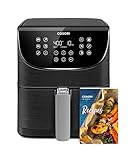
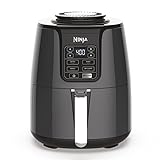
Which size to get comes down to your actual guest count, not aspiration. If you're regularly cooking for eight or more, the 5.8-quart earns its counter space. If Thanksgiving at your house tops out around four to six people, the 4-quart does the same job without permanently occupying real estate you need the other 364 days of the year.
The pan that goes stovetop-to-oven when your baking sheets are already full
Here's a scenario that happens in almost every home kitchen: you need to sear something on the stovetop, then finish it in the oven, but every sheet pan and casserole dish you own is already occupied by something else. A cast iron skillet solves this because it's rated for both — sear cornbread batter or brown butter on the burner, then slide the entire pan straight into the oven to finish, no transferring, no extra dish to wash, no waiting for an empty baking sheet.
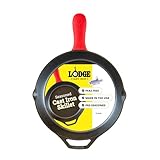
If you already own one cast iron skillet, this is a "you're fine" situation — you don't need a second one just because it's a holiday. But if your cookware is all nonstick and none of it is oven-safe past 350°F, this is the cheapest capacity fix on the entire list.
Big-batch baking day needs a mat that survives repeated use
Thanksgiving usually means multiple back-to-back bakes on the same sheet pans — rolls, then a second batch of rolls, then reheated stuffing, then dessert. Parchment paper works fine for one or two rounds, but it tears, browns unevenly, and you run out of it exactly when you need three more sheets. A reusable silicone baking mat handles high-heat, back-to-back batches all day without needing to be replaced mid-cook, and it releases food more evenly than parchment does.
The knife that actually earns its keep on the day itself
Most knife advice is about everyday cooking. Thanksgiving is different — you're carving a 15-pound turkey in front of an audience, and the knife drawer suddenly matters in a way it hasn't since last November. A dull or undersized knife turns carving into a wrestling match and makes the meat look shredded instead of sliced. This isn't about a dedicated "carving set" you'll use once a year and store forever. A genuinely sharp 8-inch chef's knife handles the turkey, the ham if you're doing one, and everything else on the cutting board that day.
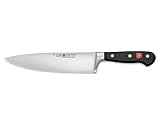
If your knife block already has one genuinely sharp 8-inch chef's knife in it, you don't need anything else for carving. A honing steel used right before dinner will do more for your Thanksgiving carving experience than a dedicated electric knife that lives in a drawer 364 days a year.
What to skip: the gear that solves a problem you don't have
It's easy to over-buy in the two weeks before Thanksgiving because every product page makes its item sound essential. A few things that get pitched hard this time of year but rarely earn their space:
- An electric turkey fryer. It solves oven capacity in theory, but it requires an outdoor setup, a specific type of oil, careful temperature monitoring, and real fire risk if you're not already comfortable with one. If you're asking whether you need it, you probably don't — the appliances above solve the same capacity crunch with far less risk and zero new skill required.
- A dedicated electric carving knife. A genuinely sharp chef's knife does this job as well or better, and you'll actually use that knife the other 364 days of the year. The electric carving knife becomes a single-purpose drawer occupant.
- A second full-size roasting pan "just in case." Most ovens only fit one roasting pan at a time regardless of how many you own. If you need a second cooking vessel, a cast iron skillet or a casserole dish already in your cabinet almost always fits the actual need better.
- Specialty warming trays with multiple wells. They look organized in the box photo, but they take up more counter space than the Instant Pot's "keep warm" function or a low oven setting, and most people use them exactly once before they go back in a closet.
The theme across all of this: buy for a real capacity gap you've actually hit before, not for a hypothetical version of Thanksgiving where you're hosting twenty-five people and running a buffet line. Most homes are solving for six to twelve guests, and the six items above cover that gap without adding clutter you'll store for eleven months a year.
If you can only fix one thing this year
Buy the air fryer. It's the single biggest capacity unlock on this list because it functions as an entirely separate oven, and "not enough oven" is the single most common Thanksgiving kitchen complaint. The Instant Pot is the close second if your bottleneck is more about the stovetop and keeping food hot than about baking capacity. Everything else on this list — the skillet, the baking mat, the knife — solves a smaller, more specific version of the same problem, and none of them requires learning a new skill days before you're expected to feed a table full of people.
FAQs
What's actually the biggest kitchen bottleneck on Thanksgiving?
Oven space, by a wide margin. Most home ovens have one cavity and one thermostat, but a Thanksgiving meal usually needs three or four different temperatures running at once. An air fryer is the most direct fix because it functions as a genuine second oven instead of just another gadget.
Do I really need an air fryer if I already have a big oven?
If your oven is large enough to run the turkey and every side dish simultaneously at their correct temperatures, you probably don't. Most home ovens aren't — they're built for one dish at a time — which is why an air fryer's overflow capacity matters even in a kitchen that otherwise feels spacious.
Is a turkey fryer worth buying for one meal a year?
For most households, no. It requires outdoor space, a large volume of oil, close temperature monitoring, and carries real fire risk if you're not already experienced with one. An Instant Pot or a second air fryer solves the same underlying oven-capacity problem with far less risk and no new equipment to store outdoors.
How do I keep food warm once it's done cooking but dinner isn't ready?
An Instant Pot's "keep warm" setting is one of the most underused features for exactly this problem — cook a side, then let it hold at serving temperature for an hour without drying out or needing a stovetop burner. A low oven (around 200°F) works too, but it competes with whatever else still needs the oven's actual cooking temperature.
What size air fryer should I buy for Thanksgiving?
Size it to your actual guest count, not the holiday specifically. The 5.8-quart Cosori Pro II fits a table of eight or more comfortably; the 4-quart Ninja AF101 is the better fit if you're hosting four to six and don't want a large appliance taking up permanent counter space the rest of the year.
Is cast iron actually better than a regular baking dish for Thanksgiving sides?
It's better specifically when a dish needs to go from stovetop to oven without a transfer — skillet cornbread, a pan sauce finished under the broiler, anything seared and then baked. For dishes that only ever go in the oven, a regular casserole dish works fine and you don't need to buy cast iron just because it's a holiday.
What's the one thing worth buying if my budget is tight this year?
The air fryer. It solves the most common and most disruptive capacity problem — not enough oven — for under $100, and it keeps earning its counter space well past the holiday season for weeknight cooking, reheating, and everyday sides.