The cutting board is the most used surface in your kitchen. You put food on it before it's food and after it becomes dinner. You run a knife across it dozens of times a week. And yet most people own some battered plastic rectangle they bought at a grocery store without thinking, or a glass board they received as a gift and feel too guilty to throw away. Neither is fine. Here's what you should actually have.
- Top pickBoos Block 18x12x1.5" Edge-Grain Maple Board~$90
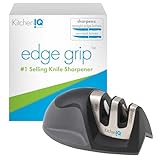
- Best budgetKitchenIQ Edge Grip 2-Stage Knife Sharpener~$8
- Worth the splurgeTeakhaus 20x15" End-Grain Teak Board~$150
The short version: buy a large end-grain or edge-grain wood board, oil it once a month, keep it out of the dishwasher, and never look at a glass cutting board again. Everything else is details — but the details matter, and they're worth understanding once.
Wood vs plastic vs glass vs composite — the honest breakdown
There are four material categories you'll encounter, and the hierarchy is clearer than most people think.
Wood is the correct answer for most people. It's easier on knife edges than any other material, genuinely beautiful, and — despite decades of contrary advice from well-meaning food safety officers — at least as hygienic as plastic when cared for properly. Wood boards do require oiling and hand-washing. That's the entire maintenance burden, and it takes about two minutes a month.
Plastic is the acceptable runner-up. It's lightweight, dishwasher-safe, and cheap to replace. The problem is that plastic boards develop knife grooves over time, and those grooves harbor bacteria in ways a smooth surface doesn't. A brand-new plastic board is fine. A heavily scored plastic board that's been through 200 dishwasher cycles is genuinely concerning. The answer to this is to replace plastic boards regularly — every year or two — which most people don't do. If you use plastic, treat it as disposable.
Composite boards (Epicurean being the main brand) are compressed wood fiber and resin. They're dishwasher-safe, thinner and lighter than wood, and gentler on knives than plastic. They won't warp. They're a reasonable compromise if you hate the maintenance of wood but don't want the knife-dulling of plastic — but they're harder on edges than a good wood board.
Glass is wrong. We'll come back to this.
The bacteria myth, actually debunked
Here's the study that changed how food scientists think about cutting boards: researchers at UC Davis inoculated both wood and plastic cutting boards with Salmonella and E. coli. On plastic, the bacteria survived and multiplied, especially in knife grooves. On wood, the bacteria were drawn into the wood fibers within minutes and died — they couldn't be recovered even with aggressive culturing. Subsequent washing made plastic boards more contaminated (the knife grooves trap bacteria below the surface), while washing wood boards further reduced bacterial counts.
This doesn't mean wood boards are magic. It means the common advice to use plastic because it's "more hygienic" is exactly backwards for well-maintained wood. The caveats are real: raw meat should be handled on a dedicated board regardless of material, cracked or deeply damaged boards should be replaced, and oiling wood regularly helps maintain the structure that makes this work. But the blanket "plastic is safer than wood" claim doesn't hold up to the research.
The one exception is high-volume raw poultry work — for that, a dedicated plastic board you can bleach and replace is genuinely the right call.
Size matters more than you think
The single most common cutting board mistake isn't material — it's size. People buy a board that's too small, then spend the rest of their cooking life chasing vegetables off the edge. A good cutting board should be large enough that you can do your entire mise en place on it. For most kitchens, that means at least 12x18 inches. 15x20 is better. Go larger than feels right in the store.
The thickness also matters. Thin boards warp. Thin boards slide. Thin boards give you nothing to grip when you're cutting something that requires resistance. A proper wood board should be at least 1.5 inches thick. End-grain boards are typically 2–3 inches. The weight of a good board is a feature, not a problem — it stays in place.
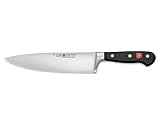
Here's the board that hits every spec correctly:
End grain vs edge grain — what the difference actually means
This is where cutting board conversations get nerdy, but it's worth understanding once.
Edge-grain boards are cut with the long edge of the wood grain running along the cutting surface — the way most lumber is oriented. They're what most people picture when they think of a cutting board. Durable, flat, relatively affordable. The Boos board above is edge-grain. It's excellent.
End-grain boards are cut so the wood grain runs vertically — you're cutting across the ends of the wood fibers rather than along them. This means your knife edge enters the gaps between fibers rather than cutting across them. The result: knife edges stay sharper longer, the board is slightly self-healing (the fibers close back together after cuts), and the checkerboard pattern looks genuinely beautiful. End-grain boards are heavier and more expensive — a good one runs $150–300 — but for a board you'll use every day for the next decade, that math works out.
The practical recommendation: if you're buying one board, buy an edge-grain board like the Boos. If you're buying a second or splurging, go end-grain.
What to skip: glass cutting boards
Glass cutting boards are a kitchen mistake dressed up in visual appeal. Here's why they're wrong:
They destroy knife edges. Every time a knife touches glass, the edge is damaged. Glass is harder than the steel in most kitchen knives. A few sessions on a glass board will take a sharp edge to a dull, rolled, almost unusable state. The sharpening time you'll spend undoing glass board damage isn't worth it.
They're slippery. Food slides. The board slides. Neither of these is useful when you're working with a sharp knife.
They're loud. Every cut rings out with a sharp clack that should be illegal in a kitchen.
The counterargument is usually "but they don't harbor bacteria." This is technically true and practically irrelevant — well-maintained wood and regularly replaced plastic are both safe, and you won't be well-maintaining anything if you're too busy replacing your blunted knives.
If you own a glass board, it makes a serviceable cheese serving platter. It does not belong under a knife.
Caring for a wood board: the actual routine
The maintenance fear around wood boards is overblown, but there is a routine worth following. Here it is in full:
- After each use: rinse with warm soapy water, scrub the surface, rinse, and dry immediately with a towel. Stand it on its edge to air dry — never lay it flat wet. The whole process takes 60 seconds.
- Never submerge or dishwasher: soaking wood causes it to swell, warp, and crack. The dishwasher is the fastest way to destroy a cutting board. This is the main rule.
- Oil monthly: apply food-safe mineral oil or a board cream (mineral oil + beeswax) to all surfaces including the edges and bottom. Let it soak in for a few hours or overnight, then wipe off the excess. This is what keeps the wood conditioned, prevents cracking, and maintains the antimicrobial properties of the wood.
- Refresh the surface: if the board develops odors or surface stains, scrub with coarse salt and half a lemon. Rinse, dry, re-oil. This removes smells and surface discoloration.
The right oil is food-safe mineral oil — not olive oil, not vegetable oil, not coconut oil. Plant-based oils go rancid inside the wood and create smell and food safety problems. Mineral oil doesn't. It's inexpensive, food-safe, and widely available.
Here's what to use for board maintenance:
The comparison: OXO vs Boos vs Teakhaus vs plastic
Here's how the main options stack up honestly:
OXO Good Grips plastic boards ($15–30): Lightweight, dishwasher-safe, nonslip feet, replaceable. A good cheap option if you treat them as disposable and replace them once they develop significant scoring. Best for raw meat handling as a dedicated secondary board. Not your main board.
Boos Block edge-grain ($80–130): The professional standard for good reason. Hard maple is dense, durable, and kind to knives. Made in the US with excellent quality control. The 18x12" board is the right entry point. Needs oiling, hand-washing, and nothing else. Will last 10–20 years with basic care. This is the correct main board for most home cooks.
Teakhaus end-grain ($120–200): Beautiful, knife-friendly, and more self-healing than edge-grain. Teak has naturally occurring oils that make it more resistant to moisture than maple. Heavier than the Boos. The better choice if you're buying one board to own for the rest of your life. Juice groove on the reverse side is genuinely useful.
Tramontina / generic plastic ($10–20): Fine as a secondary raw-meat board. Replace yearly or when deeply scored. Don't use as a primary board.
The hierarchy for most people: Boos edge-grain as primary board, OXO plastic as secondary for raw poultry. Full stop.
Frequently asked questions
Are wood cutting boards really safe for raw meat?
Wood is safe for most raw meat — beef, pork, fish — when washed promptly with hot soapy water after use. For raw poultry specifically, it's good practice to use a dedicated secondary board (plastic is fine for this one use case) because of the higher risk of cross-contamination from chicken. Keep one plastic board exclusively for raw poultry and handle everything else on your wood board.
Can I put a wood cutting board in the dishwasher?
No. The dishwasher is the fastest way to destroy a wood cutting board. The combination of sustained high heat, prolonged water exposure, and harsh detergent causes wood to swell, warp, crack, and eventually split. Hand-wash only, dry immediately, and stand on edge to air dry. This is the non-negotiable rule for wood board ownership.
How often should I oil my cutting board?
Once a month is the right cadence for regularly used boards. A new board should be oiled 3–4 times in its first week before use to fully saturate the wood. Use food-safe mineral oil only — never olive oil, coconut oil, or other plant-based oils, which go rancid inside the wood. Apply generously, let sit overnight, wipe off excess.
Do cutting boards dull knives?
Yes — all cutting boards dull knives to varying degrees, but the material makes an enormous difference. Wood (especially end-grain) is the most forgiving. Plastic is harsher. Composite is between the two. Glass and ceramic boards are by far the most destructive to knife edges and should never be used as cutting surfaces. A sharp knife on a wood board stays sharper significantly longer than on any other material.
What size cutting board should I buy?
Bigger than feels right in the store. The standard recommendation is at least 12x18 inches for most home cooks. If you cook frequently or prep large quantities of vegetables, go 15x20 or larger. A too-small board is the most frustrating kitchen experience — ingredients fall off, you rush your cuts, and the whole process becomes worse. Buy large, and buy thick (at least 1.5 inches).
Does warping mean my cutting board is ruined?
Not necessarily. Minor warping in a wood board is usually caused by uneven moisture exposure — one side got wet while the other stayed dry. To fix it: wet the concave side with a damp towel, place it concave-side down on a flat surface, and weight it overnight. For persistent warping, this process may need to be repeated a few times. To prevent warping, always oil all surfaces (including bottom and edges), never lay wet flat, and store vertically or flat in a dry location.