Somewhere between "I should really fix up that room" and Thanksgiving morning, most hosts run out of time. The guest room — or the pull-out couch, or the kid's old bedroom that's been a treadmill storage unit since 2019 — gets a fresh set of towels and a prayer. Then family shows up for four to ten days, and the cracks show fast: the mattress is somehow both lumpy and too low, the morning sun hits at 6am because there's nothing but a thin curtain panel, and Aunt Carol's suitcase has been living open on the floor because there's nowhere else for it to go.
- Top pickAmazon Basics Microfiber Sheet Set (Queen)~$28
- Best budgetUtopia Home Velvet Hangers (50-Pack)~$18
- Worth the splurgeBayka Floating Shelves (3-Pack)~$36
None of that is really about money. It's about the handful of specific problems every guest room has that a regular bedroom doesn't: unpredictable sleep schedules sharing a wall with your own, zero storage for someone else's stuff, and furniture that was good enough for "nobody's in there anyway" but not good enough for an actual week of company. This list is built around fixing those problems before the first suitcase rolls in, not around making the room Pinterest-pretty. A good host isn't the one with the nicest throw pillows — it's the one whose guests actually sleep.
Start with the bed, because everything else is decoration
If you do exactly one thing on this list, make it the sheets. Guest room sheets are the textile equivalent of a rental car — nobody buys the nice ones for a bed that gets slept in six nights a year, so they're usually whatever was on sale in 2016, pilling, and slightly the wrong size. That's a bad trade. The sheets are the single most direct point of contact between "a house that's hosting you" and "a house that planned for you," and cheap microfiber sets have gotten good enough that there's no reason to serve up the sandpaper special anymore.

Buy a set specifically for the guest room and keep it there, folded in a labeled bin or basket in the closet. The number of hosts who scramble to strip their own bed the morning guests arrive because the "guest sheets" got repurposed months ago is genuinely high. Give the room its own linens and this stops being a recurring fire drill.
Fix the light before anyone complains about it
Here's the thing about holiday houseguests specifically: they're rarely on your sleep schedule. Grandparents wake up at 5:30. Cousins who flew in from three time zones away are up at 4am and asleep by 8pm. Teenagers want to sleep until noon on the one day everyone's supposed to be up for brunch. A guest room with a thin curtain panel or, worse, no window covering at all, actively works against every single one of those schedules — the sun doesn't care whose vacation it is.
Blackout curtains solve this for less than the cost of a nice bottle of wine, and they're one of those upgrades a guest will notice without being able to say exactly why the room felt so much better than expected.
This matters more in a guest room than almost anywhere else in the house, because you can't just tell a houseguest "oh, just get used to it" the way you might tolerate it yourself. They're only there for a week. Give them a dark room and let them set their own schedule.
Raise the bed if it's secretly too low
This is the fix nobody thinks of until they've already lived with the problem for years: pull-out sofa beds, daybeds, and hand-me-down bed frames often sit noticeably lower than a regular mattress, which makes getting in and out harder than it should be — a real issue for an older relative with knees that don't love a deep squat, and just generally uncomfortable for anyone used to a normal bed height. It's the kind of thing guests never mention because complaining about your furniture height feels rude, but it's exactly the kind of small friction that makes a stay feel less comfortable than it needed to be.
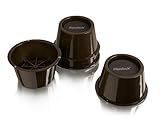
It also works on the pull-out couch itself, which is the unsung hero and villain of holiday hosting in equal measure — comfortable enough for an evening, rough for six nights straight unless you've made a few small adjustments to how it actually sits.
Give their stuff a home, or it ends up on the floor
The single biggest giveaway of an unprepared guest room is a suitcase permanently open on the floor because there's nowhere else for it to go, and clothes draped over a chair because the closet is either full of your off-season coats or has exactly two wire hangers rattling around in it. Guests don't want to ask "where should I put my stuff" on day one — they want it to be obvious. That's a storage problem, and it's a cheap one to fix.
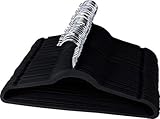
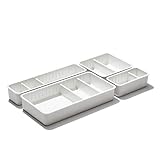
Clear out one full drawer and half the closet before anyone arrives, not the leftover corner behind your winter coats. It sounds obvious written down. It's the step almost everyone skips because it means moving your own stuff first.
Small comfort touches that punch above their price
Once the bed, the light, and the storage are handled, the last layer is the small stuff that makes a room feel considered instead of just available. A nightstand-adjacent shelf for a phone charger, a book, and a glass of water does more for how "hosted" someone feels than almost any decorative object you could buy, because it solves the actual 11pm problem of having nowhere to put anything within arm's reach of the bed.

Add a charging cable already plugged in near the bed, a couple of extra pillows in different firmnesses since you never know if your guest sleeps on their side or their back, and a small trash can or basket so wrappers and tissues don't pile up on the nightstand. None of this costs much. All of it reads as "we thought about this," which is the entire point of hosting well.
What to skip
A brand-new mattress. Unless the current one is truly unusable, a mattress topper solves 90% of "too firm" or "too soft" complaints for a fraction of the price and effort, and it can go on top of whatever's already there — sofa bed included.
Scented candles or diffusers in a scent the guest didn't pick. Guest rooms get used by people with allergies and preferences you don't always know about. A neutral, unscented room is safer than a strongly scented one every time.
A full room redecoration. New paint, new headboard, new rug — all lovely, none of it necessary, and all of it eats the time you actually have before company arrives. Fix function first: sleep, light, storage. Décor is optional; a place to put a suitcase is not.
Fancy monogrammed guest towels nobody will use correctly. Function over formality — plain, plush, easy-to-launder towels beat anything guests are afraid to actually use because it looks too nice to touch.
The one-weekend version of this list
If Thanksgiving is a week out and you're starting from zero: wash and put on the new sheets, hang the blackout curtains, clear one drawer and half the closet with the hangers above, and slide the furniture risers under the bed or pull-out frame. That's an afternoon of actual work, and it covers sleep, light, and storage — the three things guests remember, whether or not they ever say so out loud. The floating shelf and small comfort touches are the finishing 20% once the basics are locked in.
FAQs
What's the single most important guest room upgrade before the holidays?
Blackout curtains and decent sheets, in that order. Sleep schedules go sideways over the holidays — jet lag, early risers, night owls all sharing the same house — and a dark, comfortable bed is the fix that matters most regardless of who's staying.
Do I really need to buy separate "guest" sheets?
It helps more than it sounds like it would. Guest rooms tend to get whatever sheets are left over, which are usually older and rougher than what's on your own bed. A dedicated, decent set that lives in the guest closet year-round means you're never scrambling or handing over your own sheets last-minute.
My guest room is really just a pull-out couch — does any of this still apply?
Yes, arguably more so. Furniture risers under the sofa-bed frame, blackout curtains for the room it's in, and a small shelf or side table within reach of the mattress solve the exact problems that make pull-out couches uncomfortable for multi-night stays.
How much closet and drawer space should I actually clear out?
One full drawer and roughly half a small closet, minimum, per guest or couple staying. Anything less and clothes end up living in the suitcase on the floor for the whole visit, which is the single most common complaint about staying at someone else's house.
Is it worth buying a new mattress for a room that's only used a few weeks a year?
Usually not. A quality mattress topper fixes most firmness complaints for a fraction of the cost and works on everything from a guest bed to a pull-out sofa, so it's the better first move before spending on a full mattress replacement.
What should I skip if I only have a weekend to get the room ready?
Skip decorating entirely — new paint, new rugs, new art. Focus only on sheets, blackout curtains, storage clearing, and bed height. Those four things are what guests actually notice; everything else is optional polish.