There's a specific kind of stress that comes with a $50 coworker gift limit. It's not enough money for a real present, but it's too much to hand someone a gas station candle and call it a day. Add in a Secret Santa spreadsheet, a White Elephant exchange, or a manager's birthday that snuck up on you, and most people default to the same four options: a candle, a mug, a box of chocolate, or a gift card that quietly says "I thought about this at 8:47 this morning." None of those are wrong, exactly. They're just forgettable, and forgettable is the opposite of what you want when you're going to sit near this person for the next several years.
- Top pickFellow Atmos Vacuum Canister~$45
- Best budgetAtomic Habits by James Clear~$13
The trick with coworker gifts is finding something specific enough to feel considered, but generic enough not to feel like you've been paying too much attention to their personal life. Something for the desk, the commute, or the break room — not their bedroom, their body, or their relationship status. Here's a list that clears that bar, organized by the kind of coworker you're buying for, plus an honest rundown of what to leave on the shelf.
The actual rule for a good coworker gift
Forget "thoughtful" for a second — that word gets people into trouble, because thoughtful can tip into personal fast. The better filter is the desk test: would this item look completely normal sitting on their desk or in their bag without anyone asking a follow-up question? A nice tumbler passes. A framed photo of their family does not, because you shouldn't be the one supplying that. A phone charger passes. A bottle of perfume does not, because now you've made a comment on how they smell.
The second filter is give-and-forget: can they use it the same day, without it creating an obligation to display it, wear it, or thank you extensively? A good coworker gift is quietly useful, not a conversation piece. It shows up, it gets used, and nobody has to have a moment about it.
For the coworker who's always refilling their coffee
This is the single safest gifting lane in any office, because "drinks a lot of coffee at work" describes roughly 80% of every workplace in America. The trick is not buying more coffee — buying something that makes the coffee they already drink better.
For the desk that's a cord-and-snack disaster
Every office has one desk that looks like a crime scene — tangled charging cables, a graveyard of granola bar wrappers, a drawer nobody wants to open. That desk belongs to someone who would genuinely benefit from a gift that solves a problem instead of adding to the pile.

For the open floor plan, where headphones are survival gear
If your office has an open floor plan, a "quiet room" that's never actually quiet, or a coworker who takes calls at their desk, headphones are less a luxury gift and more a public service. Same goes for anyone who's constantly patting their pockets looking for a badge or keys before a meeting.
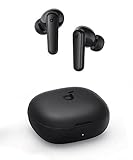
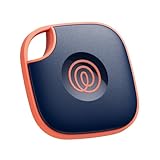
The one gift that works on almost anyone
If you don't know this coworker well — new hire, different department, the person from accounting whose name you drew in the office exchange — books are a surprisingly safe fallback, as long as you pick one that isn't a strong personal statement. Fiction is a gamble because taste varies wildly. A well-regarded, broadly useful nonfiction title is not.

What to skip
Anything requiring a size. Clothing, slippers, a robe — skip all of it. Sizing is a minefield with a coworker, and getting it wrong turns a nice gesture into an awkward return conversation nobody wants to have in a break room.
Gag gifts. The "World's Okayest Employee" mug felt funny in 2014. Now it's the gift equivalent of a shrug — cheap, easy, and it tells the recipient you didn't want to think about this. Save the joke gifts for close friends who'll actually laugh, not open in front of the whole team.
Anything overly personal. Perfume, cologne, jewelry, anything about their body, weight, or appearance. Even with good intentions, these read as a comment on something you shouldn't be commenting on in a professional relationship.
Alcohol, unless you know for certain. You may not know if a coworker drinks, is in recovery, or observes a religion that avoids it — and finding out the hard way, in front of other people opening gifts, is worse than any awkward silence a safer gift could cause.
Homemade food with unclear ingredients. Allergies are real and office-wide gift exchanges are not the place to find out about them. If you want to gift food, buy something store-sealed with a visible ingredient label.
Anything that requires a follow-up. A plant they now have to keep alive, a subscription box that keeps billing them, a "class" gift card for something they never asked to learn. A good coworker gift ends the moment it's opened — it doesn't create a new task on their to-do list.
What's a safe coworker gift if I don't know them well?
Something consumable or broadly useful beats anything personal or decorative. A tumbler, a well-known nonfiction book like Atomic Habits, or a coffee-related item are all safe because they don't require knowing someone's taste in color, scent, or style — just that they work in an office and probably drink coffee.
Is $50 actually enough for a good coworker gift?
Yes, and going higher can sometimes feel awkward in a peer-to-peer office exchange, since it puts unspoken pressure on others to match the spend. Items like the Fellow Atmos canister, a Stanley tumbler, or wireless earbuds all land in the $25–$45 range and read as genuinely nice without tipping into too much for a coworker.
What should I never give a coworker as a gift?
Anything requiring a clothing size, anything about their body or appearance (perfume, cologne, jewelry), gag gifts that read as low-effort, alcohol if you don't know their habits or beliefs for certain, and homemade food without a clear ingredient label. All of these either risk being wrong or create an uncomfortable moment when opened in front of others.
What's the best gift for a White Elephant or Secret Santa exchange with a $50 limit?
Something that works for almost anyone in the group, since you usually don't know who'll end up with it. A Stanley Quencher tumbler, a set of good wireless earbuds, or a widely-loved book like Atomic Habits are all strong picks because they don't assume specific tastes, hobbies, or a particular sense of humor.
Should I get my whole team the same gift, or personalize each one?
For a team of more than four or five people, the same practical gift for everyone (a tumbler, a cable box, a book) is usually the better call — it reads as fair and consistent rather than accidentally ranking people by gift quality. Personalized picks make more sense for one or two direct reports or close work friends, not a whole department.
Is it weird to give a coworker a book?
Not if it's a widely-recognized, professionally-neutral title. Business or habit-focused nonfiction like Atomic Habits works because it's not a strong statement about someone's personal taste the way a novel would be. Skip anything overtly religious, political, or niche unless you know the person very well.