There's a specific kind of gift that shows up when someone lands their first real job: a mug that says "But First, Coffee," a "hustle" desk sign, an engraved leather portfolio nobody asked for. All well-meaning. None of it survives past the first Tuesday. The person starting their first real job doesn't need decor for a desk they haven't even claimed yet — they need things that make the actual transition easier: a bag that doesn't look like it came from a dorm room, a way to track a schedule that isn't organized around a syllabus anymore, and small stuff that makes the 7am alarm and the "wait, how do 401(k)s work" version of adulthood feel a little less like faking it.
- Top pickFjällräven Kanken Backpack~$80
- Best budgetFull Focus Planner~$45
- Worth the splurgeSony WH-1000XM5 Headphones~$398
This list skips the novelty-mug territory on purpose. Everything below is something they'll actually reach for on a workday, or something that quietly signals "I see you leveling up" without being precious about it. It's also deliberately not a repeat of what you'd give someone moving into a first apartment or heading off to a dorm — those gifts solve for living space. This is about the eight-to-ten hours a day they now spend being a professional, which is a different problem entirely. There's a section at the end on what to skip, too — the well-meaning gifts that sound perfect and sit in a drawer by week three.
The bag that carries the job, not just the laptop
Nobody tells you this before a first real job, but the backpack from undergrad is suddenly doing a different job. It's not shuttling textbooks between three classes anymore — it's carrying a laptop, a badge, a water bottle, maybe a change of shoes, and it needs to look like it belongs in a conference room, not a lecture hall. This is the highest-impact gift on this list because it gets used every single workday, twice a day, for years.
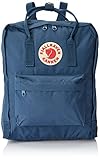
The case for it specifically: it's genuinely everywhere in office culture right now, it survives being kicked around under a desk, and it doesn't scream "student" the way a drawstring bag does. Spending real money on a "grown-up" bag before someone knows their actual work style — bike commute, train, car — is a guess. This is the version that works regardless of how that shakes out.
A planner that survives past January 15th
Everyone gets a planner as a gift eventually, and almost nobody uses it past three weeks, because most planners are built for people who already have a system. A person starting their first real job doesn't have one yet — they have a calendar full of "onboarding," a manager who talks in acronyms, and a vague sense they should be tracking something without knowing what. The right planner here isn't a pretty notebook. It's a structure that does some of the thinking for them.
Desk setup for the hybrid half of the job
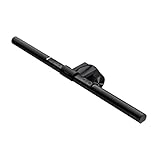
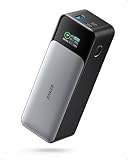
A huge share of first jobs are hybrid now, which means the new employee is building two workspaces at once: one at the office they don't control, and one at home that they do. The home half is where a thoughtful gift actually moves the needle, because a first apartment or childhood-bedroom desk usually has none of the infrastructure an office already has built in.
The coffee ritual that makes 6am feel like a choice
Nobody warns you how much of adjusting to a first real job is really adjusting to a new relationship with mornings — a consistent wake-up time, a commute to plan around, no more rolling out of bed twelve minutes before class. These gifts aren't about coffee snobbery. They're about giving the new morning routine one small, reliable good part.
Headphones that turn a commute into a buffer
This is the gift that gets the most immediate use of anything here, because a first real job usually comes with a first real commute — and a real commute comes with a real need for noise-canceling silence between "home self" and "work self."
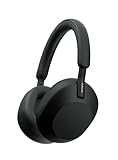
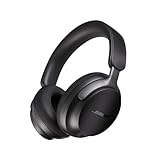
Both do the same core job. The honest difference is refinement, not function — either one turns a commute from wasted time into a real reset between professional and person, which matters more in the first few months than almost anything else on this list.
What to skip: well-meaning gifts that don't survive week three
The engraved leather portfolio. Photographs beautifully, gets used exactly once, out of politeness. Most modern offices run on laptops and shared docs, not legal pads in leather covers — and a brand-new hire carrying one around often reads as trying too hard.
A full business-formal wardrobe piece. Dress codes vary wildly by company and even by team, and most new hires won't know what's actually expected until they've sat in the building for a week or two. Buying formalwear before they know the dress code risks a gift that never leaves the closet.
Desk decor with no function. Inspirational signs, generic succulents, motivational mugs — these feel thoughtful in the store and become clutter by month two, especially since a lot of new hires don't yet know if they'll have a permanent desk, a hot-desk setup, or a fully remote one. Function first, personality once they've actually claimed a spot.
"Networking" branded merch. Cufflinks, a business card holder for someone who hasn't been issued cards yet, a "boss lady" tumbler — cute in concept, rarely used in practice, and solving a problem that doesn't exist yet in a mostly-digital workplace.
If you can only buy one thing
The bag wins if they don't already have a legitimate work-appropriate one — highest visibility, highest frequency of anything here. The planner wins if they've mentioned feeling overwhelmed by the transition, since it solves a stated problem instead of a guessed one. The headphones win if the new job involves any commute, because that daily buffer compounds weekly. And the coffee gear wins if you know their morning routine well enough to know it's already a source of stress or joy.
The through-line: buy for the actual first ninety days, not the fantasy version of the job where they already have a corner office and a signature coffee order. That's the gift that gets used — a little worn in, a little more theirs — a year from now.
FAQs
What's the single best gift if I can only buy one thing?
The bag, in most cases. It's the item with the highest daily-use frequency on this list — used twice a day, every workday, for years — and it's the one thing almost nobody already owns a work-appropriate version of on day one.
Isn't their college backpack good enough?
It can technically hold a laptop, but most college backpacks are built for hauling textbooks and gym clothes, not for looking put-together in a conference room. A dedicated work bag is a small upgrade that changes how someone feels walking into their first few weeks of meetings.
Should I get expensive noise-canceling headphones or a cheaper pair?
Either is a genuinely good gift — the Sony WH-1000XM5 if budget allows, the Bose QuietComfort 45 if it doesn't. Both do the same core job of turning a commute into a buffer; the difference is refinement, not function, so don't feel pressure to stretch for the pricier pair.
Is a paper planner still useful if they already use their phone calendar?
Yes, and it's actually a different tool doing a different job. A phone calendar tracks meetings; a structured planner like the Full Focus Planner forces weekly goal-setting and review, which most people don't build into a digital calendar on their own — especially in the first disorienting months of a new job.
What if I don't know their dress code or desk setup yet?
Stick to items that work regardless: a bag, headphones, a planner, coffee gear. Skip anything tied to a specific dress code or a permanent desk assignment, like formalwear or desk decor, until you actually know what their office looks like day to day.
Is it weird to give a "starter" gift instead of something more personal?
Not at all — a thoughtful, useful gift for this exact transition reads as more personal than generic congratulations swag, precisely because it shows you understood what the next few months actually look like for them, not just that a milestone happened.