Most foam rollers are bought out of guilt, used three times, and live under the bed. The ones that actually get used have one thing in common: they're calibrated correctly to the person using them. Too soft and you're just lying on a foam tube getting nothing done. Too hard and you've created a pain experience that makes you never want to touch it again. Density is the single most important variable and it's almost never explained clearly on the packaging.
The density spectrum, explained
Soft (white/light color): good for beginners, post-injury, elderly users, or areas like the IT band where you want pressure without brutality. Medium (blue, some blacks): the versatile middle ground that works for most people on most body parts. Firm (black, dense): for experienced users, large muscle groups (quads, glutes, upper back), and anyone who's been rolling for more than a few months and wants meaningful pressure.
The accessories that actually get used
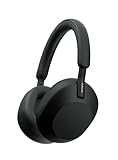
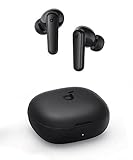
The best foam rolling routine is the one you do consistently. Two things that help: a yoga mat under the roller (provides grip and cushions hard floors) and something to listen to (audiobook, podcast) for the 10–15 minute sessions that are actually effective. The barrier to use is psychological as much as physical.
The technique mistakes that make foam rolling useless
Rolling fast. Rolling over joints (knees, spine directly). Rolling sore areas the day after hard training (counterproductive). Using a roller that's too hard before your muscles are warm. The effective technique: slow roll to find a tender point, pause on it for 30–60 seconds, breathe, move on. Three minutes per major muscle group is more effective than 20 minutes of rapid rolling.
When to use a ball instead
A lacrosse ball or tennis ball is more precise than a foam roller for the upper back, glutes, feet, and hip flexors. The foam roller is best for large, flat muscle groups: quads, hamstrings, IT band, thoracic spine. If you're spending most of your time trying to get the roller into a specific spot, switch to a ball.

The setup that actually gets used
The roller should live in a visible location, not under the bed or in a closet. In the living room next to the couch. On the bedroom floor. In the office. The access friction is the enemy — if you have to retrieve it, you won't. Pair it with TV time, podcast time, or the ten minutes before a workout. Consistency matters more than technique at first.
FAQs
How often should I foam roll?
Daily is fine and often ideal for maintenance. Pre-workout (lighter pressure, dynamic) and post-workout (slower, static holds) serve different purposes. If you only have time for one: post-workout, when muscles are warm and more receptive. 10–15 minutes is sufficient.
Does foam rolling actually work?
Evidence supports foam rolling for short-term pain reduction, improved range of motion, and faster perceived recovery between sessions. It's not a replacement for stretching or strengthening but is a useful adjunct. The primary benefit most people notice: reduced muscle soreness 24–48 hours after training.
What density should a beginner start with?
Medium. Soft foam rollers don't provide enough pressure to be meaningful for most adults. Firm (black) rollers are too aggressive for new users and create pain that discourages the practice. Medium applies meaningful pressure while remaining tolerable.
Can I foam roll my lower back?
Not directly — the lumbar spine requires muscular support and direct hard pressure on the lumbar vertebrae can be harmful. Instead, target the glutes and hip flexors (the actual culprits in most lower back pain) and the thoracic spine (upper/mid back). For lower back, a physical therapist is the right call.
Foam roller vs. massage gun — which is better?
Different tools for different purposes. Foam rollers target long muscle groups and require bodyweight pressure, which is sometimes more than a gun provides and sometimes less controlled. Massage guns are better for specific points and areas that are hard to reach with bodyweight on a roller. Ideally both; if choosing one, the foam roller is more versatile for most people.