Quick disclaimer: this article is not medical advice. Red light therapy is generally low-risk for healthy adults, but consult your doctor before starting any new treatment, especially if you're pregnant, photosensitive, on medications that increase light sensitivity, or have a history of skin cancer.
Red light therapy (also called photobiomodulation, or PBM) used to be a clinic-only thing. Now you can buy a panel on Amazon for $150 and stand in front of it in your underwear before work. Influencers swear it cleared their acne, fixed their joint pain, and regrew their hair. The research is more reserved. Some claims hold up. Some are wishful thinking dressed in lab coat language. This article sorts the two.
What it actually is
Red light therapy uses specific wavelengths of light, usually 660 nanometers (visible red) and 850 nanometers (near-infrared, invisible to the eye), to penetrate skin and stimulate cellular activity. The proposed mechanism is that mitochondria absorb these wavelengths and produce more ATP, which is the energy molecule cells use for repair and function. That part is real and has been studied since the 1960s, mostly in wound-healing contexts.
What's changed recently is the consumer market. Panels that used to cost $3,000 in a dermatology office now sell for $200 to $1,500 for home use. The technology itself isn't new. The accessibility is.
The honest evidence breakdown
This is where things get nuanced, so I'll go category by category:
- Wound healing and skin recovery: Strongest evidence. Multiple clinical trials, including for diabetic ulcers and post-surgical healing.
- Skin appearance, fine lines, collagen: Modest but real. Studies show measurable increases in collagen density and improvements in skin texture after 8 to 12 weeks of consistent use.
- Acne: Mixed. Blue light is better-studied for acne. Red light helps with the inflammation side.
- Pain and recovery (joints, muscles): Mixed-to-promising. Some good studies on knee osteoarthritis and post-workout soreness. Effect sizes vary widely.
- Hair growth: Weak. There are FDA-cleared devices for androgenetic alopecia, but real-world results are unimpressive compared to minoxidil or finasteride.
- Mood, sleep, "cellular detox": Mostly hype. Anecdotal at best. Don't buy a panel for this.
The pattern: skin and surface-level healing claims hold up best. The deeper or more systemic the claim, the thinner the evidence.
The wavelength thing actually matters
If you take one technical detail away from this article, make it this: not all red lights are red light therapy. The wavelengths that matter are 660nm (red, penetrates a few millimeters, good for skin) and 850nm (near-infrared, penetrates deeper, used for muscle and joint claims). A "red bulb" from the hardware store is not therapeutic. Cheap panels under $80 often skip the near-infrared diodes entirely or use the wrong wavelengths.
Look for: dual-wavelength (660nm + 850nm), irradiance specs published by the manufacturer (you want at least 100 mW/cm² at 6 inches), and EMF testing if that matters to you. If a product page won't tell you the wavelength, that's the answer.
Brands worth knowing (and what you actually pay for)
Three brand names dominate the at-home space, and they sit at different price tiers:
- Joovv — the premium player. $600 to $4,000+. Modular panels, beautiful build, the brand wellness influencers chase. You're paying for design, customer support, and the most rigorous third-party irradiance testing in the category.
- Mito Red Light — mid-premium, $300 to $2,000. Strong specs, good warranty, less design-forward than Joovv. Generally considered the best value-to-performance brand.
- PlatinumLED (BIOMAX series) — competes directly with Joovv on output for less money. $400 to $2,500. Favored by the more technical end of the home-therapy crowd.
Below them is a wide field of Amazon-direct brands at $100 to $300 that are perfectly fine for face-and-shoulders use, just don't expect the full-body coverage or output of the premium tier. Here's the practical starter setup most people land on:
The "is this you?" decision framework
Red light therapy makes sense if:
- You have a specific skin goal (collagen, post-acne marks, general texture) and you'll actually use it 4 to 5 times a week for at least 8 weeks
- You have a chronic ache or recovery context where you'd use it consistently (post-workout, knee pain, etc.)
- You enjoy wellness rituals and will actually stand in front of it instead of letting it become a $400 closet ornament
It probably doesn't make sense if:
- You're hoping it replaces a specific medical treatment your doctor prescribed
- You're buying it for hair regrowth as the primary goal (the evidence is genuinely weak; talk to a dermatologist about minoxidil or laser combs first)
- You won't realistically use it 4+ times a week (this is the most common reason people are disappointed)
- You expect to feel something dramatic immediately. Results are slow and additive, not pharmacological
How to actually use it (sessions, distance, timing)
The basic protocol most reputable panels recommend: 10 to 20 minutes per area, 6 to 12 inches from skin, 4 to 5 sessions per week. More is not better. Studies on photobiomodulation actually show a biphasic dose response, which means too much light for too long can reduce the benefit. Set a timer, do the time, leave it alone.
Bare skin. Eye protection if you're treating the face (most panels include goggles, and you should use them). Don't fall asleep in front of one.
Things worth pairing with it (if skin is the goal)
Red light works best as a multiplier on an already-decent skincare routine, not a substitute for one. The basics that move the needle more than any panel:
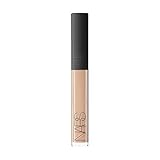
For the actual skincare layer underneath, look at vitamin C in the morning, retinoid at night, and SPF every single day. A red light panel without sunscreen is sandcastle work.
Recovery use case: the pain-and-soreness angle
If you're buying primarily for muscle recovery or joint discomfort, the 850nm near-infrared wavelength is what you want, and you want enough panel to actually cover the area. A face-sized panel will not meaningfully treat a knee or a lower back. This is where the larger Mito Red and PlatinumLED units justify their cost. For a smaller spot-treatment use case, a handheld is fine.
The honest summary
Red light therapy is real technology with a real (if narrow) evidence base. The home-use category has gotten genuinely good in the last three years. If you have a specific, realistic goal and you'll use the panel consistently, it's a reasonable purchase. If you're buying it because TikTok said it cures everything, you'll be disappointed within 60 days.
The biggest predictor of satisfaction isn't the panel you buy. It's whether you actually use it. Pick the cheapest dual-wavelength panel with published irradiance specs, commit to 8 weeks of consistent use, and reassess. That's the honest path.
FAQs
Is at-home red light therapy safe?
For healthy adults, generally yes, when used per the manufacturer's protocol. Wear the included eye protection, don't exceed recommended session times, and stop if you notice irritation. People who are pregnant, on photosensitizing medications, with a history of skin cancer, or with epilepsy should consult a doctor first. This article is not medical advice.
How long until I see results?
For skin (texture, fine lines, post-acne marks), most studies show measurable change at 8 to 12 weeks of consistent use. For pain and soreness, some people notice acute relief within a session or two, but durable improvement also takes weeks. If you don't notice anything by 12 weeks of 4 to 5 sessions a week, it's probably not going to work for you.
660nm vs 850nm — do I need both?
Most quality panels include both. 660nm (red, visible) is best for skin-surface concerns. 850nm (near-infrared, invisible) penetrates deeper and is what's used for muscle, joint, and recovery claims. If you only care about face and skin, a 660nm-only panel is fine and usually cheaper. For a general-purpose panel, get both.
Can I use it every day?
Yes, but more is not better. Photobiomodulation has a biphasic dose response, meaning past a certain point more light reduces the benefit. Most protocols cap at 10 to 20 minutes per area, 4 to 7 days per week. Stick to the manufacturer's recommended session length.
Is the cheap Amazon panel as good as a Joovv?
Mostly no, but it depends on your goal. Cheap panels often have lower irradiance (less light energy reaching your skin), fewer LEDs, and inconsistent wavelength accuracy. For face-and-shoulders skin use a few times a week, a $150 to $250 panel with published specs is fine. For full-body daily use or pain-management at depth, the premium brands earn the price difference.
Will it really regrow my hair?
Probably not at the level the marketing suggests. There are a handful of FDA-cleared low-level laser devices for androgenetic alopecia, and they show modest, statistically significant results in clinical trials, but the effect size is much smaller than minoxidil or finasteride. If hair growth is the primary goal, talk to a dermatologist before spending on a panel.
Does it help with acne?
Red light helps with the inflammation component of acne. Blue light (415nm) is what targets the bacteria and is better-studied for active acne. Some panels combine both. For mild-to-moderate acne, red light is a reasonable adjunct. It is not a substitute for an actual acne treatment plan from a dermatologist if you have moderate-to-severe acne.