Mud season is the great equalizer of dog ownership. It doesn't matter how well-behaved your dog is on a normal Tuesday — the second the trails turn to soup and the yard becomes a swamp, every dog turns into a 60-pound paintbrush that lives in your back seat. I've bought three different seat covers over the years chasing "waterproof," and I've learned the hard way that the word means almost nothing on its own. Here's what actually keeps mud, water, and dog hair off your upholstery, and what's just a nicely photographed piece of nylon that gives up by March.
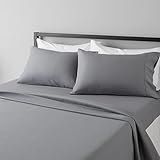
- Top pickAmazon Basics Microfiber Sheet Set, Queen~$25
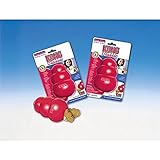
- Best budgetKONG Classic Dog Toy~$13
- Worth the splurgeSpacesaver Vacuum Storage Bags 10pk~$28
Hammock, bench, or cargo liner — pick based on your actual back seat, not the prettiest photo
These three styles get lumped together in search results, but they solve different problems, and buying the wrong one for your setup is the single most common reason people end up disappointed.
Hammock-style covers clip to the front headrests and stretch down to the back of the front seats, creating a sling that blocks the footwell entirely. This is the right call if your dog rides loose in the back and tends to slide forward under braking, or if you have a dog who likes to try to climb into the front seat. A hammock also means muddy paws never touch the floor mats, which is the actual source of most car-interior disasters — mud on the seat is annoying, but mud ground into carpet fibers is a weekend project.
Bench-style covers lie flat across the seat and up the seatback, usually with a flap or two that tucks around the headrests, but they leave the footwell open. These are the better pick if your dog is calm, stays put, or if you need the footwell available for gear, a second dog, or kids' feet on the way to daycare drop-off. They're also generally easier to install and remove one-handed, which matters more than people admit when you're doing it in a wet parking lot with a leash in your other hand.
Cargo liners are for the trunk or way-back of an SUV or hatchback — a tray or heavy liner that covers the cargo floor and sometimes folds up the sides like a tub. If your dog rides in the cargo area behind a barrier rather than on the seats, this is what you actually need, and a bench cover back there is the wrong tool entirely; it won't have the raised sides to contain standing water or loose mud clumps.
A lot of households genuinely need two of these, not one. If your dog splits time between the back seat on errands and the cargo area on hiking days, a bench cover up front and a rubber-tray cargo liner in back is a more realistic setup than trying to make one product do both jobs.
Waterproof backing vs. water-resistant fabric — this is the whole ballgame
Here's the thing nobody puts in bold on the product listing: the top fabric of a seat cover is almost never the part that fails. It's the backing. Any polyester or Oxford-cloth cover will shed a splash of water off the surface just fine. What separates a cover that survives mud season from one that turns your seats into a slow-motion swamp is whether there's an actual waterproof membrane laminated to the underside — usually a PVC, TPU, or rubberized coating — that stops moisture from wicking through to your seat cushion.
"Water-resistant" on its own, without a stated waterproof backing, means the fabric has a surface treatment that beads water for a while and then saturates through once your dog has been wet and pressed against it for the length of a drive home from the trailhead. That's fine for light rain. It is not fine for a dog who just did a lap through a mud puddle and is now lying against the seatback for forty-five minutes.
Kurgo's Bench Seat Cover and their hammock version both use a genuinely waterproof backing and are a reasonable benchmark for what "actually holds up" looks like — the seams are heat-sealed rather than just stitched, which matters more than it sounds like it should. 4Knines is the other name that comes up constantly among people with big, muddy, outdoor dogs, and their covers use a heavier-duty waterproof underside plus a non-slip backing that grips the seat leather or fabric so the whole cover doesn't slide forward every time you brake. BarksBar's Original Pet Seat Cover is the budget-friendlier option that still uses a waterproof backing rather than just a treated top layer — it won't survive years of daily abuse from a large dog the way the pricier options will, but for occasional trips it's a legitimately decent value pick, not a throwaway.
The test I'd suggest before buying anything: check the listing or product page for the word "waterproof" specifically applied to the backing or lining, not just the outer fabric. If a listing only says "water-resistant polyester," assume it'll handle drizzle and light shedding and nothing more.
Anchor straps and seams — what actually holds under claws and body weight
A seat cover that's waterproof but slides around or shreds at the seams within a month isn't actually solving your problem, it's just delaying it. Two things determine whether a cover survives real use: how it's anchored, and how the seams are constructed.
Anchor straps. Cheap covers use thin elastic loops that hook over the headrest posts and call it done. These stretch out within weeks and let the whole cover creep forward, which means the exposed section at the back of the front seats — exactly where a dog's claws dig in while they're getting settled — gets no protection at all. Better covers use adjustable nylon straps with buckles that anchor to the actual seat frame, headrest posts, and often the seatbelt buckle or lower anchor points, so the cover stays taut under a dog's full weight shifting around during a drive. If you can grab a corner of the installed cover and pull it more than an inch or two before it goes taut, the anchoring isn't doing its job.
Seams. This is where a lot of covers fail first, and it's almost always at stress points — where the bench section meets the seatback flap, or around any headrest cutout. A dog's claws catch fabric at exactly those seams when they're climbing in or turning around. Look for double-stitched or bar-tacked seams at stress points, and heavy-duty (600D or higher) fabric rated for the fabric weight, not just a thread count claim. Quilted or diamond-stitched covers also tend to hold up better against claws than flat single-layer fabric, because the quilting distributes the pulling force instead of concentrating it on one line of stitching.
None of this is exotic advice — it's the same stuff you'd look for in a good backpack or tent. Seat cover manufacturers just don't advertise it clearly, so you have to go looking in the actual product description or reviews rather than the marketing copy.
The budget move nobody talks about: a fitted sheet as a real option
If you only make muddy trips occasionally — a monthly hike, the odd trip to a friend's farm, not a daily commute with a wet dog — a dedicated seat cover might genuinely be more than you need. A cheap and surprisingly effective option is draping a queen-size microfiber sheet over the seat and tucking the excess down into the seat crevices and around the headrests. It won't have anchor straps or a waterproof laminate, but for occasional mud rather than standing water, the sheer size and tuck-ability of a flat sheet does a solid job of catching hair, dirt, and light moisture, and it's machine washable and dries fast enough to have ready for the next trip.
This isn't a "make do" suggestion — plenty of people with one moderately muddy dog and an otherwise clean car use this exact method as their actual system, not a stopgap. It costs a fraction of a dedicated cover, takes ten seconds to pull off and toss in the wash, and doesn't require measuring your seat dimensions against a size chart. The limitation is real, though: it won't stop a dog from sliding the sheet around under hard braking, and it does nothing for a genuinely soaked dog who's going to sit in standing water on the seat. For that, go back to a proper waterproof-backed cover.
What to skip: the covers that shred, slide, or just look the part
The seat cover category has a lot of products optimized for the product photo rather than the third month of ownership. Skip these:
- Anything advertised mainly by its cute pattern or color options. If the listing leads with prints and colorways rather than backing material and strap hardware, that's a signal the fabric and anchoring were an afterthought.
- Thin elastic-loop-only anchoring. If the only attachment is elastic straps looping over the headrest posts with no adjustable buckle, expect it to creep forward within a few weeks of real use.
- "Waterproof" claims with no mention of the backing material. If a listing calls the cover waterproof but only describes the top fabric, assume it means water-resistant and read the actual material specs before trusting it.
- Non-quilted, single-layer nylon covers for dogs who dig or circle before lying down. These are the ones that develop a hole at the seam nearest the headrest cutout within the first couple months. If your dog does the pre-lie-down spin-and-scratch routine, single-layer fabric won't hold up.
- Cargo liners with no raised lip or side walls if your dog rides loose in the trunk area. A flat liner does nothing to contain standing water or loose debris that shifts during braking and turning — you want actual tub-style sides back there.
Keeping the dog calmer, and keeping the rest of your gear dry too
Something that doesn't get said enough in seat cover buying guides: a big part of what shreds a seat cover isn't the mud, it's an anxious or overexcited dog scratching, circling, and clawing at the fabric for the whole drive. A dog who settles down does noticeably less damage to whatever cover you're using, waterproof backing or not. Keeping a frozen KONG on hand for car rides — stuffed the night before and handed over the second your dog gets in — buys you a calmer, more settled ride and meaningfully less wear on the seat cover itself. It's a small habit that pays off in cover lifespan more than people expect.
Mud season also means your seasonal gear rotation is in flux — the summer cover comes off, the heavier winter-weight cover or the cargo tray goes in, and you've probably got a spare cover sitting around for when the primary one is in the wash. Vacuum storage bags keep a spare seat cover from eating up trunk or closet space between uses, compressed flat and easy to grab when you need to swap.
And if mud season means actual trailhead trips — boots, a change of clothes, snacks, maybe a crate pad drying in the sun while you hike — a lock on whatever you're leaving in the car isn't a bad idea, especially at a busy trailhead parking lot where cars sit for hours. A basic combination lock on a duffel or the outside loop of a cargo box gives you one less thing to worry about while you're out on the trail.
FAQs
Do I need a hammock-style cover if my dog already rides in the cargo area?
No — a hammock is designed to protect the back seat and block the footwell for dogs riding loose in the passenger area. If your dog rides in a crate or loose behind a cargo barrier, you want a cargo liner instead, ideally one with raised sides or a tub shape to contain mud and standing water. Buying a hammock for a dog who never touches the back seat is wasted money.
Will a waterproof seat cover make my dog slide around on turns?
It can, if the cover itself doesn't have a non-slip backing against the seat. This is a separate feature from the waterproof laminate — look for covers that mention a non-slip or rubberized grip on the underside specifically, not just a waterproof layer. 4Knines and Kurgo both address this with grippy backings; cheaper covers sometimes only address waterproofing and skip the traction layer, which means your dog (and the cover itself) slides during hard braking.
Can I just machine wash a seat cover instead of buying a new one each season?
Most quality covers are machine washable — check the tag, but generally a cold gentle cycle followed by air drying or a low tumble cycle is standard. Avoid high heat, which can degrade the waterproof laminate over time and cause it to crack or peel. If a cover has heavily matted fur, shake it out and vacuum it first so the washer doesn't just redistribute hair into the machine.
My dog claws at the seat cover before lying down — what actually holds up to that?
Quilted or diamond-stitched covers distribute a dog's scratching and circling motion across a wider stitched area instead of concentrating it on one seam line, so they hold up noticeably better than flat single-layer fabric. Pair that with double-stitched seams at the headrest cutouts and seatback-to-bench transition, since those are the specific spots claws catch most often during the pre-lie-down routine.
Is a fitted sheet or flat sheet actually a legitimate seat cover, or just a temporary fix?
For occasional muddy trips with a dog who isn't fully soaked and sitting in standing water, a tucked-in microfiber sheet is a genuinely fine, low-cost system — not just a stopgap. It catches hair and light mud well and is fast to wash and dry. It falls short on anchoring (it can shift under hard braking) and on true waterproofing, so a daily-mud household or a dog who comes back drenched is better served by a dedicated waterproof-backed cover.
How do I stop a seat cover from sliding forward over time?
Check that the anchor straps are adjustable buckle-style rather than plain elastic loops, and that they're actually cinched tight during install, not just hooked loosely over the headrest posts. Anchoring to the seatbelt buckle or lower seat anchors, when the cover has straps for it, adds a lot of stability beyond just the headrest posts alone. If a cover only has stretchy elastic corners with no adjustment, expect it to creep and plan on periodically re-tightening or reinstalling it.
What's the actual difference between Kurgo, 4Knines, and BarksBar?
Kurgo and 4Knines both use genuinely waterproof backings, heat-sealed or reinforced seams, and non-slip undersides — they're built for daily use with large or very muddy dogs and priced accordingly. BarksBar's Original Pet Seat Cover is the more budget-friendly option that still uses a waterproof backing rather than just a treated fabric surface, making it a reasonable pick for lighter or occasional use, though it won't hold up as long under daily heavy-dog abuse as the pricier two.