Here's a thing nobody tells you before your first long-haul flight: your ankles will puff up like bread rolls. It happens quietly, somewhere over the Atlantic, and you don't notice until you try to put your sneakers back on after hour nine and the laces don't cooperate. Cabin pressure drops, humidity tanks, you've been sitting basically motionless for the equivalent of a work shift, and blood pools in your lower legs because your calf muscles — which normally pump it back up when you walk — aren't doing anything. Compression socks are the unsexy, unglamorous, completely correct answer to this problem. They've also crossed over from medical supply closet to actual athletic and travel gear, which means you no longer have to wear the beige stockings your grandmother buys at the pharmacy. This is what to know before you buy, and what else to bring on the flight while you're at it.
What compression socks actually do (and don't do)
Compression socks work by applying graduated pressure to your lower leg — tightest at the ankle, tapering off as you go up the calf. That gradient squeeze mimics what your calf muscles normally do when you walk, actively pushing blood and lymph fluid back up toward your heart. The result: less swelling, less that pins-and-needles stiffness when you stand up, and meaningfully reduced risk of deep vein thrombosis (DVT) on long flights. DVT — blood clots in the deep veins of the leg — is rare in healthy young travelers but risk climbs significantly on flights over six hours, particularly if you're dehydrated, not moving, or have any predisposition.
What compression socks won't do: replace walking. You still need to get up every 90 minutes or so, do a few calf raises, walk to the galley and back. The socks are harm reduction, not a hall pass to sit completely still for 14 hours. They also won't fully prevent swelling if you're aggressively salted from airplane food and eating peanuts for seven hours — drink more water than you think you need.
The brands doing this well right now are Sockwell, Comrad, CEP, and Wanderlust. All four make socks that function as real compression gear and don't look like medical equipment. Sockwell's Circulator and Comrad's Companion are the ones that show up consistently in frequent flyer forums. CEP is the serious athlete's choice — used by marathon runners and cyclists. All are available in patterns and colors that you'd actually choose to wear.
The mmHg guide: how much compression do you actually need
Compression is measured in mmHg (millimeters of mercury), and the number matters more than the brand name on the label. Here's the breakdown:
- 8–15 mmHg — Light compression. Good for very mild swelling, or if you're buying compression socks for the first time and unsure how they'll feel. The "I sit at a desk all day" level. Not ideal for flights over 8 hours.
- 15–20 mmHg — Moderate compression. The sweet spot for most travelers. This is what frequent flyers, nurses, and flight attendants typically wear. Effective for long-haul flights without feeling constricting. Most travel-branded compression socks land here.
- 20–30 mmHg — Firm compression. Medical-grade. Often prescribed after surgery, for varicose veins, or for people with clotting disorders. Fine for travel if your doctor has recommended this level, but don't go here without a reason — they're noticeably tighter and need to be put on before your legs swell at all.
- 30–40 mmHg and above — Prescription only. Not relevant for leisure travel shopping.
For a first-time buyer flying economy on a transatlantic route: 15–20 mmHg, knee-high, put them on before you board (not in the middle seat at 30,000 feet), take them off when you land and have been walking for a bit. That's the protocol.
What to look for beyond the pressure number
Once you've landed on 15–20 mmHg, the other specs that actually matter:
Material: Merino wool blends are the travel gold standard — moisture-wicking, temperature-regulating (warm when cold, cool when warm), and they don't get funky on day two the way synthetics do. Full synthetic is cheaper and easier to care for. Avoid 100% cotton in compression — cotton holds moisture and loses its shape faster.
Knee-high vs ankle: Go knee-high. Ankle-height socks don't address where the pooling actually happens — in the calf and behind the knee. Knee-high is more effective and it's what all clinical research on flight compression uses.
Toe box: Open-toe designs are easier to put on and useful if you're wearing sandals or tend to run hot. Closed-toe looks like a regular sock and works in sneakers or boots. For airport travel, closed-toe is usually more practical.
Sizing: Measure your ankle circumference and calf circumference, not your shoe size. Compression sock sizing is based on those measurements, and getting the wrong size means either too little compression (they slide down) or uncomfortable constriction. Most brands have a sizing guide on the product page — use it.
The full flight kit: what else to bring
The compression socks handle your circulation. But they're one piece of a longer-flight-survival system that most people figure out one uncomfortable trip at a time. Here's what the frequent-flyer version of that system looks like:
First, your carry-on bag needs to be organized enough that you can actually access what you need without unpacking the whole thing on the tray table at 35,000 feet. That means a packing cube for your in-flight essentials — the socks go in here along with your toothbrush, face wipes, lip balm, and anything you want when you wake up disoriented at hour eight.
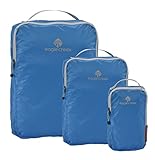
Second, your toiletries need to be genuinely flight-ready, which means refillable leak-proof bottles in the right sizes and a bag with a hanging hook so you're not doing the airport bathroom shuffle with everything spread across a wet counter. The Bagsmart bag has been the standard recommendation for years because the hook actually works and the dividers hold their shape after hundreds of flights.

Third, your luggage needs to be lockable. Not because anyone is stealing your compression socks, but because the TSA-approved lock habit means you also secure the bag at hostel lockers, hotel safes, and any moment you leave your bag unattended. Master Lock's TSA combination is the one that has actually survived checked-bag handling, which is more abuse than most locks ever see.

The noise problem: your second-biggest in-flight enemy
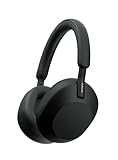
Your legs are handled. Your ears are not. A cabin at cruising altitude runs around 85 decibels of ambient noise — roughly the volume of a city street — for the entire flight. Over eight hours that's real auditory fatigue, it kills sleep, and it makes the baby three rows up sound like a fire alarm. Noise-canceling headphones are the single highest-leverage purchase for long-haul comfort after compression socks, and the WH-1000XM5 are still the benchmark others are measured against. They're not cheap, but they're the difference between arriving exhausted and arriving like you actually slept.
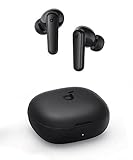
If $400 is too much for the travel headphone budget, the Soundcore P3i earbuds are the honest budget answer. True ANC in an earbud, a fraction of the size, and under $50. They don't match the Sony at noise suppression, but for a four-to-seven hour domestic flight they're genuinely excellent and easier to sleep in for side sleepers who hate the over-ear fit.
Bags and what you actually carry: the travel system that works
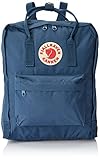
Once you've got the flight-comfort gear figured out, the bag question comes up fast. The Fjallraven Kanken is the personal-item sweet spot for a reason — 16 liters is exactly right for a day's worth of in-flight gear, a laptop, and a light jacket without being the person who spends four minutes trying to force an overstuffed personal item under the seat. The foam back panel also happens to double as decent lumbar support if you position your bag vertically behind your lower back on a long flight. Accidental ergonomics.
The habits that matter as much as the gear
The compression socks do their job. But the habits around them are what separate people who land feeling okay from people who need a full recovery day:
- Put the socks on before you board. Not at the gate. Not in the seat. At home, or at the latest in the airport bathroom before security. Compression works by preventing swelling, not reversing it — if your legs are already puffy, you're fighting physics.
- Hydrate aggressively and avoid alcohol. Cabin humidity is around 10–15%, comparable to a desert. Alcohol accelerates dehydration and dilates blood vessels, which worsens pooling. One drink is fine. Starting duty-free spirits at 7am is not.
- Get up every 90 minutes. Even just to stand in the aisle for 60 seconds. Do calf raises while you're up. Walk to the back galley and walk back. The movement activates your calf pump and circulation improves within about 5 minutes of walking.
- Take the socks off after a few hours of walking post-landing. Once you're mobile and your calf muscles are working normally, you don't need the extra compression. Most people wear them for the flight plus the airport transit time and then switch to regular socks at the hotel.
- Don't wear compression socks to sleep at night. This is a common first-timer mistake. Graduated compression is designed for an upright or seated position — lying flat actually reverses the pressure gradient and can be counterproductive. Nighttime compression is a different garment for a different problem.
FAQs
Do compression socks actually prevent DVT on flights?
The evidence is solid for preventing superficial vein discomfort and swelling, and consistently positive for reducing DVT risk in long-haul travelers. A 2016 Cochrane review found that graduated compression stockings significantly reduced DVT on flights versus no stockings. They're not a guarantee — anyone with a specific clotting risk should talk to a doctor — but for the average healthy traveler on a 10-hour flight, 15–20 mmHg compression is one of the most evidence-backed things you can do. Far more effective than the airline-issue socks that come in business class kits.
How tight should compression socks feel?
They should feel snug and noticeably tighter than regular socks, especially at the ankle, with the pressure easing as you go up the calf. They should not be painful, should not cut into your leg at the top band, and shouldn't cause numbness or tingling. If any of those things are happening, you're either in the wrong size or a higher mmHg than you need. 15–20 mmHg should feel supportive, not constricting.
Can I wear compression socks in sandals at the airport?
Yes, and this is more common than you'd think. Sockwell and Comrad both make compression socks in low-cut styles that work with sandals and sneakers. If you're going airport-to-beach or airport-to-warm-destination and you want the compression without full socks, look for below-knee compression sleeves — same graduated compression, no foot, works with any footwear.
How do I wash compression socks without destroying the compression?
Hand wash in cold water or machine wash cold on a delicate cycle. Never put them in a dryer — heat degrades the elastic fibers and you'll lose the compression within a few months. Lay flat to dry or hang dry. With proper care, a good pair of compression socks should last 200+ wears before the compression noticeably weakens. Replacing them annually if you're flying frequently is a reasonable rule of thumb.
Should I buy compression socks for short domestic flights?
For flights under 4 hours, the risk is low enough that most healthy travelers don't need them. Where it becomes worthwhile: if you're doing multiple back-to-back flights in one day, if you have any history of leg swelling or varicose veins, if you're traveling immediately after a long drive, or if you're pregnant. For a routine 2-hour domestic hop, you're probably fine — just walk around the cabin once.
Are there compression socks for men that don't look medical?
Yes, and the market has exploded in the last five years. CEP makes athletic compression socks in solid colors and patterns that look like performance running gear. Comrad's Companion socks are explicitly lifestyle-positioned — you'd wear them with chinos and no one would know. Sockwell's men's Circulator runs in navy, charcoal, and several patterns. The days of medical-beige being the only option are genuinely over.
What's the difference between compression socks and flight socks?
"Flight socks" is a marketing term, not a distinct product category. They're just compression socks in the 10–20 mmHg range, often positioned and packaged specifically for travel. You're not getting anything technically different — just sometimes a lower mmHg (10–15) and branding that sounds approachable to non-medical buyers. If you see "flight socks" at the airport pharmacy, check the mmHg. Anything below 15 is fairly mild. Go for 15–20 if you're on a long-haul.