Most care packages get opened once, photographed for a group text, and quietly taken apart over the next two days — the cookies get eaten immediately (always a little stale from shipping, nobody cares), and everything else gets shoved in a closet because it doesn't fit how a college student's week actually works. That's not because the sender doesn't care. It's because "thoughtful" and "useful" aren't the same filter, and most care package guides only optimize for the first one.
- Top pickStanley Quencher 40oz~$45
- Best budgetAtomic Habits~$13
- Worth the splurgeBearaby Weighted Blanket~$199
The stuff that earns a permanent spot on a dorm desk has a few things in common: it solves a problem that shows up daily, it survives a cramped room with one outlet and no counter space, and it doesn't require the recipient to change a single habit to use it. Below is what's actually worked, plus a "what never gets used" section near the end, because half of getting this right is knowing what to leave out of the box.
What actually survives being shipped
Start with hydration — boringly practical, and used every single day without fail. Dorm rooms are dry, dining hall cups are tiny, and the average freshman drinks embarrassingly little water during finals week specifically because carrying a bottle to three buildings feels like a chore. The fix isn't a lecture about hydration, it's removing the friction: a big, well-insulated tumbler that keeps ice from melting through a three-hour lecture and clips onto a backpack strap solves the actual problem.
It's also the safest bet in the whole box. It's not sentimental in a way that could miss, it gets used multiple times a day, and it survives being dropped, kicked under a bed, and left in a backpack over a long weekend without cracking.
A book they'll actually open
Sending a book is a gamble most people lose — too long, too niche, or too close to the textbook they're already sick of. What works instead is short, practical, non-fiction that can be read in five-minute chunks between classes. Skip the 500-page novel unless you know they're already a reader; save that for a birthday, not a stress-week package.
Atomic Habits works because college is the first time most people fully own their own routines — sleep, laundry, studying — and its chapters hold up fine even read half-asleep at 11pm. It's also one of the few self-improvement books that doesn't feel preachy, which matters when the reader is 19 and allergic to anything that sounds like a lecture from home.

Coffee that doesn't need a machine
Dorm rooms almost never allow a drip coffee maker (fire code), which leaves either a $200 semester of coffee shop runs or instant packets that taste like burnt cardboard. The gap in between — good coffee, made with no counter and no outlet beyond boiling water, cleanup under a minute — is exactly where an Aeropress lives. It's all plastic, so it survives a fall that would crack glass, and it packs flat into a drawer.
The tech that solves real problems, not gadgets
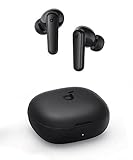
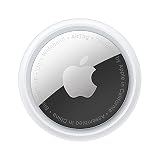
Skip the flashy tech for the boring-but-constant annoyances instead. Two things come up over and over: cheap earbuds dying mid-semester (usually stepped on or lost in a backpack), and the recurring panic of "wait, where's my backpack" that happens weekly in a shared building with three floors and a basement laundry room.
Reasonably priced earbuds beat a flagship pair here — they'll eventually get lost or crushed, and you don't want that to be a $300 mistake. A tracker clipped to a zipper turns "I think I left it in the library" from a 20-minute walk of shame into a 10-second phone check.
Bathroom and laundry logistics for a shared hall
This is the category that separates a package that gets used daily from one opened once. Anyone in a dorm with a shared bathroom already has a system, even a bad one — usually a tote that dumps everything at the bottom every trip. The fix is a hanging toiletry bag with real compartments, so a shower run doesn't mean juggling a bottle, a razor, and a phone with one free hand.
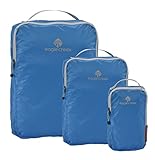
Same logic for laundry: hauling clothes to a shared machine room and trying not to lose a sock in the process. Packing cubes weren't built for laundry, but they're great for it — one cube for dirty clothes on the way down, one for folded clean clothes on the way back, nothing left behind in a shared machine.
The one splurge worth shipping
If there's room for one bigger item, put it toward comfort instead of more stuff. College stress isn't one crisis, it's a steady accumulation of bad sleep, finals anxiety, and a twin XL mattress that never quite feels like home. A weighted blanket isn't just decorative — the deep-pressure effect is genuinely calming for a lot of people, and unlike a candle (the RA makes you toss it anyway) or a stuffed animal, it gets used nightly, not just when someone's feeling nostalgic. It works best as the one splurge in the box, not paired with several other big-ticket items.
What never gets used (and what to send instead)
Every care package guide includes at least one item that sounds sentimental in the store and lands as clutter in the dorm. The biggest offenders: home-baked goods that arrive stale or crumbled after three days in transit; scented candles, which most dorms flatly ban regardless of how good they smell; monogrammed trinkets that are cute once and then a drawer decoration; and full bedding sets in the wrong size — dorm beds are almost always twin XL, not twin or full, and a set that doesn't fit gets shoved in a closet for good.
| Sounds nice | Why it flops | Send instead |
|---|---|---|
| Homemade baked goods | Stale or crushed after 2-3 days of shipping | A coffee shop gift card near campus |
| Scented candles | Banned in most dorms — fire code, no exceptions | A weighted blanket or good earbuds |
| Monogrammed trinkets | Cute once, then a drawer decoration | Something with a daily use case — a tumbler, a tracker |
| Standard-size bedding | Dorm beds are twin XL — regular sizes won't fit | Packing cubes or a toiletry bag instead |
| A drip coffee maker | Usually against fire code, plus no counter space | An Aeropress — hot water only, no outlet drama |
The pattern: anything needing a specific counter, outlet, or wall setup a dorm doesn't have is a guess. Anything solving a problem the recipient already has — no water bottle in reach, no good coffee option, losing track of a backpack, laundry chaos — gets used without a single habit change. That's the real bar for a care package that survives past week one.
Building a full box rather than picking one item? A reasonable split: one hydration or comfort item, one small tech fix, one bathroom or laundry piece, and one book or snack that isn't fragile in transit. That covers daily, weekly, and occasional needs without wasting money on anything sitting in a closet by Thanksgiving.
Frequently asked questions
What's the single best item to send if I can only send one thing?
A large insulated tumbler like the Stanley Quencher. It solves a daily problem (forgetting to drink water between classes), survives being tossed in a backpack, and doesn't require any specific dorm setup to use. It's the safest bet on this entire list.
Is a weighted blanket actually worth the price for a college student?
If the budget allows for one bigger item, yes — it gets used nightly rather than sitting as a display piece, and the calming effect during high-stress stretches like finals is a real, repeated benefit rather than a one-time nice gesture. It works best as the single splurge in a box, not paired with several other expensive items.
Can I send a coffee maker in a dorm care package?
Skip drip coffee makers and hot plates — most dorms restrict them under fire code, and there's rarely counter space for one anyway. An Aeropress or similar manual brewer only needs hot water from an electric kettle, which most dorms do allow, and it packs away flat in a drawer.
Should I bother sending homemade food in a care package?
Generally no, unless it's something genuinely shelf-stable like sealed cookies or vacuum-packed snacks. Anything soft or fresh tends to arrive stale, crushed, or both after 2-3 days in a shipping box. A gift card to a coffee shop or restaurant near campus solves the "I want to send food" urge without the shipping problem.
What size bedding fits a dorm bed?
Almost all dorm beds use twin XL mattresses (39 by 80 inches), which is longer than a standard twin. Regular twin or full-size sheets and comforters won't fit properly, so avoid sending bedding unless you've confirmed the exact size — otherwise it usually ends up unused in a closet.
How many items should go in one care package?
Four is a solid target: one hydration or comfort item, one small tech fix (earbuds, a tracker), one bathroom or laundry logistics piece, and one non-fragile book or snack. That spread covers daily, weekly, and occasional needs without overloading the box with things that overlap or go unused.
Are Bluetooth trackers actually useful for a college student, or just a gimmick?
They're genuinely useful in a dorm setting specifically because backpacks, keys, and jackets get left in libraries, dining halls, and friends' rooms constantly. A tracker clipped to a zipper turns a stressful search into a quick phone check, which matters more during a busy semester than it might seem from the outside.