Cold brew is not iced coffee. Iced coffee is hot-brewed coffee poured over ice, which dilutes it and often turns bitter and thin. Cold brew is coffee steeped in room-temperature or cold water for 12 to 24 hours, with no heat involved. That slow steep pulls flavor out differently — less acidity, less bitterness, a naturally smoother, almost chocolatey body. The catch is that making it well depends more on the device and the ratio than most people assume. A bad cold brew maker doesn't ruin the coffee, but it makes the process messier and more likely to leave grit in your glass. Here's what's actually worth buying, sorted by how you drink it.
- Top pickTakeya Cold Brew Coffee Maker, 1 Quart~$20
- Best budgetOXO Good Grips POP Container 3.4qt~$16
- Worth the splurgeBaratza Encore ESP Burr Grinder~$200
Immersion vs. slow-drip: the two methods that matter
Nearly every cold brew maker on the market uses one of two methods, and it's worth knowing the difference before you buy anything. Immersion is the simple one: coarse-ground coffee sits fully submerged in water for 12 to 24 hours, then gets strained out through a filter. This is what a Takeya pitcher, a Hario Mizudashi pot, or a mason jar with a nut-milk bag all do. It's forgiving, cheap to start, and produces a solid, well-rounded cup.
Slow-drip (sometimes called Kyoto-style or Dutch-style) is the other camp: water drips through a bed of grounds one drop at a time over several hours, using gravity and a valve instead of a full soak. It produces a cleaner, more tea-like cup with a different flavor profile, but the towers that do this run $150 to $300 and take up real counter space. Unless you're chasing a specific flavor difference, immersion covers 95% of what people actually want from cold brew, and it's the category this list focuses on.
One rule applies no matter which device you pick: grind coarse, closer to French press than drip. A fine grind over-extracts during a long steep and clogs whatever filter you're using. If your grinder only has one setting, cold brew is the moment to upgrade — more on that below.
Best for small batches and daily rotation: Takeya
If you're making cold brew for one or two people and want it done by tomorrow morning without thinking too hard, this is the one to buy first. The Takeya pitcher is an airtight jug with a built-in mesh filter that sits down in the center — you dump in grounds, fill with water, stir, and refrigerate. No separate straining step, no cheesecloth. When it's ready, pull the filter insert straight out and you're left with a pitcher of ready-to-pour concentrate-strength coffee. It's why this exact design shows up in nearly every "best cold brew maker" roundup — it removes the steps that make people give up on cold brew after one try.
Best compact and best-looking picks for a crowded fridge
Two different problems, two different fixes. If your fridge is already packed and you need something that doesn't eat a whole shelf, look for a narrow, vertical design rather than a wide pitcher — a lot of cold brew makers are built like a mixing bowl with a lid, which is a terrible shape for a fridge door or a tight shelf. A compact, cylindrical brewer with a removable stainless mesh core solves that: it steeps and strains in the same footprint as a tall water bottle, and the filter lifts out clean instead of needing to be rinsed through a sieve.
If you'd rather have something that looks intentional on the counter instead of hidden in the fridge, a glass immersion pot with a cloth or fine-mesh sock filter is the better call. It's slower to clean — the filter needs a rinse after every batch — but it looks like it belongs in a café.
Best for big batches and concentrate: County Line Kitchen
If you're brewing for a household or just don't want to think about coffee more than once a week, a one-gallon immersion brewer changes the math entirely. A single batch lasts most people 5 to 7 days as concentrate, diluted fresh each pour, instead of steeping a small pitcher every other day. The stainless steel mesh filters on better gallon-size brewers hold up to repeated use far better than the thin plastic mesh on cheaper versions, which warps and lets grounds slip through after a few months.
This is also the category where the old-school concentrate systems live — Toddy-style brewers with a felt or paper filter set into a plastic bucket, and Filtron-style units that work almost identically. They've been the standard in specialty coffee shops for decades for a genuinely low-acid, smooth concentrate. The tradeoff versus a glass gallon jar is cleanup: felt filters need to be rinsed and stored wet between uses, a small extra chore a mesh filter skips.
The ratio, grind, and gear that actually matters
The single biggest lever on flavor isn't the device — it's the ratio. For true concentrate (diluted with water, milk, or ice before drinking), use roughly 1 cup of coarsely ground coffee to 4 cups of water. For ready-to-drink strength you can pour straight over ice, thin that to about 1 cup of grounds to 6 or 7 cups of water. Steep 12 hours for a milder, brighter cup or the full 24 for something deeper and more chocolatey — worth trying both with the same beans before deciding.
Grind size is the other lever people skip. Pre-ground "coffee shop" bags are almost always cut for drip machines, which is too fine for a 12-to-24-hour steep — it over-extracts, turns bitter, and clouds up your filter with fines. A burr grinder set to a coarse, French-press-style setting fixes this in one step and is worth owning even if cold brew is the only reason you buy one.
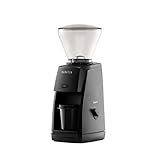
Two accessories quietly make the whole process easier to live with. A vacuum-sealed canister keeps beans fresh between the infrequent grinding sessions cold brew requires — you're not grinding daily like you might for drip, so staleness shows up fast in a slow steep. And a wide-mouth airtight container for the finished concentrate keeps it from picking up fridge odors, which cold brew is notably prone to.

What to skip
Skip anything marketed as an "instant cold brew" device that uses pressure or vacuum to force a fast steep in minutes instead of hours. They exist, they're not cold brew in any meaningful sense, and the flavor gives it away immediately — thin, sour, nothing like a real 12-hour steep. Skip cold brew makers with thin, floppy plastic mesh filters; they warp within a few months and start letting grounds through, which means grit in every glass no matter how careful you are with the pour. And skip buying a dedicated cold brew machine before you've tried the simplest version — a mason jar and a nut-milk bag, steeped overnight in the fridge, costs about $6 and will tell you whether you actually like cold brew enough to invest in a nicer setup.
One more: skip pre-ground "cold brew blend" bags unless you already know you like that roaster. Pre-ground coffee goes stale faster than whole bean, which undercuts the entire point of steeping something for a full day.
What's the ideal cold brew to water ratio?
For concentrate meant to be diluted before drinking, use about 1 cup of coarsely ground coffee to 4 cups of water. For ready-to-drink strength you can pour straight over ice, thin that to roughly 1 cup of grounds to 6–7 cups of water. Adjust from there based on taste — there's no single correct ratio, just a starting point.
How long should cold brew actually steep?
Between 12 and 24 hours at room temperature or in the fridge. Shorter steeps (12–16 hours) produce a milder, brighter cup; the full 24 hours produces something deeper and more chocolatey. Steeping much past 24 hours doesn't add flavor, it just risks a slightly flat, over-extracted taste.
Do I need a special grinder for cold brew?
You need a coarse, even grind, which a blade grinder struggles to produce consistently — it tends to create a mix of fine dust and larger chunks in the same batch. A burr grinder with a coarse setting, like the Baratza Encore, gives you the uniform particle size that keeps sediment out of the final cup.
Is immersion or slow-drip cold brew better?
Neither is objectively better — they produce genuinely different cups. Immersion (a pitcher or jar where grounds soak fully submerged) is simpler, cheaper, and covers what most people want. Slow-drip (Kyoto-style towers where water drips through grounds over hours) produces a cleaner, more tea-like cup but costs significantly more and takes up more space. Start with immersion.
How long does cold brew concentrate last in the fridge?
Undiluted concentrate typically holds up well for 7 to 10 days in an airtight container. Once you dilute it with water, milk, or ice for drinking, treat that portion like regular brewed coffee and drink it within a day or two for the best flavor.
Can I use a French press to make cold brew?
Yes, it works fine for a single small batch — add coarse grounds and cold water, stir, let it sit in the fridge for 12–24 hours, then press down slowly to filter. The main downside versus a dedicated cold brew maker is that a French press's mesh filter is looser than a fine cold-brew filter, so you'll get more sediment in the final pour.