Yes, some audiobooks genuinely beat the movie, and it happens when a great narrator turns a book's inner voice, humor, or sheer number of characters into something a film has to cut. It is rarer than the internet claims, but when it works, the audio version is the definitive one.
Books on your commute
Audible's free trial gets you your first audiobook on the house — cancel anytime and keep it.
Start your free Audible trial →Why a narrator can out-perform a $100 million movie
A film has two hours and a camera. A book has as long as it likes and your imagination, and a narrator is the person standing between the two. When the book's whole charm is a voice (a sarcastic astronaut, a deadpan galactic guidebook, a wizard school with dozens of speaking parts), a skilled performer can deliver that charm more completely than a screenplay ever could.
Three things tend to tip the scale toward audio. First, first-person voice. Movies turn interior monologue into voiceover or drop it, and a lot of the joke density goes with it. Second, cast size. A book with a crowd of speaking characters is a gift to a narrator with range and a headache for a two-hour film. Third, length. Adaptations compress, and compression is where the weird, lovely side plots die.
The flip side: audio does not beat a movie when the appeal is visual spectacle, when the book is thin, or when the narrator is merely competent. A bland reading of a great book still loses to a great film. The narrator has to be a reason to listen, not just a person reading.
The picks where the audiobook wins (or at least ties)
These are the ones we would actually hand to a friend. We have kept the claims modest: this is opinion, and the movies on this list are not bad.
The Martian, narrated by R.C. Bray
Andy Weir's novel is a stranded astronaut's log, which means the whole book is one funny, profane, nerdy voice. The film, with Matt Damon, is a very good survival movie. But the audiobook is a different thing: R.C. Bray carries every beat of the sarcasm and the problem-solving, and he gives the people back at mission control their own distinct voices. The science also gets room to breathe, and the humor lands harder when you hear it timed by a professional. If you liked the film, the audiobook is the extended cut with better jokes.
World War Z, the full-cast edition
This is the cleanest example on the list. Max Brooks wrote World War Z as an oral history, a collection of interviews with survivors from around the globe. The Brad Pitt film kept the title and the zombies and little else. The audiobook is a full-cast production with a lineup that includes Alan Alda and Mark Hamill, and because the book is literally a set of voices, it works almost like a documentary. If the film left you cold, this is the version that shows what the book was after.
The Hitchhiker's Guide to the Galaxy, read by Stephen Fry
The 2005 film has its fans, but most people who love Douglas Adams will tell you the prose is the point. Adams's jokes live in sentence construction: the pacing, the aside, the sudden deflation. Stephen Fry's narration is dry, precise, and perfectly timed, and it keeps those jokes intact in a way a movie struggles to. For this one we would call the audiobook the clear winner, though that is a matter of taste.
Harry Potter, read by Jim Dale (US) or Stephen Fry (UK)
The films are a huge achievement, and nothing in audio replaces seeing Hogwarts. But the books are long and full of characters, and a narrator with real range can make each voice distinct. Jim Dale is the voice of the US editions and Stephen Fry of the UK ones. Which is better is a genuine fan argument, so sample both. Either way, you get the subplots and the chapter-by-chapter slow burn that the movies had to trim, and many listeners find the series works unusually well as a comfort re-listen.
The Hobbit, read by Andy Serkis
Serkis played Gollum on screen, so you might expect a gimmick. Instead you get a performer who understands that The Hobbit is a story told by a slightly mischievous uncle. The riddle scene in the dark is the showpiece, and the audiobook's tone is lighter and more playful than the films, which went for epic. Think of it as a different mood, and in that mood, it wins.
When to skip the audiobook and watch the movie
Honesty time. Not every adaptation loses to its source, and not every book needs a narrator. Here is a quick guide to the cases where we would pick the screen, or at least tell you to expect a tie.
| Story type | Audio usually wins | Movie usually wins |
|---|---|---|
| Voice-driven first person | Yes, the humor lives in the voice | Only if the film uses the voice well |
| Huge ensemble cast | Yes, especially full-cast editions | Rarely, there is no time |
| Visual spectacle (epic sci-fi, battles) | Rarely | Yes, the screen is the point |
| Tightly plotted thrillers | Tie, depends on the narrator | Often, if the author wrote the script |
| Slow-burn literary fiction | Often, if the narrator is strong | Sometimes, but it trims the interior life |
Two quick examples. Gone Girl was adapted with the novel's author, Gillian Flynn, writing the screenplay, and the film is tight and faithful, so the audiobook is a terrific listen (it uses two narrators for the two perspectives) but not an obvious upgrade. And Dune is the opposite case: the audiobook is a multi-voice production and a great way to take in the book's politics and history, but the visuals are a big part of why the recent films work, so we would call it a draw.
The rule we use: if the movie is the book's best version of itself, listen to the audiobook for the extra material, not because you expect it to win. If the movie only borrowed the premise, go straight to the audio.
How to tell if a narrator is worth your time
You cannot judge a narrator from a star rating alone, because people rate the book, not the performance. Here is the quick check we use before committing to a long listen.
- Play the sample at normal speed first. If the voice grates in the first minute, it will grate in hour ten. Speed it up later once you trust it.
- Listen for dialogue, not narration. Anyone can read description. The test is whether you can tell two characters apart with your eyes closed.
- Check who else the narrator has read. If you loved one performance, look up their other work. Good narrators are consistent across a catalogue.
- Read the reviews that mention the narrator by name. Skip the plot summaries; look for comments about pacing, accents, or volume between characters.
- Be wary of author-narrated fiction. Authors are wonderful for memoir and nonfiction, and variable for novels with a big cast.
It also helps to match the narrator to how you listen. Dry, precise readers are great for commutes, since they hold your attention without demanding it. Highly theatrical performers are better when you can sit still, because the voices do a lot of work and you want to catch every change. If you listen to fall asleep, pick someone calm, because a dramatic cast will wake you right up.
The easy upgrades: what to listen with, and one book to start
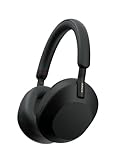
If you are going to spend dozens of hours with a narrator, the playback matters more than people expect. Good noise cancelling lets you hear quiet performances without cranking the volume over a train or an open office. If you only own the earbuds that came free with a phone, this is the cheapest way to make audiobooks feel like a different medium.
For a first listen, a good place to start is a book where a single narrator carries a story with a lot of feeling. The Midnight Library is a gentle, absorbing novel about regret and second chances, and the audiobook is read by Carey Mulligan. There is no film to compare it against, which is the point: it is a good test of whether you enjoy a narrator more than a screen.
The verdict
An audiobook beats the movie when the book's magic is a voice, a crowd, or a length that a film cannot hold. The Martian, World War Z, The Hitchhiker's Guide, Harry Potter, and The Hobbit are our best examples, and each one rewards a listen even if you loved the film. The movies still win when spectacle is the point, and a mediocre narrator will lose to almost any good adaptation.
So the practical advice: pick the book where you already like the movie, sample the narrator for a minute, and try it on a commute. The cheapest way to find out if you are an audio person is a free trial, and you can compare a few narrators before deciding.
Frequently asked questions
Are audiobooks really better than the movie sometimes?
Yes, in cases where the book's appeal depends on a voice, a large cast, or material a film has to cut. It is a matter of taste, but novels like The Martian and The Hitchhiker's Guide to the Galaxy are often named as examples because their humor lives in the narration.
Which audiobook should I try first if I loved the movie?
Start with a book you already know well, since you will not worry about following the plot and can focus on the performance. The Martian read by R.C. Bray is a popular choice because the film and book are both widely loved.
Does the narrator really matter that much?
More than almost anything else. The same book can be wonderful or unbearable depending on who reads it. Always play the sample before committing, and check whether the narrator has recorded other books you enjoyed.
Is a full-cast audiobook better than a single narrator?
It depends on the book. Full-cast productions shine for oral histories and large ensembles, like World War Z. For first-person stories and memoirs, one strong narrator is usually the better fit.
Can I try Audible without paying first?
New members can start with a free trial, which is a low-risk way to sample a few narrators. Terms change from time to time, so check the Audible page for the current offer and what is included before you sign up.
Should I listen to the audiobook before watching the movie?
Either order works. Listening first gives you the full story at your own pace, and many people enjoy comparing the two afterward. If you worry about spoilers, finish the audiobook before you watch.