There's a specific kind of book that works in summer — fast, plotty, fine to read in fifteen-minute airport bursts — and a completely different kind that works when it's dark by 5pm and the only ambition you have left is not moving for three hours. Winter reading isn't about what's critically acclaimed or what everyone's talking about. It's about immersion: does this book make you forget you're cold, forget you have emails, forget the radiator is making that noise again? That's the only metric that matters here. We went looking for books that reward doing absolutely nothing else while you read them — plus the actual blanket that makes the "blanket time" part of this non-negotiable, because a good book under a bad blanket is still a compromise.
- Top pickBearaby Weighted Blanket~$199
- Best budgetThe Midnight Library~$13
The blanket matters as much as the book
We're putting this first on purpose, because most "cozy reading" lists treat the blanket as an afterthought and the book as the whole point. That's backwards. You can reread the same three chapters of a mediocre book in genuine contentment if you're warm enough, and you cannot finish even a great one if you're shifting around trying to get comfortable every ten minutes. A weighted blanket isn't just a heavier version of a regular one — the deep-pressure weight is what actually keeps you still, which is the entire physical prerequisite for the kind of long, uninterrupted reading session this whole list is built around.
Get the blanket right first. Everything else on this list is just what goes underneath it.
Fiction that actually earns the blanket
Escapist fiction gets a bad reputation as lesser reading, which is nonsense — the whole job of a winter novel is to be a better place to be than your actual living room, and that's a harder trick to pull off than people give it credit for. The best winter fiction has a strong emotional hook (not just plot mechanics) and a world you can fully sink into without having to keep fifteen political factions straight in your head. You want immersion, not homework.
What makes this one work specifically as a blanket book rather than just a good book is pacing — short chapters, a clear emotional throughline, and prose that doesn't demand you flip back six pages to remember who someone is. That's a bigger deal than it sounds when you're reading in the specific brain-fog of a Sunday afternoon with nowhere to be.
Nonfiction you can sink into slowly
Winter is also the season for the kind of nonfiction you don't read cover to cover in one sitting — you open it, read for twenty minutes, put it down, come back to it three days later exactly where you left off, and lose nothing. That format is underrated for cold-weather reading because it removes the pressure that a plot-driven book puts on you to keep going. Some of the best "winter books" aren't page-turners at all. They're the opposite, on purpose.
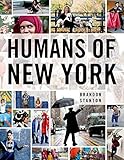
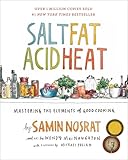
And then there's the winter self-help pick that nobody expects to enjoy and almost everyone does once they start: a genuinely well-written book about how your brain works when the days get short and everything feels heavier than it should.
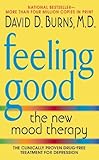
Books that sound cozy but aren't actually blanket reads
Here's the part most lists skip: not every well-reviewed, well-written book belongs under a blanket. Some books are genuinely excellent and still the wrong texture for this — they want a notebook next to you, a highlighter, an upright posture. Reading them horizontal, half-asleep, under twelve pounds of weighted blanket does them a disservice, and it does you one too, because you'll retain almost none of it.
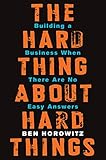
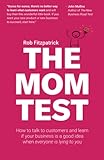
Neither of these is a knock on the books — they're both worth owning and reading. It's a knock on trying to force every good book into the same reading posture. Blanket time is for books that let your guard down. Save the ones that ask you to lean in for a different chair entirely.
The winter reset shelf (planning without leaving the couch)
There's a real overlap between "cozy winter reading" and "quietly getting your life together before the new year," and it happens to be one of the better uses of a long blanket session. You don't need to sit at a desk to plan your next quarter — you need something structured enough to actually walk you through it, and a planner within arm's reach so the ideas don't evaporate by the time you're ready to get up.

How to actually build a blanket-reading setup that lasts
The unglamorous truth about "maximum blanket time" is that it's mostly logistics. You need the book you actually want within reach (not the one you feel like you should be reading), a hot drink that isn't going anywhere near the pages, decent light that doesn't wash out at 4pm when the sun gives up for the day, and — this is the one people skip — a blanket heavy enough that getting up feels like a genuine cost-benefit decision rather than something you do without thinking. That last part is what turns "I should read more" into actually reading more. Friction removed in one direction (getting comfortable) and added in the other (getting up) is the entire trick.
Rotate fiction and nonfiction rather than committing to one all season. A heavy emotional novel back-to-back with another heavy emotional novel burns you out by February; alternating with something you can dip in and out of, like a photo collection or an essay collection, keeps the whole season from feeling like homework. And if a book you picked up because it sounded cozy turns out to want your full upright attention instead — that's fine. Move it to the desk pile and keep the blanket pile for the books that actually deserve it.
Frequently asked questions
What actually makes a book a good "winter read" versus just a good book?
Pacing and posture, mostly. A great winter read has a strong emotional hook, doesn't require you to track a lot of moving parts, and rewards slow, interrupted reading rather than punishing it. Plenty of excellent books fail that test — they're just better suited to an upright chair and a notebook than a blanket.
Is a weighted blanket actually different for reading, or is it just marketing?
The main practical difference is that the added weight makes you less likely to fidget or get up, which sounds small but is the actual mechanism behind long, uninterrupted reading sessions. It won't make a bad book better, but it removes a lot of the physical restlessness that cuts good reading sessions short.
Should I read fiction or nonfiction for cozy winter reading?
Both, ideally rotated rather than binged. Back-to-back heavy fiction can burn you out emotionally by midwinter, and back-to-back dense nonfiction can start to feel like assigned reading. Alternating keeps the season from turning into either extreme.
Why are business books like The Hard Thing About Hard Things and The Mom Test on a "what to skip" list if they're good books?
They're genuinely well-regarded books — the issue isn't quality, it's format fit. They reward an upright, note-taking kind of attention that a half-asleep blanket session works against. Read them, just not curled up at 9pm expecting to retain any of it.
What's a good pick if I want to feel productive without actually getting off the couch?
Atomic Habits is built for exactly that mood — short, digestible chapters that read easily in a blanket session, paired with a planner like the Full Focus Planner nearby so any ideas that click actually get written down instead of forgotten by the time you get up.
What if I start a book that sounded cozy and it turns out not to be?
Move it to a different reading setting instead of forcing it. Some books just want a desk, daylight, and a highlighter rather than a blanket and dim lamp light — that's not the book's fault or yours, it's just the wrong pairing for that particular session.