Let's be real: most "anti-theft" bags are just regular bags with a padlock loop and a bold claim on the listing page. The market is stuffed with nylon totes that call themselves slash-proof because the lining has a layer of metal mesh so thin you could tear it with a determined thumbnail. Meanwhile, the genuinely useful security features — RFID blocking, lockable zippers, hidden compartments, cut-resistant straps — get buried in the same marketing language as the gimmicks. This guide is about cutting through the noise and finding the gear that actually changes your travel risk profile, not just your peace of mind.
What anti-theft bags actually protect you from (and what they don't)
Here is the honest threat model for most travelers. The things that actually happen: opportunistic pickpocketing in crowds, bag-snatching when a purse or backpack sits visible on a cafe chair, and RFID skimming (less common than feared, but real in dense transit hubs). The things that anti-theft marketing oversells: slashing through a bag while you wear it (extremely rare outside of a handful of high-crime zones), sophisticated "security bypass" of zipper locks, and coordinated theft from experienced criminals who won't be deterred by a $60 bag.
So what actually helps? A few things. Zippers that face inward or toward your body. A cross-body strap instead of a shoulder bag you can grab. An RFID-blocking card slot for your passport and credit cards. A way to anchor the bag to a chair in a cafe. Bright interior so you can see what's inside at a glance. None of this requires spending $200 on a "tactical" bag — but it does require thinking about which features solve real problems.
The case for a locking your actual zippers (and what to use)
The cheapest security upgrade for any existing bag isn't a new bag at all — it's a TSA-approved lock on the zipper pulls. Not because determined thieves can't bypass it (they can), but because most theft is opportunistic. A bag with a lock takes an extra four seconds to open, which is enough to move on to the next target. This is especially useful at security checkpoints, hostels, and checked luggage, where your bag is briefly out of your hands.
The Master Lock TSA-accepted padlock is the canonical recommendation here. It's under $10, it works on any bag with a zipper loop, and TSA agents in the US can open it without cutting it during inspections. Buy two — one for your main bag, one for your personal item. This is the anti-theft upgrade that actually delivers value per dollar, no new bag required.

The tracker angle: the real anti-theft upgrade most people miss
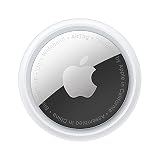
You know what actually helps you recover a stolen bag? A tracker inside it. The shift in how most people think about theft prevention is this: instead of making a bag impossible to take (hard), make it possible to find (easier than you think). Apple AirTags are the most effective option if you're in the Apple ecosystem — the Find My network is massive and AirTags are small enough to slip into any interior pocket, behind a luggage tag, or inside a sewn-in pocket. The 4-pack is the right buy because you want one in every bag you travel with, not just the main one.
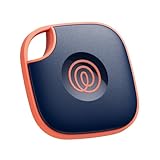
If you're not on Apple, the Tile Mate is the cross-platform option. It works on Android, has a loud ring, and uses the Tile community network (smaller than Apple's but still useful). The practical difference: in a major city, an AirTag has a better chance of pinging a location quickly. In rural areas, both are similarly limited.
The Fjallraven Kanken: stylish, sturdy, and not actually anti-theft
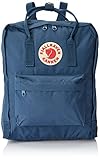
We need to talk about the Kanken because it comes up constantly in travel bag conversations, it is genuinely excellent, and it is absolutely not an anti-theft bag in any meaningful sense. The zippers face outward. There is no RFID blocking. There are no hidden pockets. What it is: extremely durable (the G-1000 fabric has been used in Swedish outdoor gear since 1978), lightweight, recognizable, and sized to fit under an airplane seat. For urban travel in lower-risk destinations, a Kanken with an AirTag inside and a TSA padlock on the main zip is a perfectly solid setup. Just don't confuse "durable and fashionable" with "anti-theft."
For day bags: the cross-body that's harder to snatch
The number one grab-and-run theft vector for tourists is the shoulder bag — it sits on one side of your body, and a person on a scooter or running past can pull it off your shoulder in a second. Cross-body bags fix this because the strap crosses your chest and distributes the weight, making it much harder to rip off without knocking you over. The Baggu Nylon Crescent fits a passport, phone, AirPods, a card wallet, and sunglasses, and it sits close enough to your body that someone would have to make actual physical contact to open it without you noticing.
It's not slash-proof. It doesn't have a steel cable in the strap. But it's small, cross-body, and keeps your most important items within arm's reach instead of dangling off your shoulder. For cafes and markets, that's the real security feature.

Don't overlook packing organization as a security layer
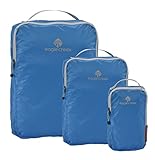
One underrated aspect of anti-theft travel that nobody talks about: knowing exactly what you have and where it is. If your bag is a chaos of loose cables, toiletries, and chargers, you won't notice immediately when something is missing. Packing cubes fix this — not for security theater, but because they let you do a 10-second inventory every time you repack. Eagle Creek Pack-It cubes compress your clothes and keep categories separate, which means you notice fast if the "tech cube" feels light and your external battery isn't in it.
What to skip: anti-theft bags that are mostly hype
Let's name some patterns worth avoiding. First: any bag marketed as "slash-proof" with a metal mesh lining under $50. That mesh is usually so thin that it's more of a marketing claim than a physical barrier — and the rest of the bag (shoulder straps, attachment points) won't be slash-resistant anyway. A determined person with a blade doesn't need to cut through the main compartment. Skip the bags that lean hard on this feature as their primary claim.
Second: bags with "hidden pockets on the back panel" as the headline feature. Yes, if you put your passport in the back panel of your own backpack, a pickpocket is less likely to reach it. They're also less likely to reach the bottom of your bag, or anywhere you didn't tell them to look. The back-pocket design also means your most valuable items are against your back, which is annoying on long days when you need to access your ID constantly.
Third: "anti-theft backpacks" from brands you've never heard of with 4.5-star ratings from 400 reviews and a listing full of lifestyle photos. The materials on these bags are almost always inferior to what the photos suggest — zippers break, the RFID blocking is inconsistent, and the straps fail under real weight. Name brands like Patagonia, Osprey, and Timbuk2 don't market themselves as anti-theft but their construction quality is higher than most dedicated "security bags" at the same price.
Fourth, and this is important: don't buy a new bag when the bottleneck is your habits. The most effective anti-theft system is keeping your bag in your lap at restaurants instead of on the chair, using a luggage lock on hostel lockers, and keeping valuables in inside pockets instead of outer ones. A $150 anti-theft bag doesn't help if you leave it hanging off the back of your chair in a crowded Barcelona tapas bar.
The practical setup that actually works
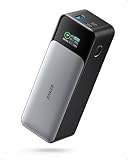
Here is the travel security stack that holds up for most people. A cross-body day bag for city exploring, worn in front in crowded areas. A TSA padlock on any bag leaving your hands (checked luggage, locker storage). An AirTag or Tile in each bag. Packing cubes to know at a glance if anything is missing. An RFID-blocking card sleeve for your passport and main credit card (not a full wallet — just a sleeve, they're a few dollars and they work). And for power, a good battery pack so you're never borrowing a charge from a stranger's outlet and leaving your phone unattended.
FAQs
Are anti-theft bags actually worth buying?
It depends on the specific feature, not the bag as a whole. RFID-blocking card slots: worth it if you're using contactless cards in dense transit hubs. Cross-body strap that doesn't slide off your shoulder: genuinely useful. "Slash-proof" metal mesh on a $40 bag: mostly marketing. The most effective anti-theft gear is a tracker inside the bag and a TSA lock on the zipper — both of which you can add to any bag you already own.
Does RFID blocking actually matter?
Less than the industry suggests, but not zero. RFID skimming of contactless credit cards and passports does happen, but it requires physical proximity (usually under 2 inches), specialized equipment, and a motivated criminal in the right environment. In transit hubs and dense tourist areas, a basic RFID-blocking sleeve for your passport and one credit card costs a few dollars and removes the risk entirely. A full RFID-blocking wallet or bag costs more and probably covers things that weren't at risk anyway.
What's the best bag for a first trip to Europe?
A cross-body bag small enough to hold your phone, passport, cards, and a day's snacks worn across your chest in tourist-heavy areas. Use a packable daypack for longer excursions. An AirTag in the main bag. A TSA lock for the hostel locker. That setup costs less than $50 on top of whatever bags you already own and addresses the actual risk profile for European city travel.
Is the Apple AirTag actually useful for luggage tracking?
Yes, genuinely. The Find My network is dense enough in most cities and airports that a lost AirTag will ping a location within minutes of being near any Apple device. Multiple travelers have recovered checked luggage by walking toward an AirTag location in baggage claim. The limitation is rural areas with sparse iPhone density — and the four-pack price works out to about $25 per bag, which is worth it for the number of times it will prevent a panic spiral at baggage claim.
What should I actually keep in my "anti-theft" bag vs. my main luggage?
Your on-person bag (day bag or personal item) should have: passport or passport copy, all credit cards except one backup in luggage, phone, cash for the day, and your AirPods or headphones. Main luggage can hold everything else — it's less accessible and theft from checked bags is more traceable. Keep one backup credit card and a copy of your passport in your main bag in case your day bag is actually stolen.
Are packing cubes actually a security feature?
Not directly, but they're an inventory tool. If your clothes, tech, and toiletries each live in a separate cube, you know in 10 seconds whether your tech cube feels right when you repack. That's faster than digging through a loose bag to notice something is missing. It won't stop a theft, but it helps you notice one immediately rather than three cities later.