Most yoga mats are tested by people whose hands don't sweat. You are not those people. If you've ever gone from Warrior II into a forward fold and watched your palms aquaplane across your mat like a wet car on a highway, you already know that grip ratings are meaningless in theory and everything in real life. This guide is specifically for sweaty-handed, hot-studio, power-yoga practitioners who need a mat that grips harder as the sweat builds.
Why your hands slip: the real problem
Slipping during sweaty yoga isn't a grip problem — it's a surface chemistry problem. Most entry-level mats use PVC with a textured top layer that grips fine when dry and turns into a slip-n-slide the moment moisture hits it. The texture channels fill with water and you lose all friction. The fix is a mat that actually improves grip when wet, which comes down to two material approaches: natural rubber with an open-cell top surface, or a TPE mat paired with a dedicated mat towel.
- Natural rubber: The gold standard for hot yoga. Gets grippier as it gets wet because the rubber surface compresses against your skin. Manduka GRP and Jade Harmony are both rubber. Heavier (5–7 lbs), can't use with oil-based lotions before practice, latex-allergic practitioners need to avoid.
- TPE: Lighter than rubber, more affordable. Decent dry grip. Doesn't grip-up when wet the way rubber does — pairs better with a mat towel. More eco-friendly to produce than PVC.
- PVC: Cheap, durable. Does not perform in hot/sweaty conditions. Fine for a 6am gentle flow, actively dangerous in a 90-minute Bikram class.
Thickness: the 4mm vs 6mm decision
4mm: The standard. Enough cushion for most people's joints, close enough to the floor that you feel stable in balance poses. Better proprioception. If you're in a heated studio doing flow-heavy classes, 4mm is almost always the move. It also rolls tighter and travels well.
6mm: Better for people with knee or wrist issues who need extra joint cushion. Less stability in single-leg balances. Hot yoga teachers universally prefer 4mm or thinner for sweaty practice because the extra material holds more heat and moisture.
The mat towel situation
If you already own a decent mat that slips when you sweat, a mat towel is the fastest fix. A mat towel is a microfiber towel cut to mat dimensions with silicone dots on the underside to prevent it from sliding off the mat. Lay it on top, spritz lightly with water before class (counterintuitive but it activates the grip), and it grips harder as you sweat into it. Manduka sells one. Heathyoga sells one for ~$22. It's the $22 version of buying a $150 rubber mat.
The reason it works: both a mat towel and a natural rubber mat perform better with moisture than without. Dry microfiber has mediocre grip; wet microfiber is basically a non-slip surface. You're priming the activation mechanism.
Brand tiers, honestly assessed
Manduka: Professional tier. The PRO mat ($120) is the best PVC mat ever made — dense, durable, doesn't wear down. The GRP ($130+) is their rubber mat built specifically for sweaty hot yoga with an open-cell top layer that activates with moisture. Both have lifetime warranties.
Liforme: Rubber base, proprietary GripForMe surface, alignment grid. Around $150. Great for Vinyasa or Ashtanga where alignment matters.
Jade Harmony: Open-cell natural rubber, made in the US. Great wet grip. Around $80–$100. Slightly softer than Manduka, wears faster if you practice daily, but holds up well for 3–4 classes a week.
Gaiam: PVC or TPE, $25–$65, widely available. Fine for occasional home practice. If you sweat, pair with a mat towel. Not a hot yoga mat on its own.
Cleaning: what actually matters
Open-cell rubber mats (Jade, Manduka GRP) absorb your sweat, skin cells, and whatever you walked through on the way to class. They need regular cleaning. Method: diluted white vinegar or a yoga mat cleaner (not dish soap — it leaves residue that kills grip), spray, wipe with a damp cloth, air dry flat. Never roll up a wet rubber mat — it grows mildew in the fold lines. Minimum 30 minutes face-down before rolling.
The single thing that kills grip on any mat faster than anything else: fabric softener on your mat towel. It coats the microfiber and turns it into a slip surface. Wash mat towels without fabric softener, ever.
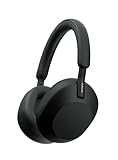
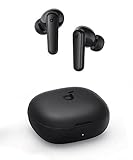
For home practice, music that blocks household distraction matters more than people admit. A good set of headphones transforms whether you actually show up for your practice when there's no instructor.

What to skip
- Thick "extra cushion" mats for hot yoga — the stability trade-off is real and the extra material traps heat and holds sweat. Dangerous in a balance sequence.
- Mats marketed as "non-toxic" without specifying material — this is marketing language, not a specification. Ask what it's made of.
- Yoga mat sprays with fragrance added — fragrance oils on a grip surface leave an oily residue. Use fragrance-free cleaner.
- Folding travel mats with foam construction — they crease at the fold lines, creating trip hazards. Rolled travel mats (like the Jade Voyager) take up the same bag space and don't develop creases.
FAQs
What's the best yoga mat specifically for hot yoga?
Natural rubber with an open-cell surface: the Manduka GRP or Jade Harmony. Both get grippier as moisture builds, which is exactly what you need in a heated room. Pair with a mat towel if you're a particularly heavy sweater. Avoid PVC completely for hot yoga.
Do I need a mat towel if I have a rubber mat?
Not necessarily — a high-quality open-cell rubber mat handles moderate sweat on its own. If you're in a 90-minute Bikram class and soaking through, a mat towel on top adds another layer of insurance. For most hot Vinyasa or power yoga, the rubber mat alone is enough.
How do I fix a yoga mat that's lost its grip?
First, clean it properly — accumulated body oil is the most common grip killer. Use diluted white vinegar or yoga-specific cleaner, not dish soap. For PVC mats, a light scrub with a non-scratch pad can restore texture. If the surface has physically worn smooth, the mat is done.
Is 4mm or 6mm better for sweaty practice?
4mm for sweaty or hot yoga. The thinner mat keeps you closer to the ground (better stability), rolls smaller, and doesn't trap as much heat. 6mm is better if you have knee or wrist pain and need joint cushioning.
Can I put my yoga mat in the washing machine?
PVC and TPE mats: technically yes on a gentle cold cycle, though it's harder on the material. Natural rubber mats: no. The heat and agitation break down the rubber structure and kill grip permanently. Always air dry flat.
What should I look for in a travel yoga mat?
Weight under 2 lbs, rolls (doesn't fold), at least 3mm thickness. The Jade Voyager (~$60) and Liforme Travel (~$130) are the two benchmarks. If you're primarily traveling to studios that have mats, a lightweight TPE mat with a mat towel is the practical choice.
How often should I replace my yoga mat?
Depends heavily on frequency and material. Daily practice: natural rubber lasts 1–2 years, good PVC lasts 3–5 years. The Manduka PRO has a lifetime warranty for a reason. Replace when the surface becomes visibly worn smooth, when it starts smelling despite cleaning, or when grip has degraded and cleaning doesn't fix it.