You know the feeling. You buy a cute matching set, wear it to three workout classes, toss it in the wash, and pull it back out covered in tiny bobbles of fuzz along every seam and surface. The fabric looks like it aged five years in a week. This isn't a laundry problem — it's a materials problem. And once you understand which fabrics pill and which ones don't, you stop making that mistake entirely.
This guide covers the actual science of why workout fabric pills, what to look for instead, plus the specific picks worth spending money on — and the blends to skip entirely.
Why workout sets pill in the first place
Pilling happens when short fibers on the surface of fabric break free from the weave and tangle together into little fuzzy balls. The friction of movement — especially the kind you get during a workout — accelerates the process dramatically. High-speed washing and tumble drying finish the job. The fabrics most prone to this are cotton blends (especially cotton-poly at low polyester percentages), low-grade acrylic, and any knit where the yarn structure is loose enough for fibers to escape.
The fabrics that hold up are either tightly woven synthetics with no loose fiber ends (think nylon, high-quality polyester), or natural materials with very long fibers (merino wool, modal). The brand and manufacturing quality matter too — a 80% nylon set from a reputable manufacturer will outlast a 90% nylon set made with cheaper yarn. Here's how to decode what you're actually buying.
Fabrics that pill vs. fabrics that don't — the quick guide
Pill immediately and consistently:
- Cotton-poly blends under 50% polyester — the cotton fibers are short and break free from the weave at the first sign of friction. Marketed as "breathable" and "natural feel," which is true, but they sacrifice durability completely.
- Low-grade acrylic and viscose blends — found in cheaper fashion-athletic crossover sets. Feel soft in the store, turn into fuzz within weeks.
- Brushed fleece on the inside of leggings — the brushing process that makes fabric feel soft also exposes more loose fiber ends. Worth it for warmth in some cases, but expect pilling along the waistband and inner thighs.
Hold up through hundreds of washes:
- High-tenacity nylon (like Lululemon's Luon or Nulu) — the tightest, most durable knit structure in activewear. Nylon has naturally long fibers and the good brands use high-twist yarn that essentially locks the fibers in place.
- Recycled polyester from brands that control their yarn sourcing — when done right, recycled poly performs identically to virgin poly and pills at the same low rate. When done cheap, the fiber length is inconsistent and you're back to the problem.
- Modal and micro-modal — technically a form of rayon but made from extra-long beech wood fibers. Incredibly soft, drapes beautifully, pills far less than standard cotton. Common in more fashion-forward activewear.
- Merino wool blends — the longest natural fibers available. Expensive, temperature-regulating, odor-resistant, and essentially pill-proof when the wool percentage is high enough.
The sets actually worth buying
Here's the honest answer on activewear: the brands that have been around for 15+ years and charge more than you want to pay tend to be correct about their fabric quality. Lululemon's Align leggings pill far less than most $40 competitors. But there are also genuine mid-price options that hold up — you just have to check the fabric blend, not the marketing copy. Read the tag. Look for nylon content above 60%, or modal, or a premium polyester from a brand with a track record.
The style-adjacent picks below work for the gym-to-errand run, which is where the anti-pill standard matters most — because those are the items you're wearing constantly, washing frequently, and carrying in a bag that creates friction the whole time.

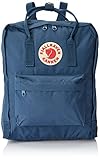
The Baggu Nylon Crescent is here because it's the bag that holds your non-pilling workout set — and it's itself made from exactly the kind of material (high-tenacity nylon) that doesn't degrade. If you're buying quality activewear and then throwing it into a bag with a rough interior lining, you're creating the same friction that pills the fabric at home. A smooth-interior nylon bag is genuinely part of the solution.
What to look for in a matching set specifically
Matching sets pill in predictable places: the inner thighs of the leggings (friction from walking and running), along the waistband (elastic rubbing on fabric), the underarms of the top (same reason), and wherever a bra band sits if you're wearing one underneath. When you're evaluating a set, turn the garment inside out and look at the knit structure. A tight, fine gauge knit where you can barely see the individual loops is a good sign. A looser knit where the weave is visible and you can tug the fabric in multiple directions easily is a bad sign.
Also: check if the waistband is a separate piece sewn on, or folded-over fabric from the same material. Sewn-on waistbands have seam allowances that create friction points. Foldover and bonded waistbands don't. Small difference, meaningful result over a year of washing.
The care routine that doubles the life of any activewear
Even good fabric pills faster if you wash it wrong. The rules that actually matter:
- Cold water only. Hot water loosens the fiber structure and accelerates pilling. Cold is fine for activewear — sweat is water-soluble.
- Turn everything inside out. The exterior surface (the side you see) is the side you care about. Turning it in means the friction during the wash cycle hits the inside instead.
- Gentle cycle, not regular. Less mechanical agitation = less friction = less pilling. Your machine's gentle cycle isn't just for delicates, it's a pill-prevention tool.
- Air dry if you can. The tumble dryer's heat and mechanical action is the fastest way to pill activewear. A drying rack takes an hour longer and your clothes last two years longer.
- Mesh laundry bags. If you can't run a gentle cycle by itself, putting your activewear in a mesh bag reduces friction from other items in the wash. Worth the $8 investment.
The finishing touches worth having (non-pills, guaranteed)
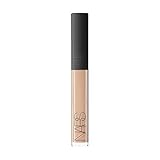
Sometimes you inherit a pilled garment and need to deal with it, not replace it. A fabric shaver (defuzzer) is one of the more satisfying purchases you can make — you run it over the pilled surface and it shaves the balls off, restoring something close to the original look. It doesn't fix the underlying fabric issue, but for a piece you love that's otherwise in good shape, it buys you another season. The other thing worth knowing: quality concealer, like the NARS option below, will stay on your face through a HIIT class in a way that drugstore formulas won't — because it's the activewear equivalent of high-tenacity nylon. The formula is the material, and the material actually matters.

FAQs
What fabric doesn't pill at all?
High-tenacity nylon is the closest thing to a no-pill guarantee in activewear. Brands like Lululemon and Sweaty Betty use versions of this in their hero leggings and the fabric genuinely holds up through years of washing. Modal and merino wool are runners-up — they pill far less than cotton blends, though they come with a higher price tag and different care requirements.
Why do cheap workout sets pill so fast?
Mostly fiber length and yarn twist. Budget activewear uses shorter fibers with looser twist construction — both of which mean fibers escape the fabric surface faster under friction. It's the same reason a $15 t-shirt pills before a $50 one even if both are 100% cotton.
Can you fix a pilled workout set?
Yes, partially. A fabric shaver removes the visible pills and restores something close to the original look. It doesn't fix the underlying fiber structure, so it'll pill again, but it can extend the life of a garment you like by a season or two. You can find them for $10–20 on Amazon and they work on basically any fabric.
Is Lululemon actually worth the price for not pilling?
For the specific fabrics (Align, Nulu, Swift) — yes. The high-tenacity nylon construction pills dramatically less than lower-priced alternatives over 50+ wash cycles. If you're comparing cost-per-wear over two years instead of sticker price, the math often works out. That said, their cotton-blend items (some ABC pants, some tops) are not immune — check the fabric content before assuming the brand = the quality.
Does washing inside out actually help?
Meaningfully, yes. The exterior surface is where the pilling shows and where you want minimal friction. Turning garments inside out means the wash cycle's mechanical action hits the interior, not the face of the fabric. Combine with cold water and a gentle cycle and you've addressed the three main causes of wash-cycle pilling.
What percent polyester should I look for in leggings?
For non-pilling performance, look for 70%+ nylon (preferred) or 80%+ polyester from a reputable brand. Cotton-polyester blends should have the polyester at 60% or above if you want any pill resistance. Anything labeled "cotton blend" without specifying percentages is usually a high-cotton product — assume it will pill.
Are matching sets worth it vs. buying separates?
Sets are worth it when the fabric construction is consistent across pieces — same material, same knit, same care. The problem with cheap sets is the top and bottom often use different fabric grades to hit a price point, so one pills faster than the other and the "match" falls apart anyway. Buy sets from brands that publish their fabric composition on both pieces.