I became a white noise convert the way most people do: out of desperation. First apartment in a city, neighbors who apparently lived inside the walls, a partner who breathed audibly. I bought a $30 machine on a Tuesday night at 11pm and I have slept with one running every night since. That was seven years ago. I have strong opinions.
The market for sleep sound machines has exploded since then — there are machines with Bluetooth, machines with "100 sounds," machines shaped like river rocks — and most of them are not actually better than a $30 fan. But a few of them are genuinely excellent. Here's how to tell the difference, what actually works, and what to skip.
What white noise actually does (and what it doesn't)
White noise doesn't block sound. It masks it. What your brain does in a quiet room is register the contrast between silence and a sudden noise — a car horn, your roommate's cabinet, a dog two floors up. White noise raises the baseline ambient level, which shrinks the contrast, which means your brain doesn't register the intrusion as a threat worth waking up for. This is why it works for sleep and focus. It's not earplugs; it's camouflage.
The practical implication: volume matters more than sound type for most people. A louder machine drowns more out. "Pink noise" and "brown noise" versus "white noise" genuinely does affect feel — brown noise is lower and rumbly, pink is more balanced, white is the classic hissy fan sound — but the masking effectiveness is more about volume than color. Try white first. If it feels harsh, go brown.
The best standalone machine: LectroFan Classic
If you want one answer, the LectroFan Classic is it. It has 20 sounds (10 fan variations, 10 ambient noise variations), no moving parts so it's whisper-reliable, a precise volume dial with real range (quiet enough for a nursery, loud enough to cover a jackhammer), and it's been the sleep-obsessive community's standard pick for years. It runs about $50, takes up the footprint of a hockey puck, and plugs directly into the wall. It doesn't connect to Wi-Fi. This is a feature.
The no-moving-parts design means it will run for a decade without any mechanical degradation. Fan machines with actual spinning blades sound more natural but they eventually develop wobble and bearing noise. The LectroFan uses digital fan simulation that doesn't change over time. Buy it once, keep it on your nightstand forever.
The upgrade pick: LectroFan EVO
The EVO adds a few sounds the Classic lacks (ocean waves, rainfall, brown noise variations) and has USB-C charging for travel. If you travel frequently and want one machine that does both home and hotel rooms, the EVO earns the extra $20. For pure at-home use, the Classic is all you need.
The over-ear option: when headphones beat machines
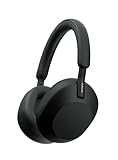
For some people — shift workers who need to sleep while a partner moves around, or focus workers in open offices — a white noise machine in the room doesn't cut it. Headphones with active noise cancellation are the tier above. The Sony WH-1000XM5 has the best ANC on the market and includes its own ambient sound mode that plays white/pink/brown noise through the ear cups. I've used this combination on airplanes and in loud coworking spaces. Nothing else comes close.
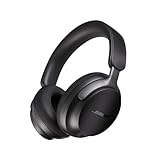
The budget over-ear: Bose QuietComfort 45
The QC45 is the old reliable — not quite as good as the Sony XM5 on pure ANC performance, but lighter, more comfortable for multi-hour wear, and usually available for $50–80 less. For people who sleep on their back or sit at a desk with headphones on for 4+ hours at a stretch, the lighter weight matters enormously. Bose's "Aware Mode" lets ambient sound through at a controlled level, which is useful if you need to stay somewhat aware of your environment while reducing the worst of the noise.
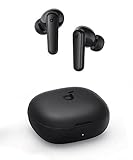
The budget earbuds: for sleeping on your side
Here's the thing about over-ear headphones for sleep: if you're a side sleeper, the ear cup presses into the pillow and is uncomfortable within an hour. Enter small in-ear options. The Soundcore P3i has decent ANC for earbuds at $45, a small profile that doesn't dig into the pillow, and 10 hours of battery. They're not as good as the Sony at masking sound. But they're not pressed against a pillow cushion either.
What else is in the sleep environment (because machines alone won't fix everything)
A white noise machine handles audio. The rest of your sleep environment — light, temperature, visual clutter — affects sleep quality independent of sound. Blackout curtains are the second-highest-impact sleep upgrade after a noise machine. If any light enters your room at 6am, your melatonin response is compromised regardless of what you're hearing. The NICETOWN curtains are the consistently recommended budget blackout option: triple-weave fabric, no light bleed, available in lengths up to 108 inches so you can hang them high and wide the way they should be hung.

The wind-down environment: lighting matters before bed
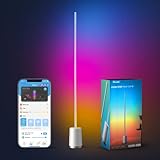
White noise is about the sound environment. But the light environment in the hour before bed determines whether your melatonin rises on schedule. Bright overhead white light at 9pm delays sleep onset by 1–2 hours for most adults. Warm, dim, indirect light tells your brain it's evening. One floor lamp on warm mode replaces overhead lights for the entire wind-down period and is a genuinely noticeable sleep quality upgrade. The Govee floor lamp has warm and cool modes, a dimmer, and does this job well at $40.
What to skip
Machines with phone apps as a required controller. The app will update, break, or require an account re-auth on the night you most need sleep. Any machine that doesn't have physical controls on the device itself is a liability. Machines with "100 sounds." You will use two. The extra 98 are marketing. Bluetooth speakers playing YouTube white noise. The 10-hour video ends. You wake up. Your partner is annoyed. Anything with a built-in nightlight that can't be fully disabled. Even a dim LED indicator affects melatonin if it's in your sightline. Cover it with tape or don't buy it.
Also worth saying: the most common reason white noise machines don't work for people is they run them too quietly. The machine needs to be loud enough to actually mask intrusion. Most people set it at 20% volume and wonder why the neighbors are still audible. Turn it up. It should be clearly audible from the bed.
The complete sleep environment checklist
- Sound: White noise machine or ANC headphones, volume high enough to matter.
- Light: Blackout curtains, all indicator lights covered or facing away, warm lamp for wind-down.
- Temperature: Most sleep research lands at 65-68 degrees F as optimal. Your mattress topper matters here too.
- Weight: Weighted blankets reduce nighttime anxiety for a significant subset of people. Worth trying if you tend to wake with a racing mind.

FAQs
What's the difference between white noise, pink noise, and brown noise?
All frequencies, equal energy: white noise (harsh hiss). Lower frequencies emphasized: pink noise (softer, like a steady rain). Even lower frequencies: brown noise (deep rumble, like a strong waterfall or distant thunder). Most people find brown or pink more pleasant for sleep; white is more effective at masking high-frequency sounds like voices. Try brown first if white sounds too abrasive.
Is it safe to run white noise all night?
For adults, yes — at reasonable volumes (under 70dB, which is most residential machines on a normal setting). For infants, the AAP recommends keeping machines at least 7 feet from the crib and below 50dB. Running it all night is fine; the concern is proximity and volume, not duration.
Can white noise damage your hearing?
At the volumes used for sleep masking, no. White noise becomes a hearing risk at the same volumes as any other sound — roughly above 85dB for extended periods. Most sleep machines top out at 75-80dB at arm's length; at nightstand distance across the room from your head, you're well below any risk threshold.
Do I need a separate machine for each room?
Practically: yes, if you have specific noise problems in multiple rooms (bedroom and home office both). Running one machine in the hallway doesn't provide the same masking as one in the room itself. The LectroFan Classic at $50 is cheap enough to have two.
Will I become dependent on white noise to sleep?
Sort of, and that's fine. You may find it harder to sleep without it once you adapt — the same way you might struggle to sleep without your usual pillow. This is a preference calibration, not a clinical dependency. Most people who can't sleep without it anymore consider this an extremely good trade-off.
What about apps like Calm or Sleep Cycle?
Apps are a fine starting point but come with drawbacks: your phone stays on the nightstand (more light, more temptation), app quality varies, and the sound cuts if you get a notification that interrupts audio. A dedicated machine removes the phone from the equation entirely, which is often the more valuable change.