Every year around this time, the same two anxieties show up at once. The first: "If I buy this now, will it drop $80 on Black Friday and I'll feel like an idiot?" The second: "If I wait, will it sell out in the size or color I want before the sale even happens?" Both fears are legitimate, and the honest answer is that neither "buy everything now" nor "wait for everything" is right. Different product categories behave completely differently in the six weeks between early October and Cyber Monday, and once you know the pattern, the decision gets a lot less stressful.
- Top pickBaratza Encore ESP Burr Grinder~$200
- Best budgetStanley Quencher 40oz Tumbler~$45
- Worth the splurgeiRobot Roomba j7+ Self-Emptying~$550
This isn't a general "how to shop smart" pep talk. It's a category-by-category breakdown, with real products, of what actually tends to move in price and stock between now and the end of November — and what doesn't move at all, so buying in October costs you nothing and saves you the scramble.
Why "just wait for Black Friday" isn't always the right advice
Black Friday and Cyber Monday get treated like a single magic day when prices bottom out across the board. They aren't. Retailers plan discounts strategically, and the depth of a Black Friday deal depends heavily on the category. Big-ticket appliances, TVs, and "as seen on every countertop" kitchen gadgets are specifically manufactured and priced with a November markdown built into the plan from the start — the "sale price" in November is often closer to the real intended price than the October sticker. Meanwhile, niche or specialty gear — a precision coffee grinder, a cult-favorite weighted blanket, a tumbler in a specific limited color — usually isn't discounted much at all, because demand for it doesn't need a sale to stay high. It just sells out.
There's also a stock-risk dimension nobody talks about enough. A product can be "on sale" and still be a bad time to buy it, because the size, color, or version you wanted vanished from warehouses when holiday demand spiked. You didn't lose money by waiting — you lost the item. That risk concentrates in gift-heavy categories with limited color runs and popular sizes.
So the real question isn't "will this go on sale." It's two questions: how deep and reliable is the Black Friday discount for this category, and how likely is the version I want to disappear before then. Score low on both, and timing doesn't matter. Score high on the discount and low on the scarcity risk, and it's worth the wait. Score low on the discount and high on the scarcity risk, and that's your buy-now list.
Buy now: the stuff that won't get meaningfully cheaper, or that sells out first
These are products where either the discount pattern historically is small and inconsistent, or the popular versions run out of stock well before Black Friday even arrives. In both cases, waiting doesn't help you and might actively cost you the item.
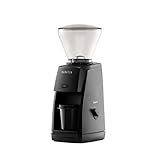
Notice the pattern across all three: specialty tools, gift-favorite home goods, and limited-color consumer products. None of them are the kind of thing a retailer needs to slash 40% on to move units — they already move on their own. The scarcity risk is the real cost of waiting, not the sticker price.
Wait for Black Friday: the categories where the discount is real and repeats every year
On the other end, some categories are essentially built around the November sale calendar. Manufacturers and retailers plan their biggest markdowns of the year for this exact window, the discounts are consistent from year to year, and — critically — stock for these categories is usually replenished heavily ahead of the sale precisely because retailers know demand will spike. Buying in October on these items is close to guaranteed regret.
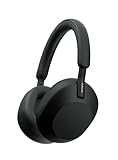
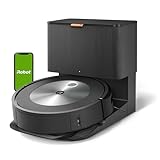

What connects these three: mass-produced, not limited-run; used by retailers to advertise the sale itself; and a discount pattern that repeats almost identically year over year. When a product checks all three boxes, waiting is nearly free money.
Buy now vs. wait, category by category
| Category | Buy now or wait | Why |
|---|---|---|
| Specialty coffee gear (grinders, scales, pour-over kit) | Buy now | Steady demand year-round, minimal discount history |
| Gift-favorite home goods (weighted blankets, cozy sets) | Buy now | Popular sizes/colors sell out before the sale even starts |
| Limited-color drinkware and collabs | Buy now | Availability risk, not price, is the real cost of waiting |
| Premium headphones and audio | Wait | Consistent, meaningful discounts every year at this event |
| Robot vacuums and big-ticket smart home | Wait | Used as headline doorbusters; deepest discounts of the year |
| Mass-market kitchen appliances (multicookers, air fryers) | Wait | Predictable, near-annual price drop, restocked heavily |
| TVs and large electronics | Wait | Same reasoning as appliances — the sale is the whole strategy |
| Newest-generation tech (just-released model) | It depends | Brand-new releases rarely discount; last-gen models often do |
The grey area: when "it depends" is the honest answer
Not everything sorts cleanly. A handful of situations genuinely require you to check the specific product rather than the category.
Brand-new releases. A product that launched in the last two or three months almost never gets discounted its first Black Friday — manufacturers protect launch pricing. It's the previous generation that typically gets marked down hard as retailers clear space. Before paying full price in October, check whether last year's model covers what you need for meaningfully less come November.
Anything with a size or fit component. Clothing, shoes, and some furniture are hybrid cases — the category does get discounted at Black Friday, but popular sizes vanish early, same as gift-favorite home goods. If your size is already limited, that tips the decision toward buying now.
Anything you need before a specific date. A gift for a birthday or trip in late October can't wait for a sale weeks later, no matter how good the historical discount is. A deadline overrides the strategy every time.
The actual game plan for the next six weeks
Here's how to use this without turning your list into a spreadsheet. In October, buy anything specialty, anything with a color or size that matters, and anything gift-favorite that historically sells out — weighted blankets, popular tumblers, cult kitchen tools. Keep a running note of the big-ticket items you're tempted by — vacuums, headphones, TVs, mass-market appliances — and let it sit through October and early November. Those categories are built for patience.
In the two weeks before Thanksgiving, revisit that list and start price-tracking, since some retailers roll out early pricing before the actual day. If anything on your "buy now" list is still unclaimed by early November, the stock risk has mostly passed and it's fine to keep watching for a smaller markdown — just don't count on one.
FAQs
Is it ever safe to wait on a gift-favorite item like a weighted blanket?
It's safe if you don't care about a specific color or size, or if you're buying for yourself and are genuinely fine with whatever's left. The risk is specifically for anyone shopping for a particular person who wants a particular version — that's exactly what runs out first in gift-heavy categories.
Do robot vacuums actually get discounted 30-40% on Black Friday?
For popular mid-to-upper-tier models, yes, that range is fairly typical historically, though the exact number varies by model and retailer each year. This is one of the most reliably discounted big-ticket categories, which is why it's one of the clearer "wait" recommendations in this piece.
What if the item I want is a brand-new release?
Expect little to no discount on its first Black Friday. Manufacturers generally protect pricing on recently launched products for at least one holiday season. If budget matters more than having the newest version, look at whether last year's model — which often does get discounted hard — covers what you actually need.
Should I buy kitchen appliances now or wait?
For mass-market appliances like multicookers and air fryers, wait — this category has one of the most consistent, predictable Black Friday discount patterns of anything sold online. For specialty or niche kitchen tools with steady year-round demand, like a dedicated espresso grinder, buying in October usually costs the same as buying in December.
How early do popular colors or sizes actually sell out?
For genuinely popular gift items, it can start as early as mid-October and accelerate through November. There's no universal date, which is exactly why "buy now" is the safer call for anything where a specific size or color matters to the person receiving it.
Is it worth price-tracking items instead of just guessing?
Yes, especially in the two weeks before Thanksgiving, when some retailers begin rolling out early Black Friday pricing ahead of the actual day. Price history tools can also show you whether a "deal" is actually lower than a price the item hit a few months earlier — sometimes a November "sale" price isn't actually the lowest price of the year.
What's the single biggest mistake people make with Black Friday timing?
Treating every category the same way. The instinct to wait for everything makes sense on big-ticket electronics and mass-market appliances, but applied to gift-favorite or limited-run items, it just means losing the specific version you wanted for a discount that was never going to be very large in the first place.