Quick note before we start: I'm not a doctor and this isn't medical advice. Talk to yours before starting any supplement, especially if you're pregnant, on medication, or managing a condition. What follows is what the research generally supports and what I, a regular human in my mid-thirties, actually take.
Something nobody tells you about turning 30: your body files a quiet little memo to itself. Sleep gets weirder. Recovery takes longer. The hangover from one glass of wine feels personal. And the multivitamin you've been ignoring since college suddenly feels less optional. The vitamin aisle is mostly noise, but a small handful of them are genuinely worth the shelf space, and a few popular ones aren't. Here's the short list.
The honest quick answer
If you do nothing else, three move the needle for most adults past 30: vitamin D3 with K2, magnesium glycinate, and creatine monohydrate. That's it. Add omega-3 if you don't eat fatty fish twice a week, and a B-complex if you eat plant-based. Everything else is a personalization question for your doctor and your bloodwork.
Vitamin D3 (with K2)
Roughly 40% of American adults are deficient in vitamin D, and the number climbs with age, indoor jobs, and darker skin. Low D affects mood, bone density, immune function, and sleep. The fix is unglamorous: 2,000–5,000 IU daily of D3, ideally paired with K2 (which directs calcium into bones instead of arteries). Take it with a meal that has some fat — D is fat-soluble. If you've never had your levels tested, ask for a 25-hydroxy vitamin D test at your next physical.
Magnesium glycinate
If you've ever wondered why you wake up at 3 a.m. for no reason, or why your shoulders feel like granite, or why your legs cramp in the middle of yoga, magnesium is often the missing piece. Most adults get about half what they need. Glycinate is the form that matters — citrate sends you to the bathroom, oxide barely absorbs. Take 200–400 mg about an hour before bed. Within a week most people notice deeper sleep and calmer evenings.
Pair it with a real wind-down routine. A weighted blanket actually does something measurable for nervous-system regulation, and blackout curtains are a non-negotiable past 30 because your melatonin production drops and any stray light wrecks it.


Creatine monohydrate
The most-studied supplement on earth and the most undersold one for people past 30, especially women. Creatine isn't a bro thing. It's a brain and muscle thing. Five grams a day. Mixed into your coffee, water, or whatever. The research links it to better cognitive performance, preserved muscle mass (which you start losing in your 30s whether you lift or not), better recovery, and even mood support during stress. There is genuinely no downside for healthy adults.
You don't need fancy creatine. The cheap monohydrate is the one in every study. Don't overthink it.
Omega-3 (EPA + DHA)
If you eat salmon, sardines, or mackerel twice a week, you can probably skip this. If you don't — most of us — a daily fish oil with at least 1,000 mg combined EPA and DHA is one of the most boring, effective things you can do for inflammation, heart health, and brain aging. Look for a third-party tested brand (IFOS or USP). Fishy burps mean it's gone rancid; toss it. Algae-based versions exist for vegetarians and they work.
A B-complex (especially if plant-based)
B12 doesn't live in plants. Folate (B9) needs are higher in women of reproductive age. B6 supports a hundred different reactions. A standard B-complex covers all of it for about $15 and you take it for breakfast. If your urine turns highlighter-yellow afterward, that's normal — it's the riboflavin, not a sign your money's going down the drain.
The supporting cast (not vitamins, but they matter)
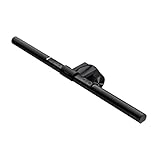
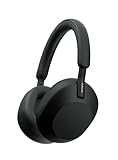
Vitamins do approximately nothing if you're chronically dehydrated, sleep-deprived, or staring at a screen for ten hours with no eye care. The boring lifestyle stuff is the actual multiplier.

What I'd actually skip
- Mega-dose multivitamins. Most of it gets peed out. Some of it (iron, vitamin A) is genuinely risky in excess. Targeted beats shotgun.
- Greens powders. $80/month for what amounts to a fancy multivitamin and some fiber. Eat a salad.
- Most adaptogens at consumer doses. Ashwagandha and rhodiola have real research, but most products underdose them dramatically. Read the label, look up the studied dose.
- Collagen for skin. The evidence is thinner than the marketing. If you like it in your coffee, fine. Don't expect miracles.
The brain-and-mood book worth owning
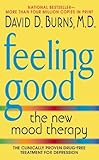
Half of "I need a supplement" is actually "I need to address chronic low mood or anxiety." Vitamins help at the margin. CBT helps at the foundation. Feeling Good by David Burns is the most-recommended self-CBT book by therapists for a reason — it's old, it's clinical, it works. Pair it with the magnesium and the D3 and you've covered more ground than any $200 supplement stack.
How to actually take them (the part nobody covers)
The best supplement is the one you take. A few unsexy logistics that decide whether your $200 in bottles works:
- Stack with a habit you already have. Coffee, brushing teeth, putting on your watch. The vitamin lives next to that habit, not in a drawer.
- Take fat-soluble ones with fat. D, K, A, E. Empty stomach barely absorbs them.
- Magnesium at night, B-complex in the morning. One winds you down, the other revs you up.
- Get bloodwork once a year. Vitamin D, B12, ferritin, thyroid panel. The whole point is dialing this in to your body, not a generic stack.
FAQs
Is this medical advice?
No. I'm a wellness-curious person past 30, not a clinician. Talk to your doctor before starting any supplement, especially if you take medication, are pregnant or nursing, or have a chronic condition. Some supplements interact with prescription drugs in serious ways.
Do I need a multivitamin?
For most healthy adults eating a reasonably varied diet, no. Targeted supplementation based on your bloodwork, dietary pattern, and life stage outperforms a one-size-fits-all multi. The exceptions: pregnancy, restrictive diets, malabsorption issues, and certain medications.
Can I take all of these together?
Generally yes — D3, magnesium, creatine, omega-3, and a B-complex play well together. The most common timing setup is B-complex and creatine in the morning, D3 with breakfast or lunch (with fat), omega-3 with any meal, and magnesium glycinate before bed. Run it past your doctor or pharmacist if you're on any medications.
Is creatine safe for women?
Yes. Decades of research show creatine monohydrate is safe and effective for healthy adult women, and the cognitive and recovery benefits may matter more for women past 30 than for men. It does not cause bloating in the way social media suggests at the standard 5g maintenance dose.
Do supplements actually do anything if I eat well?
Sometimes yes, sometimes no. Vitamin D is hard to get from food alone unless you eat a lot of fatty fish or fortified products. Magnesium is depleted by stress and caffeine, both of which most adults have plenty of. Omega-3 depends entirely on your fish intake. Creatine is dose-dependent and you can't realistically eat enough red meat to hit therapeutic levels. So even with a great diet, a few targeted supplements close real gaps.
How long until I notice anything?
Magnesium glycinate: usually within a week for sleep. Creatine: 2–4 weeks for cognitive and strength effects. Vitamin D: 4–8 weeks to raise blood levels meaningfully. Omega-3: 6–12 weeks for inflammation markers. Patience and consistency matter more than dose.
What about turning supplements into a personality?
Don't. The goal is filling a few well-supported gaps so you sleep better, recover better, and think clearly. If your supplement routine takes longer than brushing your teeth, you've gone too far. The basics outperform the stack.