Twice a year, every closet in America has the same argument with itself. The parkas and wool sweaters are taking up the prime real estate while the tank tops sit in a bin in the garage, or vice versa, and there's never quite enough room for both seasons at once. Vacuum storage bags are the closest thing to a real fix — they compress bulky off-season clothing down to a fraction of its size, keep dust and moths out, and free up an amount of closet space that genuinely surprises people the first time they try it. But they're also one of those products that works brilliantly when you understand what they're actually doing, and works badly — or actively damages your clothes — when you don't.
- Top pickSpacesaver Vacuum Storage Bags (10-Pack)~$28
- Best budgetUtopia Home Velvet Hangers (50-Pack)~$18
- Worth the splurgeBayka Floating Shelves (Set of 3)~$36
This is the honest version: how the bags actually work, what sizes to buy for what garments, which fabrics should never go anywhere near a vacuum nozzle, and a step-by-step routine for doing the swap twice a year without losing an entire Saturday to it. We're not going to pretend every item in your closet belongs in a vacuum bag, because it doesn't, and the "what to skip" list below matters as much as the shopping list.
How vacuum storage bags actually work
The mechanism is simple, which is part of why it's so effective. A vacuum storage bag is a heavy-gauge plastic bag with a one-way valve, usually built into a double-zip or triple-seal track. You load clothing in, zip the seal closed, and run a vacuum hose over the valve to pull the air out. As the air leaves, atmospheric pressure collapses the bag around the contents, and because most of the bulk in folded clothing is trapped air between and inside the fibers, what's left is a flat, dense brick that's a quarter to a fifth the size of what you started with.
That compression does three things at once. It shrinks the physical footprint, which is the obvious win. It also removes most of the oxygen from the bag, which matters because moths, carpet beetles, and mildew all need oxygen and moisture to do damage — a properly sealed, vacuumed bag is a genuinely hostile environment for both. And it creates an airtight barrier against dust, which is the reason clothes that come out of vacuum storage don't need to be laundered again before wearing, unlike clothes that sat in an open bin all summer.
One thing worth knowing before you buy: not all vacuum bags hold their seal equally well. The valve is the part that fails on cheap versions — either it doesn't create a tight enough seal to begin with, or it slowly lets air back in over a few weeks, and you find your "compressed" bin has quietly puffed back up to half its original size by the time you go looking for it in the spring. A double-zip track with a dedicated turbo valve, like the Spacesaver bags above, is the detail that actually determines whether this whole project works six months from now or just for the first week.
Sizing it right: sweaters, coats, and bedding aren't the same problem
The single most common vacuum-bag mistake is buying one size and cramming everything into it. Different categories of off-season items compress differently, and matching bag size to garment type is what keeps things from either wasting space or getting crushed out of shape.
- Sweaters and knitwear — fold flat, don't hang. These compress extremely well since knit fabric has a lot of trapped air between fibers. A medium bag (roughly 24x20 inches) typically holds 8–12 sweaters folded flat.
- Coats and outerwear — need a large or jumbo bag, and should go in loosely folded rather than tightly rolled, since heavy structured fabric like wool coating and canvas doesn't compress as dramatically as knitwear and can develop permanent creases if folded too small before sealing.
- Bedding and comforters — the biggest space win of any category. A queen comforter that takes up half a closet shelf collapses to about the size of a large pizza box in a jumbo vacuum bag. This is genuinely the best use case for vacuum storage, full stop.
- Shoes and boots — skip vacuum bags entirely for these. Compression crushes structured footwear out of shape, and the plastic doesn't let leather or suede breathe. A closed bin or the original shoebox is the better call.
As a rule of thumb: soft, flexible, knit or woven fabric compresses well and bounces back fine. Structured, stiff, or shaped items don't compress cleanly and often don't need to — a coat closet with three fewer coats hanging in it already frees up meaningful space without vacuum-sealing anything.
What not to vacuum-seal — down and some wools lose loft
This is the part most vacuum bag marketing conveniently leaves out: compression is not universally safe for every fabric, and a few common closet items get genuinely damaged by it.
Down jackets and comforters are the clearest case. Down insulates by trapping air between thousands of tiny feather clusters — that's literally what "loft" means. Vacuum-compressing a down item for months at a time crushes those clusters flat, and unlike a wrinkle that shakes out, compressed down doesn't always spring back to its original loft even after airing out for days. If you own a genuinely good down jacket or a down comforter, store it loose and uncompressed in a breathable cotton bag instead — you'll sacrifice some space savings to keep it actually warm next winter.
Structured or thick wool — heavy wool coats, boiled wool, and some cable-knit sweaters — has similar issues. Wool fiber has natural crimp and spring that gives it insulating power and shape retention, and long-term heavy compression can flatten that crimp in ways that don't fully recover. A lightweight wool cardigan folded and vacuumed for a season is generally fine. A structured wool overcoat pressed under vacuum compression for six months is a coat that may never quite hang the same way again.
Anything damp or worn is the other real risk, and it has nothing to do with fabric type. Never vacuum-seal clothing that hasn't been freshly laundered and fully dried. Body oils, deodorant residue, and any trace of moisture get sealed into an airtight, low-oxygen environment for months, which is exactly the setup for mildew and set-in stains. Wash everything, let it dry completely — actually completely, not "dry to the touch" — and only then seal it.
The seasonal closet swap, step by step
The routine that actually works, done twice a year:
- 1. Sort before you wash. Pull everything from the outgoing season into three piles: keep and store, keep and wear (the handful of transitional pieces that overlap both seasons), and donate. Be honest about the donate pile — anything you didn't wear last season won't get worn next time either.
- 2. Launder everything going into storage. No exceptions, even for items that "look clean." This is the step people skip and regret in April.
- 3. Sort by compression-safe vs. not. Down and structured wool go into breathable bins or garment bags. Everything else — cotton, synthetic, lightweight knits, bedding — is fair game for vacuum bags.
- 4. Fold and load bags by category, not by outfit — all sweaters together, all bedding together — so that when you go looking for one specific thing in six months, you're not unsealing five bags to find it.
- 5. Seal, vacuum, and label. A strip of painter's tape and a marker noting contents saves real time later. Store flat, not standing on end, since standing bags are more prone to slow leaks at the seal.
- 6. Reclaim the space for the incoming season's clothes. This is the actual point of the whole exercise — the swap only feels worth it if the freed-up space gets used for something.
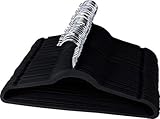
For the clothes staying in rotation through the transition — the layering pieces you'll wear in both September and November — swap the hangers, not just the clothes. Thin, non-slip hangers let you fit noticeably more into the same closet rod length, which matters most exactly when you have two seasons' worth of transitional pieces hanging at once.
Where the compressed bags actually go
Compressed vacuum bags are flat, but flat still needs a landing spot, and shoving them onto an already-crowded closet shelf defeats half the purpose. Two products solve this without a closet renovation. Floating shelves added above the closet rod or on an adjacent wall give flat, stackable bags a dedicated home that doesn't compete with anything else — vacuum bags are close to ideal shelf items since they're already uniform and thin once sealed.

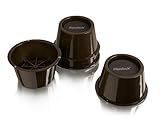
If the plan is under-bed storage instead — which is where a lot of vacuum-sealed bedding and off-season clothing ends up — the limiting factor is usually clearance height, not floor space. Furniture risers lift the bed frame just enough to fit flat, compressed bags underneath cleanly, rather than wedging them in at an angle where they catch on the frame every time you pull one out.
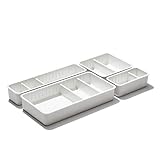
And for the drawer-level stuff that never leaves the closet — belts, scarves, the accessories that don't compress and don't need to — a drawer organizer keeps the swap from turning into a junk drawer of loose items once the bulky seasonal pieces are out of the way.
What to skip
Skip vacuum-sealing anything down-filled — jackets, comforters, pillows — since compression crushes the loft that makes them warm, and it doesn't reliably bounce back. Skip structured wool coats and anything with shoulder padding or a tailored shape for the same reason; a garment bag on a hanger protects the shape, while a vacuum bag flattens it. Skip shoes and boots entirely, and skip sealing anything that isn't completely clean and completely dry, since an airtight bag with any residual moisture is a mildew incubator, not a storage solution. And skip the cheapest bargain-bin vacuum bags with a single flimsy zip track — the valve failure rate is high enough that you'll open the bin in six months to find a bag that silently re-inflated and did nothing for you all season.
Frequently asked questions
Do vacuum storage bags actually damage clothes?
Not for most fabrics. Cotton, synthetic blends, and lightweight knits compress and decompress without lasting harm. The real risk is limited to down (loses loft under long-term compression) and structured or heavy wool (can lose its natural crimp and shape). For everything else, vacuum sealing for a single season is safe.
How long can clothes safely stay in a vacuum-sealed bag?
A single season — roughly 3 to 6 months — is fine for almost any compression-safe fabric. Beyond about a year, even safe fabrics can start to hold permanent creases from sustained pressure, so it's worth avoiding vacuum bags as true long-term (multi-year) storage for anything you plan to wear again looking crisp.
Can I use vacuum storage bags without an actual vacuum cleaner?
Most vacuum storage bags work with any standard vacuum hose attachment, which covers the vast majority of households. Hand-pump versions exist for travel but remove noticeably less air than a vacuum cleaner, so the compression and space savings are smaller.
Why did my vacuum-sealed bag re-inflate on its own?
Almost always a valve or seal failure — either the zip track wasn't fully closed before vacuuming, or the bag is a cheaper single-seal design that slowly lets air leak back in over weeks. A double-zip bag with a dedicated turbo valve holds compression far longer than single-track budget versions.
What's the best way to store off-season shoes if not in a vacuum bag?
A closed, breathable bin or the shoes' original box works better than a vacuum bag, since compression crushes structured footwear and plastic traps moisture against leather or suede. Add a moisture packet if the storage space runs humid.
Is it worth vacuum-sealing bedding specifically?
Yes — bedding is the single best use case. A queen comforter or a set of extra blankets takes up an enormous amount of shelf or closet space uncompressed, and vacuum sealing shrinks that down dramatically with essentially no downside, since bedding fabric isn't structured and bounces back fully once unsealed.