Under-bed storage is the most overlooked square footage in an apartment. The average queen-sized bed has about 40 cubic feet of clearance beneath it — more than most hall closets. The difference between using it well and not using it at all is almost entirely about the containers you pick and whether you measure your clearance before buying anything.
Step one: measure before you buy anything
Standard under-bed storage containers are designed for roughly 6 to 7 inches of clearance. Platform beds and beds on risers have different clearances. Before buying any container, measure the distance from the floor to the bottom of your bed frame. Then subtract one inch as a margin.
The vacuum bag approach: for seasonal clothing
The Spacesaver vacuum bags are the best use of under-bed space for seasonal clothing. You compress a full winter wardrobe into flat bags about the thickness of a folded sweater, slide them under the bed, and forget about them until the season changes. The 10-pack includes multiple sizes and the hand pump works reliably through dozens of uses.

The riser approach: more clearance, more options
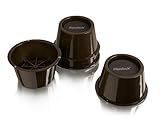
If your bed is sitting on the floor or on a very low frame, furniture risers change the math entirely. The Slipstick 3-inch risers are designed for this — non-slip base, rated for beds and sofas, and they add exactly enough height to fit most standard under-bed containers without making the bed feel elevated.
For things you need to access regularly
Sealed vacuum bags are not useful for things you need monthly — shoes, off-season accessories, extra linens. For those, a rolling container with a lid is the answer. Look for ones with wheels (not just handles) so you can actually pull them out without moving the bed. Hard sides keep the container from collapsing when stacked or slid under low frames.
The pantry hack no one talks about
Under-bed space in a small apartment can store non-perishable pantry overflow — canned goods, bulk grains, paper products. The OXO POP containers are overkill for this but if you are already using them in the kitchen, the wide-base versions slide under most beds and seal airtight against pests.

What to skip
Open-weave fabric bins without lids. Everything in them collects dust and you will be pulling out dusty items in six months.
Containers taller than your clearance minus one inch. They will not slide out without tilting, and you will stop using them.
Cardboard boxes. They collapse, attract pests, and make the whole system look temporary even when it is not.
How much clearance do most beds have?
Platform beds: 6 to 9 inches. Standard frames with box spring: 12 to 18 inches. Beds on risers: add 3 to 6 inches to whatever you start with. Measure the specific clearance for your bed before buying any container — "fits under most beds" on a product label is not a reliable guarantee.
Are vacuum storage bags safe for long-term clothing storage?
For most clothing, yes. Avoid using them for down-filled items (compressing down for too long can damage the fill permanently) and natural wool items prone to moth damage — add cedar blocks in those cases. Cotton, synthetic, and blended fabrics store fine compressed for a full season or two.
What is the best way to organize what goes under the bed?
Group by season and access frequency. Seasonal items you touch twice a year (heavy coats, holiday items) in vacuum bags at the back. Items you access a few times per season (extra linens, shoes) in rolling containers near the edge. Label everything on the side that faces you when you pull it out.
Will under-bed storage damage hardwood floors?
Dragging hard plastic containers can scratch hardwood. Use containers with wheels or put a felt pad on the bottom of non-wheeled containers. The Slipstick risers have a non-slip rubber base that will not mark floors.
How do I deal with dust under the bed while using storage?
Use lidded or sealed containers — dust falls on top, not inside. Vacuum the floor under the bed once a month when you do your regular vacuum. Containers with a gasket seal are the most dust-resistant for long-term storage.