The towels most of us own are fine. They dry you off, they fold, they sit on the towel bar. But if you've ever checked into a nice hotel and felt that first thick wrap after a shower — that cloud-weight, still-fluffy-after-a-week sensation — you've already noticed the gap. The good news: upgrading your towels is not expensive, it doesn't require a specialty linen store, and the difference in daily quality of life is embarrassingly large for how cheap the fix is.
GSM: the one number you actually need to know
GSM stands for grams per square meter. It's the density of the towel's fabric, and it's the single most important spec — more than brand, more than thread count (which doesn't apply to towels the way it does to sheets).
- 300–400 GSM: Thin, fast-drying gym and travel towels. They dry in 20 minutes on a hook. Not luxurious but they prevent mildewy-damp-towel smell.
- 450–600 GSM: The sweet spot for home bathroom use. Absorbent enough to feel substantial, light enough to dry between showers. Most hotel towels land here.
- 700–900 GSM: Thick, plush, spa-weight. Feel incredible on day one. Dry slowly, so in a bathroom without great airflow they can start smelling musty. Worth it only if you have a heated towel bar.
Buy one thing based on this article: look for 550–600 GSM Turkish cotton. That's the hotel-towel zone, available for $15–35 per towel on Amazon.
Turkish cotton vs Egyptian cotton vs microfiber
Turkish cotton has long, strong fibers that get softer with every wash, dry faster than Egyptian cotton, and hold their structure for years. It's the material used in the best hotel towels. If you're only reading one recommendation: Turkish cotton, 550–600 GSM, white or stone.
Egyptian cotton has an even longer fiber ("extra-long staple" or ELS) that creates a silky, heavy feel. The real stuff is extraordinary. High GSM Egyptian cotton takes a long time to dry, so it's best for bathrooms with heated bars or strong ventilation.
Microfiber is synthetic and extremely fast-drying. Genuinely good for the gym, the car, travel, and kids' bathrooms. It doesn't have the softness of cotton, but it doesn't mildew. Keep a few for utility use.
Waffle weave vs terry cloth
Terry cloth is the classic looped pile. Absorbs water quickly and produces that plush, familiar feel. Done well, it's excellent. The problem: thick terry takes 6–12 hours to fully dry on a bar, which is why bathroom towels smell damp by day three.
Waffle weave is the grid-patterned, thinner option you see in design-forward bathrooms. Dries in under two hours, gets noticeably softer over time. Less immediately absorbent than thick terry, but for most people the difference is imperceptible — you're dry either way. If you have poor bathroom ventilation, waffle weave is a meaningful upgrade over heavy terry for daily use.
Have both. Good terry for post-shower luxury, waffle weave for beach/gym/travel. The waffle set also rotates in when the terry is in the wash.
What hotel towels actually are
The towels at a Marriott or Westin are usually a 550–600 GSM white Turkish cotton terry towel from a hospitality supplier, bought in bulk. They feel incredible because: (1) they're the right weight, (2) they're washed in commercial machines with correct detergent amounts and hot water, (3) they're tumble-dried completely and folded immediately, (4) they're white so they get bleached regularly. You can replicate this at home with zero specialty shopping. Buy white. Wash hot. Dry completely before folding. Don't use too much detergent. This is 90% of why hotel towels feel different from yours.
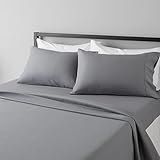
While you're upgrading your bathroom linens, the Amazon Basics microfiber sheet set is a similar "actually good for the price" story in the bedroom:
How to wash towels so they stay fluffy
The biggest enemy of fluffy towels is detergent buildup. Most people use 3–4 times more detergent than necessary. The residue coats the fibers and makes them stiff over time. Use half the amount the cap suggests, especially in a high-efficiency (HE) machine.
The full protocol:
- Wash separately from clothes — fabric softener residue from clothing transfers to towels and coats fibers.
- Hot water, full cycle.
- Half the normal detergent dose.
- Add half a cup of white vinegar to the rinse cycle every three or four washes — strips detergent buildup without softener residue.
- Tumble dry on medium heat, not high. Remove promptly. Give a firm shake to fluff the pile.
- Never use fabric softener on towels. It coats fibers with a wax-like layer that destroys absorbency. This is probably the single most common mistake.
What to skip
"Bamboo" towels — processed with harsh chemicals that strip the "natural" properties the branding promises. The resulting fabric pills quickly and doesn't hold up to frequent washing.
Very cheap thick terry bath sheets — a 35x70" bath sheet at $12 uses low-grade short-staple cotton and thin GSM. It will thin and pill within a year.
Anything marketed as "quick-dry AND ultra-plush" — these are physically opposed properties. Pick one.
FAQs
What GSM is best for bathroom towels?
For most bathrooms, 550–600 GSM hits the sweet spot: plush and absorbent enough to feel luxurious, but light enough to dry on a towel bar between showers without going musty. Go higher (700+) only if you have a heated towel bar or excellent bathroom ventilation.
Is Turkish cotton actually better than regular cotton?
Yes, meaningfully. Turkish cotton uses longer staple fibers that get softer with each wash rather than pilling and thinning over time. The difference is noticeable by the third or fourth wash when most cheap cotton towels start to feel rough.
Why do my towels smell musty even right after washing?
Almost always one of two things: too much detergent left in the fibers (doesn't fully rinse out, then bacteria feed on it), or the towels didn't fully dry before being folded. Fix: halve your detergent dose, run an extra rinse, and make sure towels are bone-dry before folding.
Should I use fabric softener on towels?
No. Fabric softener coats fibers with a waxy residue that reduces absorbency and builds up into permanent stiffness. Use white vinegar in the rinse cycle instead — it softens fibers, strips buildup, and leaves no scent after drying.
What's the difference between a bath towel and a bath sheet?
Size only. A standard bath towel is around 27x54 inches; a bath sheet is 35x70 or larger. Bath sheets feel more luxurious and wrap-around for taller people, but take significantly longer to dry and require more storage space.
How often should I replace my towels?
Good towels washed correctly last 3–5 years with regular use. Signs it's time: they're thinning noticeably, the pile has pilled or gone rough even after washing, or they're holding odors despite a clean wash. White towels you can bleach will outlast colored ones.
Is waffle weave or terry better for everyday use?
Waffle weave wins for practicality in most bathrooms — it dries in under two hours, so it doesn't sit damp all day. Terry feels more traditionally luxurious. If you have a heated towel bar or very good ventilation, high-GSM terry is the more indulgent choice.