I have stood in a parking lot for eleven minutes after arriving home because I refused to stop the audiobook. I have taken the long route — three extra stops, fifteen extra minutes — because I was three chapters into something I could not pause. I have absolutely, definitely, been late to a meeting because a narrator whispered a plot twist in my ear at the exact moment I should have been walking through the door. If any of this sounds familiar, this list is for you.
Thriller audiobooks hit differently than thrillers on the page. The right narrator adds a layer of dread, intimacy, and momentum that print can't replicate. A bad narrator ruins a great book. This list covers both: the books worth losing your commute to, and what to skip.
New to Audible? A free trial gets you one credit (one audiobook, free) and 30 days of access to the Plus catalog. For any commuter, that's an easy yes. Start your free Audible trial →
The ones that will genuinely make you miss your stop
These are the books I think about when someone says "I don't really listen to audiobooks." They're the gateway drugs. Every single one has a narrator who earns their billing, and a pacing problem that manifests as: you cannot stop. Fair warning on all of them.
The Midnight Library by Matt Haig is not a traditional thriller — it's more of an existential suspense novel — but the audiobook format turns it into something urgent and almost unbearable in the best way. Carey Mulligan narrates. It's an eleven-hour argument for being alive. Listen on a long drive and bring tissues.

For pure plot-driven thriller energy, Atomic Habits is not a thriller — but I mention it because audiobook listeners who discover how useful a commute can be for non-fiction sometimes need a gateway. The real thriller recommendations need the right hardware, which we'll get to.
The gear question: can you hear it properly?
This matters more than people admit. A mediocre narrator in truly great headphones sounds dramatically better than a great narrator through busted earbuds. And with thriller audiobooks specifically, the whispered lines, the tense silences, the unreliable narrator breaking down — you need headphones that actually render that dynamic range. Two picks that cover the spread:
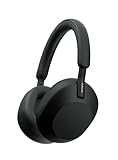
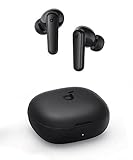
The Audible membership question: trial vs. monthly
Let's be direct. If you commute five days a week and you're not on Audible, you are leaving forty-five minutes of entertainment and learning on the table every single day. A monthly membership is one credit per month — one free audiobook — plus access to thousands of Plus catalog titles at no extra cost. The math makes sense for almost any regular commuter.
If you're not sure yet, the free trial is a no-brainer: one full credit, thirty days, cancel anytime. You get to keep the book even if you cancel.
Start your free Audible trial →
Five more thrillers worth your commute credit
Past the obvious Mulligan-narrated gem, here are the other audiobooks in the thriller-adjacent space that consistently generate the "I just stood in my parking lot for 12 minutes" effect:
Anything by Tana French. The Dublin Murder Squad series is peak literary thriller. The narrators vary by book, but all of them are excellent. In the Woods is where to start. The pacing is slow by commercial thriller standards and then suddenly it isn't, and that whiplash is what makes it devastating.
Donna Tartt's The Secret History. Technically not a thriller — the "whodunit" is answered in the prologue. What follows is ten-plus hours of psychological unraveling told in the first person, narrated by the always-steady Bronson Pinchot. One of those listens where you finish and feel faintly disoriented for a day.
Catriona Ward's The Last House on Needless Street. Multiple narrators, multiple unreliable perspectives, a structure that keeps folding back on itself. The audiobook format genuinely makes this better than the print version because you track the voices differently. Do not read spoilers. Go in completely blind.
Laura Dave's The Last Thing He Told Me. This one made the rounds a few years ago and for good reason — it's a lean, fast thriller about a woman uncovering her husband's secret life. The narrator keeps the momentum clinical and anxious in the exact right proportions. Perfect for a morning commute when you want your heart rate up before coffee.
Gillian Flynn's Gone Girl. If you've somehow never listened to this one: Julia Whelan and Kirby Heyborne narrate alternating perspectives, and the way the dual narration is used makes the twist land harder than in print. Flynn wrote it knowing the audiobook audience would catch things differently. She was right.

The "what to skip" angle: when audiobooks go wrong
Not every thriller translates to audio. A few things to watch out for before spending a credit:
- Heavily plot-diagram-dependent thrillers. If the book has family trees, maps, or a dozen characters you need to track by name, audio is harder. Dan Brown is a great example — fun books, difficult listening because the exposition-to-plot ratio doesn't work aurally the same way.
- Celebrity narrators who are bad narrators. A household name attached to a memoir or novel doesn't mean a good performance. Listen to the sample — always — before committing a credit.
- Abridged versions. Always check. An abridged thriller cuts scenes and subplots that matter. The twist lands differently when it's missing three chapters of setup. Pay the extra dollar for unabridged, always.
- Anything over 20 hours if you commute less than 45 minutes. This is a personal rule: a 25-hour audiobook on a 20-minute commute is a months-long commitment that often stalls. Lean towards 8–14 hours for the listening experience that creates the parking-lot-loitering behavior.
Building the habit: how to actually use audiobooks on a commute
The problem most people have isn't finding the book — it's building the habit of actually pressing play. A few things that help:
First: leave Audible as the last app you used before you got off the train or out of the car. It auto-resumes from where you stopped. There's no friction, no "where was I" — just resume and go. Second: don't save audiobooks for commutes only. Dishes, laundry, a walk around the block — all of it becomes listening time. Twenty minutes a day is a book every two to three weeks. Third: if a book isn't grabbing you by hour two, drop it. The sunk-cost fallacy kills listening habits. You get a credit — you can swap.
Ready to start? Your first credit is free — no commitment, cancel anytime, and you keep whatever audiobook you download. There's no better time to find your first parking-lot book.
Start your free Audible trial →
FAQs
Is Audible actually worth paying for monthly?
For regular commuters: almost certainly yes. One credit per month covers one audiobook, but the Audible Plus catalog — included with membership — adds thousands of titles you can listen to without spending credits. If your commute is 30+ minutes each way, the math works out to pennies per hour of entertainment. Start with the free trial and see how much you listen in 30 days.
What's the difference between an Audible credit and Audible Plus?
An Audible credit is like a token you spend on one specific title — any title in the store, regardless of price. Audible Plus is the streaming catalog included with your membership (similar to Kindle Unlimited for books, or Prime Video for movies). Many newer and popular titles require a credit; backlist and midlist titles are often available in Plus for free.
What makes a good thriller audiobook vs. a mediocre one?
Narrator performance is 80% of it. A great narrator creates distinct character voices, controls pacing instinctively, and adds tension through delivery rather than just reading the words. Always listen to the 5-minute sample before spending a credit. Red flags: flat affect, poor character differentiation, clearly reading rather than performing.
Should I listen to thrillers at 1x or faster?
Start at 1x and then experiment. Most listeners settle at 1.25x–1.5x once they're comfortable with the narrator's voice. For very immersive thrillers — particularly ones with multiple narrators or lots of atmosphere — 1x often lands better. For non-fiction on the same commute, 1.5x–2x is efficient. Your app remembers the setting per-title.
What are the best audiobooks for a short commute (under 20 minutes)?
Short commutes favor tightly structured books with clear chapter breaks so you can pause cleanly. Thriller short stories (Stephen King's collections work here), true-crime series (Serial-style), and narrative non-fiction tend to work better than long novel series. Alternatively: use Audible's sleep timer in reverse — set a chapter-end stopping point before you start and commit to ending there.
Can I share my Audible audiobooks with family?
Audible has a Family Library Sharing feature that lets you share titles with one other Amazon household member. Not all titles are eligible, but most major releases are. Each person needs their own Audible account. Check the Audible settings under "Family Library" to enable it.