Here's a sentence that should not be controversial but somehow still is: sunscreen is the single most effective anti-aging product you can buy. Full stop. More effective than retinol, more effective than vitamin C serums, more effective than anything that costs $200 and comes in a glass jar. And yet, the reason most people skip it — or apply a thin, inadequate layer and call it done — is that the sunscreens they've tried have been terrible. Pilling under makeup. Stinging their eyes. Leaving a white cast that makes them look like they've been dusted in chalk. Feeling greasy all day. These are real complaints, and they've been keeping people from a product that is genuinely non-negotiable for long-term skin health.
The good news: the sunscreen market has changed dramatically in the last three years. Korean beauty formulations, mineral-chemical hybrids, and tinted options have solved most of the classic objections. The bad news: there are still a lot of bad sunscreens out there, and the marketing is aggressive. Here's how to cut through it.
Why sunscreens pill — and how to avoid it
Pilling happens when a sunscreen's silicone- or polymer-heavy formula doesn't bond with the moisturizer or primer underneath it, and instead rolls into little balls on the surface of your skin. It's not a makeup problem. It's a layering problem — and usually a sunscreen formulation problem.
The fix is almost always one of three things: wait longer between your moisturizer and sunscreen (90 seconds, minimum — let the previous layer actually absorb), choose a sunscreen that uses a different film-forming agent (look for aqua-based or gel formulas instead of silicone-heavy ones), or use a sunscreen-moisturizer hybrid that eliminates the layering step entirely. Some people find that mineral sunscreens pill less because they sit on top of skin by design rather than trying to integrate into it. Others find the opposite. The only honest answer is that you may need to try two or three formulas before finding one that works with your specific skin + moisturizer combination.
The options below were chosen specifically because they have unusually low pilling rates based on consistent real-world feedback — and because they don't sting, don't leave a significant white cast, and can be worn daily without wanting to wash your face at noon.
The best everyday sunscreens (the ones we actually reach for)
These are the daily-drivers — lightweight, non-greasy, layerable under makeup or worn alone. All SPF 50 or equivalent. All dermatologist-appropriate. None of them are going to make you look like you've rubbed a glue stick on your face.
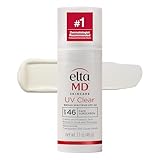
EltaMD UV Clear SPF 46 — The one dermatologists recommend most consistently, and for good reason. It's lightweight, fragrance-free, contains niacinamide (calming for sensitive and acne-prone skin), and goes on completely sheer. No white cast, no pilling, no stinging. It's a chemical-mineral hybrid (zinc oxide + octinoxate), which means broad-spectrum coverage without the heavy feel of a pure mineral. The $38 price is real — this isn't a drugstore budget pick — but it's the sunscreen that people use for years without switching.
La Roche-Posay Anthelios Melt-In Milk SPF 60 — The French pharmacy sunscreen that has an almost cult following among estheticians. It uses a patented Mexoryl SX+XL filter system that's more stable than some US-standard chemical filters, which means better protection across a full day. The "melt-in milk" texture is exactly that — it absorbs almost instantly and leaves zero residue. SPF 60 gives you real buffer for days when reapplication is tricky. Works beautifully under foundation. The scent is very faint and dissipates immediately.

Best mineral sunscreens (for sensitive skin and reef-safe needs)
Mineral sunscreens use zinc oxide and/or titanium dioxide to physically block UV rays rather than chemically absorbing them. They're the right choice if you have reactive skin, rosacea, or need something reef-safe for beach days. The trade-off has historically been a white cast — but newer formulations have made serious progress here.
Supergoop! Unseen Sunscreen SPF 40 — Technically a hybrid that leans chemical, but included here because it's the closest thing to a perfect primer-feel sunscreen. It's completely clear, fills pores slightly (like a pore-minimizing primer), and feels like nothing on skin within 60 seconds of application. No cast whatsoever. It's also water-resistant, which is unusual for a product this light. The $38 price is consistent with the EltaMD. Worth it if you wear makeup and have given up on sunscreens that don't mess with your base.

Blue Lizard Australian Mineral SPF 50+ — A true mineral (100% zinc oxide + titanium dioxide), reef-safe, fragrance-free, and better at avoiding white cast than most pure minerals because of the particle size used. It's the one to recommend to people who want to stay fully chemical-filter-free. The texture is thicker than the others on this list — patting rather than rubbing it in helps. A favorite for kids, pregnant people, and anyone with genuinely reactive or barrier-compromised skin.

Best tinted SPF (because tinted hides the cast and evens skin tone)
Tinted sunscreens are the cheat code. They address the white cast problem by design — the tint neutralizes the chalky residue and evens out skin tone at the same time. For many people, a tinted SPF fully replaces foundation in the morning. For others, it's just a more polished starting point. Either way, this is where the category is genuinely innovating right now.
ISDIN Eryfotona Actinica Ultralight SPF 50+ — The tinted sunscreen that shows up in every dermatologist's personal routine article. It contains photolyase (a DNA-repair enzyme) in addition to SPF filters, which means it's working on existing UV damage while preventing new damage. The tint is light and sheer — it's not a BB cream, it's more of a skin-evening wash that works for most light-to-medium complexions. A single pump covers the face. The formula is genuinely revolutionary and the price ($55) reflects that. Worth it for the ingredient story alone.

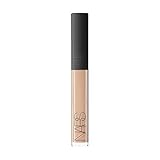
If $55 feels steep for a daily product, NARS Tinted Moisturizer Natural Radiant Longwear SPF 30 is the beauty-world alternative. It's SPF 30 (lower, so reapplication matters more), but the coverage and finish are genuinely excellent — it reads as skin, not makeup, while providing light-to-medium coverage. Available in 30 shades so the tint actually matches. The NARS Radiant Creamy Concealer pairs perfectly with it for targeted coverage.
The reapplication problem — and the products that actually solve it
SPF applied in the morning lasts roughly two hours at full protection, four hours in non-sweating, indoor conditions. Nobody wants to reapply a full liquid sunscreen over makeup at noon. The solutions that actually work:
- SPF setting sprays — mist over makeup, press in with hands or a sponge. Not as effective as a full reapplication but meaningfully better than nothing. The Supergoop! (Re)setting 100% Mineral SPF Powder is the dedicated version of this.
- SPF powders — brush on over makeup. Same caveat on coverage uniformity, but they exist.
- Sunscreen sticks — the most underrated format. You can apply over makeup without disturbing it. The EltaMD UV Stick is the clean option.
- Sun avoidance + protective clothing — an SPF 50 shirt is more reliable than any reapplication. If you're going to be outside for a long stretch, the Stanley Quencher is also a reminder that staying hydrated matters when UV exposure goes up.

What to skip: sunscreens that look good but don't deliver
A lot of sunscreens are marketed with enough force that they end up in everyone's cart at some point. Here's the honest rundown on the ones that consistently disappoint:
Neutrogena Ultra Sheer (the spray version) — The lotion is fine. The spray is not. The aerosol format makes it nearly impossible to apply an adequate, even layer — you'd need to spray far more than anyone does to hit true SPF 70. Sprays are also a regulatory gray area for actual coverage. Stick to lotions or gels.
Banana Boat Sport Ultra SPF 100 — SPF 100 sounds double the protection of SPF 50. It's not. SPF 50 blocks 98% of UVB rays; SPF 100 blocks 99%. The difference is marginal. What's not marginal: this formula stings eyes, breaks many people out, and pills significantly under any kind of facial moisturizer. The high SPF number is doing marketing work that the formula can't actually back up.
Any "SPF 15" daily moisturizer as your only SPF — SPF 15 blocks about 93% of UVB rays and is the minimum for basic protection. For actual skin health and anti-aging, SPF 30 minimum (97% blockage) is the real floor. SPF 15 in your moisturizer used alone is not adequate sun protection. It's better than nothing — but not by as much as the marketing implies.
Anything with a fragrance if your skin is reactive — Fragrance is the number one skin sensitizer in sunscreens. It causes stinging, redness, and over time can actually increase photosensitivity. If you've ever had a sunscreen sting, check the ingredient list for "fragrance," "parfum," or any essential oil. Switch to fragrance-free and the stinging usually resolves completely.
For travel and beach days, keep your sunscreen in a proper toiletry bag so it doesn't leak on everything in your bag:

Is SPF 50 actually better than SPF 30?
Yes, but the difference is smaller than the numbers suggest. SPF 30 blocks about 97% of UVB rays; SPF 50 blocks about 98%. SPF 100 blocks 99%. The more meaningful variable is whether you're applying enough (most people apply 25–50% of the recommended amount) and whether you're reapplying every two hours when outdoors. An adequate amount of SPF 30 beats an inadequate amount of SPF 50 every time.
Why does my sunscreen sting my eyes even when I apply it carefully?
Chemical filters — especially avobenzone, oxybenzone, and octinoxate — migrate into the eye area with sweat and warmth. If your sunscreen consistently stings, switch to a mineral formula (zinc oxide only or zinc + titanium dioxide). Mineral filters don't migrate the same way. EltaMD UV Physical and Blue Lizard are both good starting points.
What's the correct amount of sunscreen to apply to the face?
The clinical standard is 2mg per cm² of skin — which works out to roughly ¼ teaspoon (a nickel-sized amount) for the face alone, and more if you're applying to ears, neck, and chest. Most people apply 20–50% of that. The SPF number on the bottle only applies if you're using the full recommended amount. When in doubt, apply more than feels like enough.
Can I use body sunscreen on my face?
Technically yes, but most body sunscreens are formulated to be water-resistant and durable — which often means they're heavier, more occlusive, and more likely to clog pores or pill under makeup on the thinner, more sensitive facial skin. For daily face use, a dedicated facial sunscreen formulated for that purpose is meaningfully better. Keep the body sunscreen for your actual body.
Do I need sunscreen on cloudy days?
Yes — up to 80% of UV rays penetrate cloud cover. The days people most often skip SPF (overcast, winter, driving) are the days UV exposure sneaks up on them. UVA rays (the ones responsible for aging and some skin cancers) also pass through glass — meaning your car window, office window, and home windows don't protect you the way you might assume. Daily SPF is the right default regardless of weather.
How long does sunscreen last in the bottle?
Most sunscreens have a 3-year shelf life unopened. Once opened, the active ingredients begin to degrade — especially in heat. Don't store sunscreen in a hot car. If yours has gone past the expiration date or has changed in smell, texture, or color, replace it. Expired sunscreen may test at a fraction of its labeled SPF.