Summer sandals fall into two camps: the cheap ones that wreck your feet after three miles, and the ones people dramatically recommend to everyone they know. This list is entirely the second camp. I have walked cities, hiked light trails, and sat at outdoor dinners in all of these, and the verdict is pretty clear on what works.
The one everyone recommends: Birkenstock Arizona
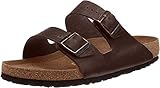
There is a reason every podiatrist, every fashion editor, and every person who has ever recovered from plantar fasciitis owns Birkenstocks. The cork footbed molds to your foot over time, the arch support is real, and they last a genuinely absurd number of years. The Arizona is the classic two-strap silhouette. Buy them a half size up and expect a two-week break-in period — it is worth it.
The adventure sandal: Teva Original Universal
Tevas are having a moment but they have always been good. The Original Universal has four adjustable straps, a contoured footbed, and a rubber sole that handles wet rocks without drama. If you want a sandal that can do a waterfall hike and also look fine at a fish taco stand, this is it. Machine washable, which matters after you hike through anything.

For actual city walking: the arch support matters
Most cheap sandals have zero arch support, which means anything over two miles turns into a foot cramp. The Vionic and OluKai options are both built around orthopedic lasts — they look like regular sandals but have serious support underneath. Worth it if you walk to get places rather than just from your car to a restaurant.

What to skip
Flat foam flip flops under $15. Your arches will hate you by August. The Havaianas above are the minimum acceptable flip flop — anything cheaper is a foot problem waiting to happen on any real walk.
Fast fashion sandals with thin straps. They look good in photos and cut into your feet in real life. The straps stretch out by mid-season.
Wedge sandals for walking. For standing still at a party, fine. For actually getting around, they cause ankle fatigue and blisters at the strap points.
Sandals that can actually do city days
The test for a city sandal: can you walk five to eight miles in them without pain? Birkenstock, Teva, and OluKai pass this test consistently. Most others do not. If you are going somewhere you plan to actually move around in, pay for real arch support.
The break-in reality check
Birkenstocks need about two weeks of short wears before they stop rubbing. Do not take new ones on a long trip immediately — wear them around the house, then for short errands, then for longer outings. Every other sandal on this list is comfortable from the first wear.
How to make them last
Birkenstocks: keep the cork footbed dry between wears, use Birkenstock cork sealant once a year. Tevas: machine wash cold, air dry. Leather-strapped sandals: a light coat of leather conditioner at the end of the season. Basically all sandals last dramatically longer if you let them dry fully between wears rather than just kicking them under a bench wet.
Do Birkenstocks really take that long to break in?
About two weeks of wear to feel fully comfortable, yes. The cork and jute footbed takes time to mold to your specific foot shape. Most people notice the difference around day four or five — the arch starts to feel supportive rather than stiff. Worth it. People who skip the break-in and return them early are missing what makes Birkenstocks great.
What is the best sandal for wide feet?
Birkenstocks are famously wide-foot friendly — they come in regular and wide widths, and the footbed does not narrow at the toe box the way most sandals do. Tevas are also accommodating because every strap is independently adjustable. Avoid sandals with a narrow single toe strap.
Can I wear Birkenstocks in water?
The original cork footbed is not meant to be submerged repeatedly — it will eventually dry out and crack. For water activities, get the EVA foam version of the Arizona (about $50, fully waterproof) or use Tevas. Save the cork ones for dry wear.
Are there sandals with actual arch support under $50?
Tevas are the best combination of real support and lower price. Havianas provide minimal support — fine for short distances, not for real walking. For proper arch support under $50, Tevas or the EVA Birkenstock are your best options.
What sandal works for both casual and slightly dressier occasions?
Birkenstocks, specifically in a neutral colorway like taupe, birch, or black. They read as intentional rather than just sporty, and they work with everything from shorts to a sundress. The Arizona two-strap is more versatile than the Boston clog for this purpose.