Every summer, I end up buying at least one dress I never wear. It's not because I stopped liking dresses. It's because the one I bought looked incredible on the hanger, hit wrong at the hip, gaped at the chest, and was made of a polyester so thin you could read a restaurant menu through it. Sound familiar? This guide is about skipping that dress — and finding the ones that actually work on a real body, in real summer heat, doing real things.
- Top pickAmazon Essentials Women's Midi Dress~$35
- Best budgetFloerns Women's Casual Midi Dress~$28
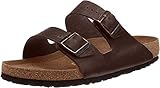
- Worth the splurgeBirkenstock Arizona Sandals~$110
What I've learned after too many years of this: fit and fabric are everything, and they are almost always the two things a product listing tells you the least about. So let's fix that.
What makes a dress actually flattering — and it's not what you think
The fashion industry's shorthand for flattering is "elongating" or "slimming," which is just marketing speak for one specific silhouette. Real flattering means: you put it on, it fits your actual proportions without pulling or gaping, it moves when you move, and you forget you're wearing it within five minutes of leaving the house. That's it. That's the whole game.
A few things that genuinely help:
- Defined waist, not a structured waist. A dress that nips in slightly at the natural waist — through cut, a drawstring, or a self-tie belt — reads as intentional and polished without requiring Spanx underneath. A rigid boning structure does not survive summer humidity and usually fits only one body type anyway.
- Midi length is more forgiving than mini or maxi. A midi hem — roughly knee to mid-calf — hits in a range that flatters most leg proportions and transitions from brunch to dinner without any wardrobe anxiety.
- The right shoulder width matters more than the size label. If the seams of a dress are sitting halfway down your upper arm, nothing else about the fit will work. Measure your shoulder width and use it when available.
- Stretch where it counts. A dress with even 2–5% elastane or spandex in the fabric blend moves with you in a way that pure woven cotton or linen simply doesn't. This matters especially at the chest and hip if you're not a straight sample size.
The fabric guide: linen vs cotton vs polyester in actual summer heat
Fabric choice in summer is not about aesthetics — it's about thermoregulation. Your body is trying to cool itself by sweating, and your dress is either helping or fighting that process.
Linen is the undisputed summer champion. The fibers are hollow and breathe in a way no synthetic can replicate. It wicks moisture away from skin, dries fast, and gets softer with every wash. The tradeoff is real: it wrinkles aggressively. A midi dress in linen will look like you slept in it within twenty minutes of sitting down. A linen-cotton blend (55% linen / 45% cotton) wrinkles somewhat less while retaining most of the breathability. But if you're choosing between looking perfectly pressed and staying actually comfortable in 90°F heat, take the wrinkles every time.
Cotton is the reliable workhorse. A 100% cotton dress in a lighter weave — voile, lawn, or poplin — breathes nearly as well as linen and doesn't wrinkle as aggressively. For summer, look for "cotton voile," "cotton lawn," or "lightweight jersey" — not "cotton twill" or "heavy jersey." Heavier cotton weaves hold heat and get heavy when you sweat.
Polyester is the villain of summer dressing. It's not breathable. Your sweat has nowhere to go. A thin polyester dress in July is a personal sauna you wear to the farmer's market. The only polyester that works in summer is performance poly — the moisture-wicking athletic fabric — and that's not what you're getting in a $22 midi dress. Regular poly also clings, goes static-y, and shows sweat in the most unflattering places. If a fabric description says "100% polyester" and doesn't specify "moisture-wicking" or "performance fabric," hard pass.
Rayon and viscose are in an awkward middle ground. They drape beautifully and breathe reasonably well, but they're fussy — hand wash only, shrink at the wrong temperature, pill quickly. TENCEL (lyocell) is the upgrade version of this family and is genuinely excellent: soft, breathable, sustainable, and more durable than standard rayon. Worth paying a little more for when you see it listed.
The best pairings: what to wear with a summer midi
A great summer dress does most of the work. You don't need to overthink what goes with it. That said, footwear makes or breaks the whole outfit in a way that a bag or jewelry usually doesn't. The two that work every single time: a flat sandal with some structure (not a flip-flop, not a wedge) and white sneakers. Both read as intentional, both work for walking actual distances in summer heat.
If I had to pick one sandal for summer dresses across the board, I'd pick the Birkenstock Arizona. Before you roll your eyes: they've been around since 1774 because they work. The contoured cork footbed supports your arch, so you can wear them all day without the "my feet are ruined" feeling you get from cute-but-flat sandals. The two-strap silhouette works with midi and maxi lengths in a way that ankle straps and slingbacks don't. They take about a week to break in and then you wear them for a decade. Objectively good product.
More summer picks worth knowing
Beyond the three dress picks above, here's what else I'd look at for building a complete summer wardrobe — including the accessories and beauty picks that make a good dress outfit rather than just a good dress.
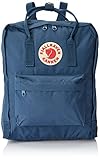
A word on bags: summer dresses often have no pockets, which is an ongoing injustice. The fix is a bag that's light enough not to feel like extra luggage in the heat. Two strong options are the Fjallraven Kånken (backpack, so hands-free, which matters when you're carrying iced coffee and navigating a weekend market) and the Baggu Nylon Crescent Bag (shoulder bag, minimal, wipes clean, tucks neatly under your arm).
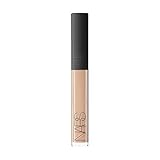
On the beauty front: summer heat and full-coverage foundation don't mix. If you're wearing a summer dress, you're likely going for a lighter makeup look — and the one product worth investing in is a concealer that doesn't slide or oxidize in heat. The NARS Radiant Creamy Concealer has buildable coverage, doesn't crease, and stays put in humidity in a way that drugstore concealers reliably don't.
What to skip — and why thin polyester is a special kind of disappointing
I want to be more specific than "avoid bad dresses," because the patterns are predictable and once you recognize them you stop wasting money.
Thin polyester "chiffon" dresses. These are everywhere in the $18–$30 range. They photograph beautifully with backlighting in lifestyle images, and they are almost always see-through. Not slightly sheer — actually see-through. Every review section has twenty customer photos of people asking "can I wear this without a slip?" The answer is no. Which means you either wear a slip in the worst heat of the summer or you don't wear the dress. Skip the whole category.
Bodycon knits in heavy poly jersey. They cling, they show everything, and they trap heat. Not for summer unless you're going from air-conditioned car to air-conditioned restaurant without doing any actual moving.
Dresses with ruching across the entire midsection. Strategically placed ruching at the waist is wonderful — it creates shape without construction. Ruching from armpit to thigh is styling that photographs well and feels suffocating in person because it compresses and holds heat against your skin. Look at the construction details before you buy.
Non-adjustable waistbands on sizes labeled "XS–3XL." A dress with a fixed elastic waist that's meant to fit six sizes is going to fit none of them particularly well. Adjustable drawstrings, self-tie belts, or a smocked back panel (where the gathering is elastic but spread across a wider area) are much more forgiving across a size range.
Flimsy button-fronts with a gaping center. A cute button-down midi is a summer wardrobe staple. A button-down midi with cheap buttons and no reinforcement is a wardrobe malfunction waiting to happen at the worst possible moment. Check reviews specifically for "buttons pop" or "gaping chest" before ordering.
Putting it all together: building a summer dress wardrobe without regrets
The short version of everything above: you need two or three dresses, not twelve. One in a neutral or classic print (stripes, small floral) that goes with everything. One in a bolder color or larger print that makes you happy when you put it on. Maybe one in a more structured silhouette for evenings or more put-together days. That's the whole wardrobe.
All three should be machine washable. None of them should require a slip. All of them should have enough ease at the chest and hip that you can breathe after eating a full meal. If you try something on and you're pulling at it within thirty seconds of putting it on, that dress will never work — it will only get worse over the course of a day.
Fabric: linen, cotton, or TENCEL for anything over 80°F. Midi length if you want one dress that does the most work. Flat sandals or white sneakers. Done.
FAQs
What is the most breathable fabric for summer dresses?
Linen is the gold standard — hollow fibers, fast-drying, gets softer with washing. If linen's wrinkle-factor drives you crazy, a linen-cotton blend (55/45) is almost as breathable and wrinkles significantly less. Lightweight cotton voile or lawn is also excellent. Avoid polyester unless it explicitly says "moisture-wicking" or "performance fabric."
Are midi dresses flattering on petite frames?
Yes, with the right proportions. A midi that hits at mid-calf can shorten the look if you're under 5'3" — the fix is a slightly higher hem (just below the knee rather than mid-calf) or wearing a nude-to-you shoe, which visually extends the leg. Many Amazon dresses list the model's height so you can gauge where the hem will fall on you. Midi dresses with vertical print elements or a subtle A-line flare work better on petite frames than straight-cut tube silhouettes.
How do I know if a dress will be see-through before I buy it?
Look at the fabric content first: anything listed as "100% polyester" in the $20–$35 range has a high chance of sheerness. Then check the review photos — real customers post them, and the sheer-dress problem shows up instantly in daylight photos. If the listing only has studio photos with backlighting, assume sheer until proven otherwise. Look for dresses that mention a lining or built-in slip in the description.
What size should I order on Amazon for dresses?
Always size up one if you're between sizes and the dress has a defined waist or any fitted element at the hip or chest. Amazon sizing across different brands varies wildly — a medium in one brand is a small in another. Before ordering, check the size chart (the actual measurements in inches, not just S/M/L), read at least 10 recent reviews specifically for fit notes, and check if the brand lists a model's height and what size she's wearing.
Can I wear a summer dress to work?
Depends entirely on your workplace and the dress construction. A linen midi dress in a solid neutral with a defined waist reads as business-casual in most office environments. A floral tiered boho midi is more weekend. The signals that make a summer dress work-appropriate: midi or below-knee length, minimal embellishment, solid or small-scale print, and a neckline that doesn't require a strapless bra situation. Add a blazer or structured cardigan and almost any midi dress clears the bar.
How do I keep a summer dress from clinging or going static?
Static is almost exclusively a polyester problem — natural fibers don't cling the way synthetics do. If you're committed to a poly dress, a light spray of Static Guard in the morning helps, as does running a dryer sheet along the inside hem. A slip is also a fix, but at that point you're doing twice the laundry for a dress that cost $25. Long-term solution: buy cotton or linen dresses and retire the polyester ones.