Most faceless-channel advice is quietly exhausting. Hype-driven finance explainers, true-crime scripts that need a week of research, countdown videos that live or die on a punchy hook. Sleep stories are the opposite genre. The goal is not to grab attention; it is to gently let go of it. Nobody needs a clever thumbnail face or a cold open. They need a calm voice, a slow story, and a video that does not wake them up at minute forty. If you want a faceless project you can actually sustain without dread, this is the one we would point you toward.
The part that used to make it hard was the voice. Recording an hour of soft, even narration at midnight is a real skill, and one cough ruins a take. AI narration has changed that, and it is where we would start.
Audition a calm voice with your own story
ElevenLabs has a free tier (about 10,000 characters a month, no card needed). Paste in the opening of a story, try a few slow, low voices, and see whether one feels like the sound of your channel.
Try ElevenLabs free →Why sleep stories suit a faceless channel
Three things work in your favor. First, the audience wants repetition. People who use sleep content tend to return to the same narrator and the same kind of story night after night, so consistency is the whole product, not a constraint. Second, the visuals can be almost nothing: a slow-moving landscape, a dim illustrated scene, or even a dark screen with a title. Third, the production bar is about evenness rather than flair. A steady, warm, unhurried read beats a dramatic one every time.
A fair warning, though: this is a slow-build niche, and we are not going to promise results. Plenty of channels in this space stay small, and platform rules about monetization change. Treat it as a craft you can enjoy and improve, and let any upside be a bonus.
Pick the voice before you write a word
The voice is the channel. For sleep content you are listening for four things: low-to-middle pitch, slow natural pacing, minimal sharp consonants, and no sudden energy lifts. Bright, upbeat voices that sound great on a how-to video will work against you here. Audition several against the same two minutes of your own script, then listen at low volume with your eyes closed. The right one is the voice you stop analyzing after thirty seconds.
ElevenLabs has a deep library you can filter by accent, age, and tone, which makes this audition step quick. On the free tier you can test with your actual text rather than canned demos. Once you have a voice, stick with it. Listeners who use a channel for sleep notice a changed narrator immediately, and it is the audio equivalent of someone turning on the lights.
Two practical notes. Generate in sections of a few minutes rather than one giant render, so you can fix a single mispronounced name without redoing everything. And keep your voice settings the same across episodes, writing them down if you have to. If you plan to publish commercially, the paid tiers are where the commercial license lives (the $5 Starter tier includes it), so check the current plan details on the ElevenLabs site before you upload anything monetized.
Write for sleep, not for reading
This is where most first-time sleep-story creators go wrong: they write a good story. A good story has rising tension, surprises, and a satisfying climax, all of which keep a person awake. A sleep story needs a gentle shape instead.
Keep the stakes low. A walk through a quiet town, a train journey, a lighthouse keeper tidying for the evening. If something goes wrong, it goes mildly wrong and resolves softly.
Use repetition on purpose. Return to the same images: the same lamp, the same sound of rain, the same gentle phrase at the end of each section. Repetition is soothing, and it also gives the listener something to drift against without tracking new information.
Slow the sentences down. Short to medium sentences, simple words, sensory detail (warmth, texture, soft light) over plot. Avoid sudden loud verbs, exclamation, and anything that startles. Questions to the listener work in small doses, but do not demand anything of them.
Let the ending taper. The final few minutes should get quieter and sparser, with longer gaps, and then simply stop. Do not end on a big reveal or a cheerful sign-off that wakes the room.
You can add pauses by using paragraph breaks, ellipses, and short standalone lines in your script, since modern AI voices treat them as natural breaths. Listen to your first render all the way through at least once; the pacing problems you cannot see on the page are obvious in your ears.
Where your stories come from, and the copyright trap
This section matters more than any other in the article, so read it slowly. You have two safe sources: stories you write yourself, and genuinely public-domain texts. Everything else is a risk.
Public domain works are a wonderful place to start. Old fairy tales, myths, and folk stories, as well as classic pre-copyright-era novels and travel writing, are often free to adapt and read aloud. But "old" does not automatically mean "free." The details depend on the specific work, the country, the translation, and the edition. A modern translation of an ancient story can be copyrighted even if the original is not, and a recent illustrated or annotated edition can carry its own rights. Check the status of the exact text you plan to use, and when in doubt, retell the story in your own words or write something original.
What to skip entirely: reading a bestselling novel, a recent audiobook script, or another creator's sleep story and re-voicing it. Do not paste in text you found and do not "slightly reword" someone else's work. Besides the legal exposure, channels built on borrowed material tend to get claimed or removed, which is a miserable thing to discover after dozens of uploads. Original stories also give you something durable: a catalog that is actually yours.
We are not lawyers, and this is general guidance rather than legal advice. If your plan involves a lot of adapted material, it is worth a proper check on the sources.
A basic production setup that will not fight you
The beauty of an AI-narrated channel is how little gear it needs. The core stack is a script, a voice render, a simple background bed, a visual loop, and an upload. Here is how we would lay it out.
Narration. Generated from your script, exported as a clean audio file.
Background sound. Soft rain, a fan, gentle ambience, or very quiet instrumental music, kept well beneath the voice. Use sounds you have the license to publish. Music from a licensed library, or sound you generate or record yourself, keeps you out of claim trouble. Loop it smoothly and fade it in and out so nothing clicks.
Visuals. A single slow image, a gentle animated loop, or a dark screen with the title. Keep brightness low and motion minimal. Avoid flashing, fast cuts, or any text that pops up mid-story.
Assembly. Any basic video editor will do. Lay the narration over the bed, add the visual, export, and upload. Your first episode will take a while; by the fifth it becomes a routine.
The one place we would spend a little money is on how you check the result. Your listeners will be in bed, often with one ear on a pillow or a speaker at low volume, so you want to hear your mix the way they will. Here are the two options we would actually consider.
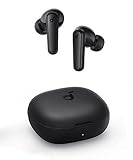
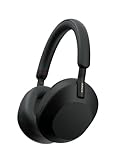
What to skip: a studio microphone, an audio interface, and acoustic panels. With AI narration you are not recording anything, so those purchases solve a problem you do not have. Start with the free tools and the headphones you already own, and only upgrade when you hear a specific issue.
Consistency beats perfection, and read the platform rules
A sleep-story channel is a library, and libraries grow one shelf at a time. A realistic plan is one story a week, or even one every two weeks, in the same voice, at a similar length, with a similar look. Pick a runtime that fits your genre (many sleep stories run from twenty minutes to an hour), publish on a rhythm you can keep, and resist the urge to redesign everything after episode three. Polish comes from repetition: you will notice which pacing worked, which images repeated well, and which endings actually tapered.
Podcast or YouTube? Either works, and plenty of creators do both from the same audio file. Podcasts reward the pure audio version, and YouTube rewards the long, dim visual. Start with one so you are not splitting your effort.
Finally, platform policies. YouTube, podcast hosts, and other platforms have rules around AI-generated or synthetic content, and many ask creators to disclose it in certain situations. Those rules, along with monetization requirements and reused-content policies, change often and differ by platform. We are not going to quote specifics here, because they would go out of date. Before you publish, read the current policy pages on any platform you use, apply the disclosure settings they ask for, and be straightforward with your audience about how the narration is made. Being open about it costs you very little, and it protects the channel.
Build the calm-voice channel, one story at a time
Try ElevenLabs on the free tier, and check the current plan details on their site if you decide to publish commercially.
Try ElevenLabs free →Frequently asked questions
Do I need to show my face or record my own voice?
No. A faceless sleep-story channel can run on AI narration and a simple visual loop, so there is nothing to film and no microphone required.
Can I use classic fairy tales or old novels?
Often yes, if the specific text is in the public domain, but check the exact edition and translation, since modern translations and annotated editions can still be protected. When in doubt, retell the story in your own words or write an original.
What does an AI voice cost to get started?
ElevenLabs has a free tier of roughly 10,000 characters a month, which is enough to test voices and make a short first story. The $5 Starter tier adds a commercial license and instant voice cloning. Check their site for current plan details.
Do I have to tell viewers the narration is AI?
Many platforms have disclosure rules for synthetic or AI-generated content, and they change. Read the current policy for each platform you publish on and follow its disclosure settings. Being upfront with your audience is a good habit either way.
How long should a sleep story be?
There is no single right length. Many run twenty minutes to an hour. Choose a length you can produce consistently, and let the ending taper gently rather than stopping abruptly.
Will this make money?
We cannot promise that, and no one honestly can. Treat it as a creative project and a slow-built library, and look up the current monetization requirements of any platform you use before counting on income.