Smart bulbs have a reputation problem. Not because they're bad — the good ones are genuinely great — but because most people's first experience is: buy a four-pack, spend forty-five minutes troubleshooting the app, get everything working, and then watch it disconnect from the router at 2am for no reason. The bulb becomes a regular bulb. The app stays on your phone, judging you.
This guide is about avoiding that. The technology has matured enormously in the last three years, and if you pick the right ecosystem and understand a few basics going in, smart lighting is one of the home upgrades that actually sticks.
The ecosystem question: pick one and commit
The biggest mistake is mixing ecosystems. Philips Hue starter kit, a few LIFX bulbs on sale, some cheap Govee strips — suddenly you're juggling three apps and nothing talks to anything. Pick one ecosystem. The three serious contenders:
- Philips Hue — the gold standard. Rock-solid reliability, incredible third-party app support, works with every voice assistant. The catch: you need their hub ($55), which plugs into your router. Without it, Hue Bluetooth is limited to 10 devices and short range. Budget for the hub.
- LIFX — no hub required, stunning colors (brighter than Hue), solid app. WiFi-only, so you need decent 2.4GHz coverage in every room. In apartments and newer routers, not an issue.
- Kasa/TP-Link — the budget pick that actually works. No hub, WiFi, reliable app, Alexa and Google Assistant support. At $10–15 a bulb versus $25–50 for Hue, it's the right choice if you're equipping a whole house on a real budget.
Hub vs. hubless: the Zigbee vs. WiFi reality check
WiFi bulbs (LIFX, Kasa, most Govee) connect directly to your router. Simple setup, no extra hardware. Each bulb is a device on your network, and they're only as reliable as your WiFi signal.
Zigbee bulbs (Philips Hue) communicate on their own mesh network through a hub. Better reliability, lower latency for automations, and the mesh extends itself — each bulb strengthens the signal for the others.
Matter is the new standard that lets Hue, LIFX, and Kasa all talk to each other. It's real and rolling out, but still patchy in 2025. Buy Matter-compatible hardware so you're not locked out later, but don't blow up a working setup chasing it now.
The ambient lighting upgrade that's actually worth it
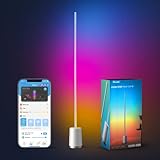
The most noticeable smart lighting upgrade in most living rooms isn't a smart bulb at all — it's a smart ambient light. A floor lamp or bias lighting strip changes the feel of the room in ways a ceiling fixture never does. The Govee corner floor lamp: fits in any corner, good RGB color mixing, reliable app, and at $40 it's cheap enough to not be a commitment.
The desk lighting option that's actually smart
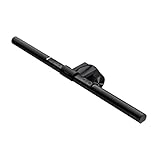
The BenQ ScreenBar is a monitor-mounted light bar with a light sensor that auto-adjusts brightness and color temperature. No glare on your screen, asymmetric light distribution that illuminates your desk without bouncing light into your eyes. If you spend time at a desk, bad lighting is a slow productivity drain you don't notice until you fix it.
What to skip
- Cheap no-brand WiFi bulbs — the $6 four-packs with 400 reviews. They connect once, work for two months, then start dropping off the network randomly. Spend $12–15 per bulb on a real brand or don't bother.
- Smart bulbs in rooms where you use a physical switch — smart bulbs need constant power to stay connected. If someone flips the wall switch, the bulb goes offline. Use smart switches in those rooms instead.
- Full Hue color bulbs in every socket — Hue color bulbs run $40–50 each. Most sockets don't need full RGB. For dimming and white temperature adjustment only, Hue White Ambiance (~$25) or Kasa white bulbs (~$12) are the right call.
App vs. voice: setting realistic expectations
Voice control is the feature everybody wants before they have smart bulbs and uses occasionally after. "Hey Siri, turn off the bedroom lights" before bed is genuinely useful. Building elaborate voice-controlled lighting scenes sounds great but requires setup time and tolerance for occasionally shouting the same command three times.
Use the app for scenes, automations, and precise control. Use voice for simple on/off and brightness changes. Automations — where the lights just do the right thing without you asking — are where smart lighting actually transforms your life.
FAQs
Do I really need the Philips Hue hub?
For a serious Hue setup, yes. Hue Bluetooth bulbs work without it but you're limited to 10 bulbs, short range, no automations, no remote access. The hub is $55 and unlocks everything — buy it at the same time as your first bulbs or skip Hue entirely and go LIFX or Kasa instead.
What's the deal with Matter and should I wait for it?
Matter is a universal smart home standard backed by Apple, Google, and Amazon. In theory it lets devices from different brands work together in any app. In practice as of 2025 it's mostly working but still has rough edges. Buy Matter-compatible hardware but don't delay your purchase waiting for it.
Can smart bulbs work without internet?
Zigbee systems (like Hue) can usually control bulbs locally even without internet, because the bulbs talk to the hub and the hub talks to your local network. WiFi bulbs typically need an internet connection to function through the app.
Will smart bulbs work if I switch off the wall switch?
No — a physical switch cutting power kills the bulb's connection. Solutions: install smart switch covers, replace the physical switch with a smart switch, or limit smart bulbs to fixtures with no physical switch (like plug-in lamps).
Is LIFX or Philips Hue better for color quality?
LIFX wins on raw color vibrancy and brightness. Hue wins on reliability, ecosystem depth, and third-party integration. If you want the best-looking colors and have strong consistent WiFi, go LIFX. If you want it to just work reliably for years, go Hue with the hub.
What's a good starter smart bulb setup for under $100?
Two approaches: (1) Kasa KL130 color bulb in one statement fixture plus a Govee corner lamp — total ~$60, no hub needed. (2) LIFX Mini Color two-pack (~$50) in your most-used room, no hub. Either gives you a real smart lighting experience before committing to a full Hue ecosystem.