Heads up: this page contains affiliate links. You pay the same price either way — we earn a small commission if you buy. Full disclosure · How we pick
- Top pickBirkenstock Arizona Sandals~$110
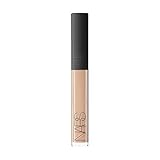
- Best budgetNARS Radiant Creamy Concealer~$32
Slip dresses are one of those pieces that look incredible in editorial photos and absolutely unforgiving on the shop floor under fluorescent lighting — because the one thing they never tell you is that half of them are basically lingerie masquerading as clothes. You put it on, step in front of any natural light, and suddenly everyone can see the outline of everything. Not the vibe.
The good news: there are slip dresses that are genuinely, actually opaque. The difference comes down to a few specific things — fabric weight, lining quality, and construction. Once you know what to look for, you stop buying sheer disappointments and start buying dresses you can wear outside without a second thought. Here's everything you need to know, plus the picks that actually pass the light test.
Why most slip dresses fail the opacity test
The slip dress problem is almost always a fabric weight issue, a lining issue, or both. Let's break it down so you know exactly what you're looking at before you buy.
Fabric weight. Lightweight satin-charmeuse, chiffon, and cheap polyester blends are the usual culprits. These fabrics look gorgeous in photos because they catch the light beautifully — and they look disastrous in real life for exactly the same reason. Any fabric under about 120 GSM (grams per square meter) is likely to be translucent in direct light. Heavier fabrics — thick satin, crepe, matte jersey — give you actual coverage.
Lining quality. A well-lined dress can save an otherwise sheer fabric. The problem is that a lot of brands line the bodice only, leaving the skirt unlined, or use lining that's almost as sheer as the outer fabric. A quality lining extends to at least mid-thigh, uses a substantial fabric (not just thin tricot), and sits close to the outer layer without bunching.
The color trap. Light colors — white, cream, pale pink, champagne — are almost always worse than darker options. Even a fabric that's borderline opaque in charcoal or navy can be see-through in ivory. If you want light-colored slip dresses, lining is non-negotiable.
What to look for (and what to skip entirely)
Before you buy anything, here's the quick checklist that will save you from a lot of returns:
Look for: full skirt lining or self-lined construction; fabric descriptions that mention "crepe," "matte satin," "heavy charmeuse," or "ponte"; mentions of "fully lined" or "double-layered" in the product description; darker colorways if you're buying without a try-on; and reviews that specifically mention wearing it to work, events, or outside in daylight without incident.
Skip: anything described only as "satin" without further weight detail; dresses with lining listed only for "the bodice" or "the bust area"; sheer fabric descriptions like "chiffon overlay" or "organza shell"; anything in white or cream from a brand you haven't tried before; and dresses where the model photos are all shot indoors against white walls with no natural light (a tell that the brand is hiding something).
The white sheet trick. If you're shopping in person, hold the dress up in front of a white wall or window. If you can see your hand through it from arm's length, it's going to be see-through when worn. No exceptions.
The picks that actually pass
These are the pieces in the slip dress and slinky dress category worth actually buying — plus the accessories that make them work as a full outfit.
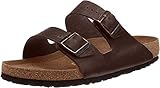
The Birkenstocks are the finishing piece, not the main event — but they matter more than people think. A slip dress with chunky sandals reads "intentional off-duty style." The same dress with stilettos reads "wedding guest." The same dress with worn sneakers reads "running an errand." The flat sandal is the most versatile choice.
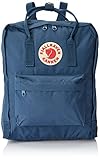
If the backpack feels like too much of a stretch, the crossbody is your next best move.
One important note on the Baggu: the nylon version (not the canvas or cotton) is the practical daily choice. The canvas gets grubby fast and the texture can snag delicate fabrics.
The complete-the-look layer problem (and how to solve it)
Layering over a slip dress is where a lot of outfits go wrong. The usual mistakes: a cardigan that's too chunky and overwhelms the dress's drape; a blazer that's cut in a way that turns the slip into a lining; a denim jacket that works great in theory and bunches badly in practice.
The layering pieces that actually work:
- An oversized linen or cotton button-down, worn open. This is the easiest, most versatile option. Wear it fully unbuttoned as an overshirt, tie it at the waist, or drape it over your shoulders. It softens the slip dress without hiding it. Thrift stores are excellent for this — slightly worn cotton shirts have the right amount of drape.
- A fitted turtleneck underneath. This is the winter solution and it's genuinely good. A ribbed turtleneck under a midi slip, with ankle boots — it's a full outfit that's warm and looks considered. Color-matching (cream turtleneck under a cream slip, black under black) is the easier call; contrasting works but requires more commitment.
- A structured blazer in a contrasting texture. The key word is structured. An unstructured blazer with a slinky dress makes both look shapeless. A tailored blazer — linen, cotton, or even a thin wool blend — creates the tension between structure and softness that makes this combination work.
- A leather or leather-look jacket. The moto jacket over a midi slip dress is genuinely one of the best casual outfit formulas. The contrast in texture and attitude is what makes it work. The dress keeps it from looking too biker; the jacket keeps it from looking too precious.
What doesn't work: fleece anything, most hoodies (the fabric mixes awkwardly), chunky-knit cardigans (they eat the dress), and cropped puffer jackets over midi-length slips (the proportions fight each other).
Undergarments: the part everyone skips over
Even with a fully lined, genuinely opaque slip dress, undergarment choices matter. This is particularly true for texture and line visibility — and it's where a lot of otherwise great outfits go wrong in photos.
For everyday wear: seamless underwear is worth the investment. The difference between visible underwear lines and clean lines under a slinky fabric is stark. Brands like Skims, Commando, and even Amazon's own basics have seamless options that work. You don't need to spend a lot — the difference between a $7 seamless brief and a $30 seamless brief is minimal; the difference between a regular cotton brief and a seamless one is huge.
For bras: a bandeau or strapless option works well under most slip dress necklines. If you prefer straps, a convertible bra lets you use a racerback configuration for straight-neckline styles. Clear straps are less invisible than advertised — the clear material catches light differently than skin — so a genuine naked back is worth it when the neckline allows it.
For bodycon slips specifically: shapewear-style shorts under a bodycon slip aren't about changing your shape — they're about preventing the fabric from riding up and keeping everything smooth. If you've ever had a slinky dress creep up throughout the day, bike-short style underpinnings solve this completely.
How to care for a slip dress so it stays looking new
Slip dresses are more durable than they look, but care matters more than with most garments because the fabric is unforgiving of shrinkage, pilling, and heat damage.
Washing: Cold water, delicate cycle, mesh laundry bag. That's it, every time. Don't improvise with warm water "just this once" — satin-adjacent fabrics can lose their drape and sheen with one hot wash. If you're hand-washing, gentle press rather than wring — wringing distorts the fabric and creates creases that don't come out easily.
Drying: Lay flat or hang dry only. The dryer is the enemy. Even a low-heat dryer cycle can shrink the outer fabric while leaving the lining at its original size, causing a buckled, bumpy layer situation that's very difficult to fix. If you're in a hurry, use a steamer on the lowest setting — it relaxes wrinkles without the heat damage of a dryer.
Storage: Hang rather than fold if you have the space. Folded satin and crepe develop hard crease lines that require steaming to remove. If you're storing seasonally, pad the fold with acid-free tissue rather than letting the fabric crease under its own weight.
Spot cleaning: Club soda on fabric spills immediately, gently blotted (never rubbed). For oil-based stains, a tiny amount of dish soap worked in with a soft brush, then cold water rinse. For everything else — take it to the dry cleaner rather than experimenting. Slip fabrics react unpredictably to household stain treatments.
Frequently asked questions
How do I know if a slip dress will be see-through before buying?
Check the fabric description for weight indicators ("heavy," "matte," "crepe," "ponte") and look for explicit "fully lined" language. If shopping in person, hold the dress up in front of a window — if you can see your hand through it at arm's length, it will be see-through when worn. For online purchases, search specifically for reviews mentioning "opaque," "office-appropriate," or "not see-through." Avoid anything described as chiffon, organza, or "lightweight satin" without additional lining details.
What fabric is best for an opaque slip dress?
Matte crepe, heavy charmeuse, ponte, and thick matte jersey are your best bets. These fabrics are dense enough to provide coverage without needing a lining (though a good lining still helps). Avoid thin polyester satin, chiffon, and organza for any colorway. For light colors specifically, you need either a substantial fabric weight or a full double-layer construction — there's no workaround on pale shades.
Can I wear a slip dress to work?
Yes, if you approach it right. The keys: midi length (knee or below) reads significantly more office-appropriate than mini; a layer on top (blazer, structured cardigan, or turtleneck underneath) adds formality; and fabric matters even more in professional settings. A heavy crepe midi slip with a tailored blazer is a genuinely strong office outfit. The same dress in sheer satin at knee length is not. When in doubt, the layer-over approach lets you calibrate the formality level exactly.
What shoes work best with a slip dress?
Flat sandals (Birkenstock-style or strappy flats) work for casual wear and add a grounded quality that balances the dress's floatiness. Block-heel mules or low kitten heels are the most versatile mid-level option — they read as dressed up without being formal. Ankle boots work extremely well for fall/winter, particularly with a midi-length slip. Avoid very high stilettos unless you're going somewhere that warrants them — they tip the slip dress from "effortless" to "trying very hard."
How do I stop a slip dress from riding up throughout the day?
Two solutions: seamless bike shorts or shapewear shorts underneath (the fabric gives the dress something smooth to slide over rather than catching on skin); or a light spritz of anti-static spray on the inside of the dress before wearing. The bike shorts option is more reliable and has the bonus of preventing any accidental exposure if the wind catches the dress. Anti-static spray helps with static cling specifically but won't solve a dress that's just cut too short for your proportions.
What's the difference between a slip dress and a satin dress?
A slip dress refers to a style — minimal structure, thin straps, typically loose-fitting with a bias cut or simple silhouette, originally inspired by undergarment shapes. A satin dress refers to a fabric. Slip dresses are often made in satin, but they can also be made in crepe, jersey, or other fabrics. The confusion matters practically because "satin dress" doesn't tell you anything about weight or opacity, whereas a well-specified slip dress description should tell you about lining and construction.