Most people discover sleep audiobooks by accident — they fall asleep to a podcast they like and realize the white noise of a calm voice is better than silence. Then they start being intentional about it. Sleep audiobooks are a specific category: not falling-asleep stories necessarily, but books that you can listen to at low volume in the dark, whose content is rich enough to quiet the spinning mind without being so gripping you stay awake. Here's what actually works.
Why audiobooks work better than podcasts for sleep
Podcasts have variable energy — hosts get excited, arguments happen, ad reads are loud. Audiobooks have consistent pacing and are produced to a single audio standard throughout. The best sleep narrators have a particular quality: warm, steady, never shrill, unhurried. Their voice is interesting enough to focus a wandering mind but not stimulating enough to keep you alert.
The calm nonfiction category
Narrative nonfiction with a reflective tone is the sleep audiobook sweet spot. Not thriller nonfiction (cortisol spike bad). Not densely argued philosophy (requires active engagement). The goal is material that is interesting and pleasant but doesn't require you to remember anything.

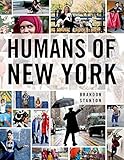
Self-help that quiets rather than activates
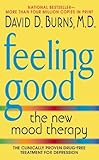
Bad self-help as a sleep listen: anything that makes you want to write a list, set a goal, or check something on your phone. Good self-help: books that invite reflection without action, that provide a framework for thinking about your life without demanding you do anything about it tonight.

The hardware setup that actually matters
Sleep earbuds or a Bluetooth speaker close to the bed — never earbuds that cause ear pain when you roll over. Volume at 20–30%, just audible in a quiet room. Timer set to 30–45 minutes. You don't need to finish the chapter. Audible saves your exact position, so you'll find it in the morning (usually further back than you remember — you were asleep before you think you were).

What doesn't work for sleep listening
Thrillers (obvious). Anything with multiple characters whose voices sound similar. Books with complex plots where you need to track timeline and motivation. Anything that made you feel anxious or activated earlier in the day. Books you're actively trying to learn from — information encoding degrades as you approach sleep onset, and you'll be annoyed at yourself for not remembering it.
FAQs
Will Audible remember where I fell asleep?
Yes — Audible tracks your position to the second. If you fell asleep at chapter 4 and the book went to chapter 7 before the timer stopped it, you just scrub back to where you remember drifting. The app also has a sleep timer so it stops on its own.
Is the Audible sleep timer good?
Functional but basic — you set it for X minutes and it stops. Some people prefer third-party timers or the end-of-chapter option (stops after the current chapter finishes). In the app: Now Playing → three dots → Sleep Timer.
Should I listen to fiction or nonfiction for sleep?
Nonfiction with reflective, non-urgent tone works better for most people. Fiction is great but engages narrative suspense — you need to know what happens — which is activating. The sweet spot is nonfiction that invites contemplation rather than demanding it.
What volume is right for sleep listening?
Barely audible in a quiet room — you should have to concentrate slightly to hear it. Too loud defeats the purpose. Too quiet and your brain strains to hear, which is also activating. 15–25% on most phone speakers or Bluetooth devices.
Are there audiobooks made specifically for sleep?
Yes — Audible's Sleep category includes books designed with slower pacing and deliberately relaxing content. Search "Audible sleep" to find them. Some are narrated at a specifically slower-than-normal pace. Worth exploring if standard audiobooks are too engaging.