A reading slump doesn't feel like "I don't like reading anymore." It feels like picking up the same book for the eleventh night in a row, reading the same page and a half, and putting it back down feeling vaguely guilty. Most people respond by blaming themselves — too tired, too distracted, too addicted to their phone — and buying another book they're excited about, which just becomes the next book that sits on the nightstand accusing them. That's not a willpower problem. It's a momentum problem, and it has a specific, fixable cause.
- Top pickThe Midnight Library by Matt Haig~$13
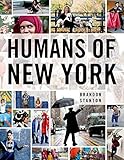
- Worth the splurgeHumans of New York by Brandon Stanton~$25
This is not another "books under 200 pages" list. Page count is a decent enough proxy for commitment, but it's a terrible proxy for whether a book will actually pull you through a slump. Plenty of short books are slow, dense, or demand more attention than a tired brain can give at 9pm — a slim literary novel with no plot hook can stall you out exactly as hard as a 900-page fantasy doorstop. What actually breaks a slump is pacing: how fast a book hooks you, how quickly it rewards you for showing up, and whether it's built so you can put it down without losing your place in your head. Call it finishability. It has almost nothing to do with the number on the spine.
Why a reading slump isn't a discipline problem
Here's what's actually happening in a slump, mechanically. You open a book, read for a few minutes, and your brain files the experience somewhere between "effortful" and "not obviously rewarding yet." Do that four or five nights in a row with the same book and your brain starts treating the whole activity of reading as effortful, not just that particular book. That's why a slump tends to spread — you stop trusting yourself to finish anything, so you stop starting anything, and the pile on the nightstand gets both taller and more intimidating at the same time.
The fix isn't "try harder" or "read every night no matter what." It's choosing a book engineered to reward you fast enough that your brain re-files reading as something that pays off quickly. That's a craft decision the author made, not a personal failing on your part, and it's the entire logic behind every pick on this list.
Page count is a red herring — pacing is what actually matters
If you've ever picked up a "short" book specifically to get unstuck and found yourself just as bogged down by page 40, you already know page count alone doesn't fix anything. A slump-breaker needs three things a short book doesn't automatically have: a hook in the first few pages (not the first few chapters), forward pull — you have to actually want to know what happens next, not just admire the prose — and exit points that feel like wins. A book with clean chapter or section breaks lets you stop at 9:47pm feeling like you finished something, instead of stopping mid-scene feeling like you gave up.
That's the filter behind every book below. None of them were picked because they're short. They were picked because they get their hooks in fast, they keep pulling, and they're structured so that fifteen minutes with them feels like a complete unit, not an unfinished chore.
For when you need a hook in the first five pages
If your slump started because the last few books you tried spent 60 pages on scene-setting before anything happened, you don't need "short" — you need immediate. A book that opens with a decision already made, a crisis already in motion, or a question you need answered right now is the fastest way to remember what it feels like to actually want to turn the page.
For when your attention span is the real problem, not your interest
Sometimes the issue isn't that you don't want to read — it's that your focus runs out after ten or fifteen minutes and most books aren't built with natural stopping points inside that window. The fix here isn't a shorter book. It's a book broken into small, self-contained units, so your attention span and the book's structure are finally working together instead of against each other.

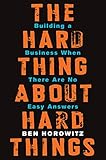
Nonfiction built on stories rather than frameworks does something similar without feeling like a self-help exercise. Each chapter functions almost like a short story with a lesson attached, so the pull comes from wanting to know how the anecdote resolves, not from grinding through an outline.
For when you don't want to read start to finish at all
This is the permission most slump advice never gives you: you don't have to read a book in order. Some of the best slump-breakers are the ones you're allowed to open at random, read one self-contained section of, and close again with zero guilt about not "getting through it." Removing the obligation to read linearly removes most of the pressure that caused the slump in the first place.
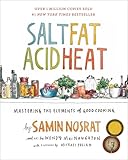
Short, dense nonfiction that delivers a usable takeaway in a single sitting works on the same principle from a different angle — you're not reading toward an ending, you're reading toward a specific, practical payoff you can use immediately, which is its own kind of momentum.
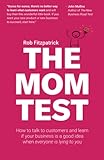
And when the slump is tangled up with a rough mental stretch rather than just a busy one, a book built around small, structured exercises can do double duty — each chapter both moves you forward and hands you something to actually do with what you just read.
How to actually stay out of the slump once you're moving again
Breaking a slump and staying out of one are two different problems, and most people undo their own progress by celebrating a finished slump-breaker with an 800-page reward they've been "saving." Don't. Momentum is fragile in exactly the way you'd expect right after you've rebuilt it — one slow, effortful book can put you right back where you started.
A few things that actually help: give yourself explicit permission to abandon a book that isn't pulling you in after the first 30-40 pages, without treating it as a failure. Read at the same time each day if you can — even ten minutes — because consistency rebuilds the habit faster than long, sporadic sessions do. And ramp up gradually: follow a fast, hooky book with another fast, hooky book before you reach for anything that asks for patience you haven't rebuilt yet. The goal isn't to prove you can finish a hard book. It's to remember that finishing books feels good, often enough that you start reaching for one instead of your phone without having to think about it.
Frequently asked questions
What actually causes a reading slump?
Usually a mismatch between the book you're reading and the amount of mental energy you have available for it, repeated often enough that your brain starts treating reading itself as effortful. It's rarely about losing interest in books altogether — it's about a string of low-reward attempts training you to expect reading to feel like work.
Is a reading slump different from just being busy?
Yes. Being busy means you don't have time to read. A slump means you have pockets of time and still don't reach for a book, often choosing your phone instead even when you'd rather be reading. The fix for busy is a schedule. The fix for a slump is a book that pays off fast enough to compete with your phone.
Should I quit a book I'm not enjoying to fix a slump?
Almost always, yes. Finishing a book you're dragging yourself through doesn't rebuild momentum — it reinforces the exact feeling that caused the slump. Give any book 30-40 pages, and if it isn't pulling you forward by then, put it down without guilt and pick up something faster.
Do short books guarantee I'll get through a slump faster?
No, and that's the whole point of this list. A short book with a slow opening or no forward pull can stall you just as hard as a long one. What matters is pacing and hook speed, not the number of pages — plenty of short books are genuinely difficult to stay in.
How many books should I read to get out of a slump?
There's no fixed number, but most people notice a real shift after finishing two or three fast, hooky books in a row. The goal isn't a quota — it's retraining your brain to associate picking up a book with a quick, reliable payoff.
Is it bad to reread an old favorite instead of starting something new?
Not at all — rereading a book you already love is one of the fastest slump-breakers there is, precisely because you already know it pays off. There's no risk involved, which is exactly the kind of low-stakes win a stalled reading habit needs.