A salad dressing shaker sounds like exactly the kind of single-purpose gadget this site usually tells you to skip. It does one thing — it mixes oil and vinegar together — and a whisk, a fork, or a lidded jar can technically do that same job for free. But "technically can" is doing a lot of work in that sentence. The real reason most people end up buying bottled dressing instead of making their own isn't that homemade dressing tastes worse. It's that whisking a vinaigrette that separates again in ninety seconds, then hauling out and cleaning a blender for two tablespoons of Dijon, is annoying enough that the bottle in the fridge door starts to look like the smarter choice. A dressing shaker removes almost all of that friction, and it's cheap enough that the case for owning one is pretty short to make.
- Top pickOXO Good Grips Little Salad Dressing Shaker, 2-Cup~$15
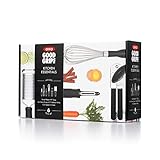
- Worth the splurgeOXO Good Grips 17-Piece Tool Set~$50
This isn't a gadget review dressed up as a lifestyle argument. It's a genuinely practical case for a $10–20 tool, a rundown of the actual product landscape (mason jars, dedicated shakers, mini blender cups), two ratios worth memorizing so you're not googling a recipe every time, and an honest list of what not to bother with.
Why shaking beats whisking — and beats the blender
Oil and vinegar don't want to combine. Left alone, they separate within minutes because they're different densities and don't share a molecular structure that lets them bond on their own. Whisking works by brute force — you're mechanically shattering the oil into tiny droplets and suspending them in the vinegar faster than they can recombine — but it takes real, sustained effort to get a good emulsion, and the second you stop, gravity starts pulling it back apart. Most people whisk half-heartedly for twenty seconds, pour a barely-combined dressing over their salad, and wonder why it tastes like straight vinegar in one bite and straight oil in the next.
A sealed shaker solves this two different ways. First, the turbulence from shaking breaks up oil droplets more thoroughly than a whisk does in the same amount of time, because you're agitating the entire volume of liquid at once instead of just the surface you're dragging a whisk through. Second — and this is the part people undersell — you don't need the emulsion to hold. You just need to be able to re-shake it in three seconds right before you pour, which a sealed container lets you do at the table, over the salad, without dirtying another dish.
The blender comparison matters too, because a lot of home cooks jump straight to a food processor or immersion blender for dressing, assuming more power means a better result. It does make a very stable emulsion — that's true. But it's overkill for a batch that's usually under two cups, and it creates a real, specific annoyance: garlic, anchovy, and mustard flavors cling to a blender's gasket and blade assembly, so the next thing you blend — a smoothie, a soup — can pick up a faint dressing ghost unless you scrub it thoroughly. A dedicated small vessel used only for dressing sidesteps that entirely. Rinse it under the tap, no gasket to disassemble, no smoothie that tastes faintly of shallots.
The mason jar hack vs. a dedicated shaker
The classic move, and a genuinely good one, is a mason jar with its two-piece metal lid — the flat disc and the screw band. You probably already own a few. Add oil, vinegar, mustard, salt, and whatever aromatics the recipe calls for, screw the lid on, and shake for fifteen seconds. It costs nothing extra and it works.
Where it falls short is the details that only show up with regular use. The metal band and flat lid aren't built for daily screwing and unscrewing — vinegar is acidic, and over months of contact the metal edge can start to rust, especially if the jar goes in the dishwasher instead of getting hand-dried. There's no pour spout, so getting dressing onto a salad means fully unscrewing the lid, pouring, and re-tightening a seal that was never designed to be reseated dozens of times. And there's nothing inside the jar helping the emulsion along beyond the glass walls and your own shaking arm.
A dedicated dressing shaker fixes all three of those specific annoyances, which is really what you're paying for. The OXO version below has cup and tablespoon fill lines printed right on the side, so you're not eyeballing a 3:1 oil-to-vinegar ratio and hoping. It has a flip-top or twist spout, so you can drizzle straight from the shaker without opening the whole lid. And it has an internal agitator — a small disc or ball that moves through the liquid as you shake — that breaks up the emulsion more aggressively than glass walls alone.
| Feature | Mason jar + lid | Dedicated shaker |
|---|---|---|
| Upfront cost | Free, if you own jars | ~$10–20 |
| Pour control | Full unscrew required | Flip-top or twist spout |
| Fill lines | None | Printed cup/tbsp markings |
| Emulsifying aid | None — glass walls only | Built-in agitator disc |
| Lid over time | Metal band can rust from vinegar | Threaded plastic, dishwasher-safe |
| Best for | Occasional dressing, already own jars | Frequent dressing-makers, gifting |
Two dressing ratios worth memorizing
You don't need a recipe card once these two ratios are in your head, because everything else is seasoning to taste.
Classic vinaigrette — 3:1. Three parts oil to one part acid (vinegar or citrus juice). A workable everyday batch is 3 tablespoons olive oil, 1 tablespoon vinegar or lemon juice, 1 teaspoon Dijon mustard, salt, and pepper. The mustard isn't just for flavor — it acts as an emulsifier, its natural compounds help bind the oil and vinegar together and hold the emulsion noticeably longer than oil and vinegar alone. Add minced shallot or garlic and a pinch of sugar or honey to round out the acidity, seal, and shake for fifteen seconds.
Creamy dressing — no oil needed. A half cup of buttermilk or plain yogurt, two tablespoons of mayonnaise, a squeeze of lemon, minced garlic, and chopped herbs (chives, dill, or both). Because dairy is already a natural emulsion, this one comes together almost instantly with a shake — no mustard trick required, no separating-again problem to manage.
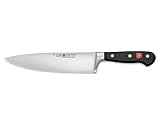
For both, mincing your aromatics finely before they go in the shaker matters more than people expect — a rough-chopped shallot just gets waterlogged and bounces around, while a fine mince actually distributes through the dressing and softens in the acid. A sharp chef's knife makes this a thirty-second step instead of a chore, which is half the reason people skip fresh garlic and shallot in the first place.
Rounding out the kit
Past the shaker itself, two more items are worth having if you make dressing often enough for it to be a habit rather than a project. If you tend to batch a bigger jar of a house vinaigrette to have on hand for a week or two — or you're making dressing for a crowd, a potluck, a big salad dinner — a shaker sized for two cups starts to feel small. A larger airtight container with a genuinely good seal keeps a bigger batch from picking up fridge odors, which vinegar-and-oil mixtures are surprisingly prone to.

And if you'd rather not dedicate a single-purpose bottle to dressing at all, a small glass container from a general storage set works almost as well as a mason jar — snap the lid, shake, done — while giving you a matched set of lids and bases that also handle leftovers, marinades, and everything else in the fridge.
What to skip
Ornate ceramic or glass "oil and vinegar cruet" sets. They photograph beautifully on a table and are genuinely miserable to use for actual dressing-making — the necks are too narrow to fit a spoon or a sprig of herbs through, they're nearly impossible to clean where the neck meets the body, and most aren't built to be shaken hard enough to emulsify anything. Use them for pouring finished dressing at the table if you like the look, not for mixing it.
Battery-powered "salad dressing mixer" gadgets. A handful of companies sell tiny electric whisks or mini blender wands marketed specifically at dressing. They're one more thing to charge or keep batteries in for a job a $15 shaker with zero moving parts does just as well, in the same amount of time, with nothing to eventually break.
Anything oversized bought "just in case." A half-gallon shaker or jug for a recipe that makes one cup of dressing doesn't emulsify as well — there's too much empty headspace and air for the shake to actually agitate the liquid — and it eats disproportionate fridge space for what it's actually holding. Size the container to the batch, not to some hypothetical future batch.
Cheap shakers with a snap-on lid instead of a screw-thread one. These are the ones that pop open in a lunch bag or tip over in the fridge door and empty themselves onto a shelf. If you're buying a dedicated shaker, confirm it threads closed rather than just snapping — it's the difference between a tool you trust and one you double-bag out of habit.
How to actually pick, based on how you cook
If you already own mason jars and don't mind fully unscrewing a lid to pour, you don't need to buy anything — you already have a shaker, and the only upgrade worth considering is a set of shaker-specific lids with a pour spout, sold separately for standard mason jar mouths. If you want fill lines so you're not eyeballing ratios and a spout that lets you drizzle without opening the whole container, the dedicated OXO shaker is the fifteen-dollar answer, and it's the pick most people should start with if they're buying anything at all. If dressing is becoming a weekly batch project rather than a per-meal task, size up to something like the OXO POP container instead of trying to shake two cups of vinaigrette in a two-cup bottle with no headroom.
The honest bottom line: the tool itself is not complicated, and none of this requires spending real money. What it buys you is removing enough friction from a five-minute task that you actually do it on a random Tuesday instead of reaching for the bottled stuff in the fridge door — which, multiplied over a year of salads, is the entire case for owning one.
Frequently asked questions
Does a mason jar work just as well as a dedicated dressing shaker?
For the core job — combining oil and vinegar — yes, a mason jar with a tight lid emulsifies dressing just fine. What you lose is convenience: no fill lines for measuring, no pour spout so you're fully unscrewing the lid every time, and no internal agitator helping the emulsion along. It's a completely reasonable choice if you already own jars and don't mind those tradeoffs.
What's the best oil-to-vinegar ratio for a basic vinaigrette?
Start with 3 parts oil to 1 part acid (vinegar or citrus juice) — for example, 3 tablespoons olive oil to 1 tablespoon vinegar. Add a teaspoon of Dijon mustard as an emulsifier, plus salt and pepper. Adjust the ratio slightly toward more acid if you're using a milder vinegar like rice or white wine, since they're less sharp than red wine or balsamic.
Why does my homemade dressing separate again in the fridge?
This is normal, not a sign you did anything wrong — oil and vinegar don't stay combined indefinitely even in a good emulsion, and cold temperatures make separation happen faster since the oil can solidify slightly. Just give it a hard fifteen-second shake before each use; a dedicated shaker with a secure, threaded lid makes this a non-issue since you're not risking a spill re-sealing a mason jar lid daily.
Is it worth using a blender or food processor instead of shaking?
Only for large batches or dressings with a lot of solid ingredients to fully puree, like a Caesar or a green goddess with anchovies and herbs. For a standard vinaigrette, a blender is genuine overkill — it dirties a bigger appliance for a two-minute job, and garlic or mustard flavors can cling to the gasket and affect the next thing you blend unless it's scrubbed thoroughly.
How long does homemade dressing keep in the fridge?
A basic oil-and-vinegar vinaigrette keeps about one to two weeks refrigerated in a sealed container, since vinegar's acidity is naturally preservative. Dairy-based creamy dressings are more perishable and are best used within about five to seven days. Either way, give it a shake before using — separation over time is expected and doesn't mean it's gone bad.
What size shaker or jar should I buy?
A 2-cup shaker covers almost every standard vinaigrette recipe with room to shake properly, which matters — an overfilled container doesn't emulsify as well since there's no room for the liquid to move. If you regularly batch a bigger amount to have on hand for a week, size up to something in the 1-quart-plus range instead of overfilling a 2-cup bottle past its comfortable capacity.