A rug is one of the highest-leverage things you can buy for a room. It anchors furniture, absorbs sound, makes hardwood feel less like a gymnasium, and — if you pick correctly — survives years of shoes, pets, kids, and wine. If you pick wrong, you own an expensive gray lint collector that looks wrecked by spring. This guide is about picking correctly, across every material and use case, without spending more than $400.
Material first: polypropylene, wool, jute, or cotton?
The single most important rug decision is fiber. Everything else — pattern, pile height, backing — is secondary.
Polypropylene (olefin): The real-life survivor. Stain-resistant by nature, fade-resistant, often machine-washable, and available in styles that convincingly mimic wool and kilim weaves. Best for: living rooms with pets, kids, or anyone who eats on the couch. Almost every "affordable area rug" you'll see online is polypropylene. This is fine. Embrace it.
Wool: The gold standard. Soft, naturally soil-resistant (lanolin in the fiber repels liquids), and it ages gracefully. Genuine wool rugs in good patterns exist under $400. They shed for the first few months, are not machine washable, and pets that chew will find them irresistible.
Jute and sisal: Beautiful in photos, scratchy underfoot, terrible for moisture. Spill anything on jute and you have a permanent mark. Never put jute in a kitchen or bathroom.
Cotton: Flat-weave cotton rugs (dhurrie, kilim-style) are underrated. Easy to wash, lightweight, reversible for double the lifespan. Low pile means not much cushion, but for bedrooms and dining rooms that's rarely a problem.
Pile height: what actually matters for pets and daily life
Low pile (under ¼") wins for real-life use in almost every case. Pet hair sits on top and vacuums easily. High-pile and shag rugs trap hair deep in the fibers where a standard vacuum can't reach it. You end up hand-picking hair while resenting your own home. Low pile is also better for furniture legs and easier to clean professionally.
The one case for high pile: a bedroom rug that you step onto with bare feet in the morning. A soft, deep-pile rug next to the bed is a small luxury that costs $60 and genuinely improves your day. Keep it away from areas your pet frequents.
If you run a robot vacuum, pile height matters even more. Most robot vacs struggle to climb anything over ¾" pile. Low-pile polypropylene rugs play nicely with robotic cleaning.
Washable rugs: the category that changed everything
Brands like Ruggable built an entire business around it: a thin textile layer that unzips from a non-slip pad and goes directly in your washing machine. The rug surface looks like a real rug. Pet accidents, wine, muddy shoes — all handled in 45 minutes.
The caveats: a 5×7 Ruggable runs $180–$280, the pile is necessarily thin, and some patterns look slightly flat in person. But for households with pets, kids, or anyone who cooks while eating takeout in the living room, a washable rug is often the right call.
Size guide: why most people buy too small
The most common rug mistake is buying too small. A rug that floats in the middle of a room with all the furniture legs off it looks like a bath mat that got lost. The rule: in a living room, all front legs of the sofa and chairs should be on the rug. In a dining room, the rug should extend at least 2 feet beyond each side of the table so chairs stay on it when pulled out.
- Small living room: 5×8 minimum, 8×10 preferred
- Standard living room: 8×10 or 9×12
- Dining room with 6-seat table: 8×10 minimum
- King bedroom: 9×12 or two 2.5×8 runners
If you're between two sizes, always go larger.
The rug pad: non-negotiable
A rug without a pad is a liability. Rugs slip, bunch, and cause falls. A pad adds cushioning, protects your floor from dye transfer, and extends the life of your rug. A quality 8×10 pad runs $30–$60. Buy one every time, no exceptions. Look for felt top and rubber bottom.
What to skip
White or ivory rugs in high-traffic areas. These photograph beautifully. In real use they're a full-time maintenance job. Reserve for bedrooms only.
Shag rugs in pet households. Pet hair gets irretrievably embedded. A Roomba will fight a shag rug and lose.
Cheap tufted rugs under $50 for an 8×10. The backing latex degrades, pieces end up all over your floor, and you replace it in a year. A $150 polypropylene rug from a reputable brand outlasts three cheap tufted rugs.
Jute in kitchens or dining rooms. One spilled glass of water and the fibers stain permanently.
Robot vacs and rugs: getting them to coexist
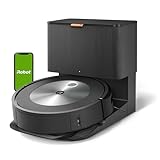
If you run a robot vacuum — essential in a pet household — rug selection matters for how well it works. Low-pile polypropylene rugs are the best pairing. The two picks below cover opposite price points.

Room-finishing moves
A rug anchors a room but doesn't finish it. The most common missing element is window treatment. Curtains add vertical dimension, soften echoes, and frame the room the way a rug frames the floor.

FAQs
What's the most durable rug material for a home with dogs?
Polypropylene. It's inherently stain-resistant, doesn't trap odors the way wool can, handles spot cleaning easily, and many versions are fully machine washable. Low pile polypropylene is also robot-vacuum compatible. If you want the look of wool, many high-quality polypropylene rugs mimic it convincingly.
How do I know if a rug is actually machine washable?
The listing should specifically state "machine washable" and ideally specify it fits in a standard or large-capacity machine. If it just says "spot clean" or "dry clean only," it's not machine washable. Most washable rugs are flat-weave or very low pile.
Do I really need a rug pad?
Yes, always. A rug without a pad on hardwood or tile is a slip hazard and will bunch and curl over time. Beyond safety, the pad protects floors from dye transfer and extends the rug's life. A quality 8×10 pad runs $30–$60 and lasts a decade.
What size rug do I need for a sectional sofa?
For most L-shaped sectionals, 9×12 at minimum. The goal is all front legs on the rug, ideally all four legs of everything. When in doubt between two sizes, always go larger.
How do I get a rug to lay flat after unboxing?
Reverse-roll it — lay the rug face-down in a tube shape for 24 hours, which counteracts the shipping curl. Then lay flat under furniture for another day. For persistent corner curls, rug gripper tape works well.
Are Ruggable rugs worth it?
Yes, for the right household. If you have pets, kids, or any situation where the rug needs regular washing, Ruggable's two-piece system is genuinely clever. Main trade-offs: higher price, thin pile, requires a large-capacity washing machine for 5×7 and bigger.
Can I use a robot vacuum on my area rug?
On low to medium pile rugs (under ¾"), yes. High-pile and shag rugs are problematic — the robot gets stuck or the brush roll gets tangled. Buy a low-pile rug and a robot vac with carpet boost mode for the best coexistence.