Let's be honest about what fresh pasta actually requires before we go any further: time, flour on every surface, and a genuine willingness to make a mess. This is not a Thursday-night weeknight solution. It is, however, one of the most satisfying things you can cook from scratch — and once you've eaten fresh tagliatelle that went from flour to boiling water in 45 minutes, the dried stuff starts to feel like a compromise.
The question isn't whether homemade pasta is better (it is). The question is whether you will actually make it enough to justify the counter space, the cost, and the learning curve. This article is honest about that math. For some households, a pasta maker is a thing of beauty used every Sunday. For others, it's a $150 cabinet ornament. Let's figure out which camp you're in — and if you're buying, which machine to get.
The honest argument for making pasta at home
Fresh pasta has a fundamentally different texture than dried. It's tender, silky, and cooks in 2–3 minutes rather than 8–10. The flavor is more delicate, which means it pairs beautifully with simple sauces — brown butter and sage, a good cacio e pepe, a light cream sauce — that would get lost on boxed pasta. Fresh pasta is also forgiving of imperfect sauces in a way dried pasta isn't.
The honest time commitment: your first few batches will take 90 minutes start to finish. Once you know what you're doing, you can make a pound of fresh pasta in 45 minutes, including cleanup. That's not weeknight territory for most people, but it's absolutely Sunday-afternoon territory. If you cook like that — leisurely weekend cooking you actually enjoy — a pasta maker earns its place.
The flour debate is worth settling early: 00 flour (finely milled Italian wheat) produces silkier, more elastic dough that rolls beautifully through a machine. Semolina flour (coarse-ground durum wheat) produces a firmer, toothier pasta with more grip for chunky sauces — it's the better choice for extruded shapes like rigatoni or penne. Most beginners start with 00 flour and eggs, which is the most forgiving combination.
Manual roller: the Marcato Atlas 150 and Imperia
The manual pasta roller is the purist's tool. You clamp it to the counter, feed the dough through progressively thinner settings, and cut it by hand or with the included attachments. There's a tactile satisfaction to this that electric machines don't replicate — you can feel the dough changing under your hands. It's also the most affordable entry point by a significant margin.
The two names that come up repeatedly in this category are the Marcato Atlas 150 and the Imperia. Both are Italian-made, both are built to last a lifetime, and both do the fundamental job extremely well. Here's the practical difference:
- Marcato Atlas 150: 9 thickness settings, smooth chrome rollers, and a more modern feel. Slightly easier to clean. Available in colors if that matters to you. The Atlas is the one most cooking publications recommend first.
- Imperia: Heavier, more old-school, and arguably more durable. Italian grandmothers have been using Imperia machines for 50 years. The rollers are slightly wider. If you want something that will outlast you, this is it.
The Atlas is the pick for most people — it's easier to find attachments for and slightly more pleasant to use. The Imperia is the pick if you want to own a machine once and never buy another.
One thing manual roller owners don't tell you: you need a third hand. Feeding the dough through while turning the handle and catching the sheet on the other side is genuinely awkward solo. A pasta drying rack and a partner (or at minimum a clean kitchen towel draped over a cabinet handle) make the process dramatically easier.
The KitchenAid pasta attachment: the compromise pick
If you already own a KitchenAid stand mixer, the pasta roller attachment is the most frictionless path to homemade pasta. You make the dough (the mixer does that too), swap in the roller attachment, and feed the dough through hands-free while the motor does the work. It sounds ideal, and honestly — it mostly is.
The KitchenAid attachment produces excellent pasta. The rollers are stainless steel, there are 8 thickness settings, and the included cutter attachments handle spaghetti and fettuccine. Cleanup is easy. The catch: it requires a KitchenAid stand mixer to use, which is $300–500 of equipment you may or may not already own. If you don't have the stand mixer, this path is significantly more expensive than a dedicated machine.
For households that already have the mixer and bake regularly: the pasta attachment is a genuinely excellent addition that earns its cost. For households buying specifically for pasta: a dedicated manual machine like the Atlas is cheaper and doesn't require owning a mixer.
Electric extruder: bronze dies, Teflon dies, and the shapes debate
Extruder pasta machines push dough through shaped dies to produce short pasta — rigatoni, penne, fusilli, macaroni — shapes that are nearly impossible to make by hand and impractical on a rolling machine. They're a different category from rollers, and the quality gap between cheap and good is dramatic.
The most important spec on an extruder is the die material:
- Bronze dies produce pasta with a slightly rough, porous surface that holds sauce exceptionally well. This is how the best dried pasta in Italy is made. The texture difference is noticeable. The downside: bronze dies are more expensive, require drying the pasta longer, and the machines cost more.
- Teflon dies produce smooth-surfaced pasta that releases easily and dries faster. The texture is closer to commercial dried pasta — which isn't a knock, it's just different. Cheap extruders use Teflon dies.
The Philips Pasta Maker is the most commonly recommended home extruder. It mixes and extrudes in one machine, is genuinely easy to use, and comes with multiple die shapes. The dies are Teflon. It works well and produces consistent results for rigatoni, spaghetti, and penne. For most home cooks, it's all they need. If you want bronze dies at home, you're looking at Italian commercial-grade equipment that starts at $500.
One honest warning about extruders: the dough formula matters enormously. Extruders need a drier, stiffer dough than rollers — too wet and the shapes collapse; too dry and the machine strains. Your first batch will probably be wrong. Your third will be right. Budget for the learning curve.
What to skip: cheap rollers, single-use gadgets, and the rust problem
There's a tier of pasta machine that sits between $20 and $40, usually sold under generic brands on Amazon, with chrome-plated rollers that look almost identical to the Atlas. Do not buy these. The chrome plating chips, the rollers develop rust within a year even with careful drying, and the thickness adjustments are imprecise — you get tearing and uneven sheets. The Atlas costs $75 for a reason.
Rust is the major quality tell in this category. Cheap rollers rust because the underlying steel is lower grade and the plating is thin. Real Italian machines (Atlas, Imperia) use higher-grade steel and thicker plating. Neither will rust if you dry them immediately after use and never put them in a dishwasher — but the difference in forgiveness for non-perfect care is significant.
Also worth skipping: single-use pasta gadgets. The hand-crank ravioli maker, the pasta fork, the chitarra that only makes one shape. Unless you're specifically committed to one pasta type, the money is better spent on a good all-purpose roller.
Cheap extruders in the $50–80 range are also problematic. The motors overheat, the dough gets stuck in the dies, and cleaning is a nightmare. If you want an extruder, spend $150+ or don't bother. The Philips machine is the entry point that actually works.
Comparing the main options head to head
Here's the honest comparison for the three most commonly considered options:
| Machine | Best for | Price | Shapes | Effort |
|---|---|---|---|---|
| Marcato Atlas 150 | Flat pasta: tagliatelle, lasagne, fettuccine, pappardelle | ~$75 | Sheets + 2 cutters (more via attachments) | High — manual cranking required |
| KitchenAid Attachment | Households with existing KitchenAid mixer | ~$170 (attachment only) | Sheets + 2 cutters (more via attachments) | Medium — motor does rolling |
| Imperia Pasta Machine | Long-term investment, heavy use | ~$65–85 | Sheets + 2 cutters | High — manual cranking required |
| Philips Pasta Maker | Short pasta shapes, hands-off workflow | ~$200–250 | Multiple short shapes + spaghetti | Low — fully automatic |
The verdict: Marcato Atlas for most people. KitchenAid attachment if you already own the mixer. Imperia if you want heirloom durability. Philips if you want to press a button and walk away, specifically for short pasta shapes.
Making it work: storage, flour, and the actual workflow
Fresh pasta doesn't keep the same way dried does. Here's the honest storage situation:
- Refrigerator (1–2 days): Dust cut pasta lightly with semolina flour (it won't stick as badly as 00 flour), nest into loose nests, and refrigerate uncovered for up to 2 days. It will absorb moisture from the fridge and can get tacky — use it sooner rather than later.
- Freezer (up to 3 months): The best storage option for batch cooking. Freeze the nests on a sheet pan until solid, then transfer to a zip bag. Cook from frozen — they go straight into boiling water and cook in 3–4 minutes. This is genuinely excellent and changes the weeknight math significantly.
- Dried (1 week at room temp): Let pasta dry on a rack for 24–48 hours until completely brittle, then store in an airtight container. This works but the texture is not quite the same as fresh or frozen — it's closer to good dried pasta than fresh pasta.
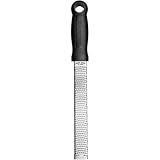
The Microplane grater and Silpat mat are the two supporting tools that make pasta day better. The Microplane produces the fine Parmesan snow that fresh pasta deserves. The Silpat on your work surface catches flour and makes cleanup fast.
Frequently asked questions
How long does fresh pasta actually take from start to finish?
First time: plan for 90 minutes including cleanup. Once you know the process: 45–55 minutes. The dough rests for 30 minutes (hands-off), rolling and cutting takes 15–20, and the pasta cooks in 2–3 minutes. It's faster than it feels, but it's genuinely weekend cooking, not a Tuesday-night dinner.
Is making fresh pasta worth it for weeknights?
Honestly, not usually — unless you batch it on weekends and freeze it. The 45-minute process is workable on a relaxed evening, but the kitchen cleanup adds more. The freezer strategy changes the equation: make a big batch Sunday, freeze in portions, and you have fresh-pasta-quality weeknight dinners in 15 minutes.
What's the difference between bronze and Teflon dies in an extruder?
Bronze dies leave a microscopically rough surface on the pasta that grips sauce the way dried pasta from a good Italian maker does. Teflon dies produce a smooth surface that releases easily but holds sauce less effectively. The difference is real and perceptible, especially with oil-based sauces. Bronze dies are standard in quality commercial dried pasta (De Cecco, Rummo) — that texture is what you're paying for.
Semolina vs 00 flour: which should I use?
For rolled pasta (tagliatelle, lasagne, ravioli): 00 flour with eggs. It's more elastic, rolls without tearing, and produces a silky texture. For extruded pasta (rigatoni, penne): semolina flour with water only. It's firmer, holds its shape through extrusion, and has a toothier texture that works with hearty sauces. You can also mix the two — a 50/50 blend gives you some of both qualities.
Will a pasta machine rust?
Cheap ones will. Quality Italian machines (Marcato, Imperia) won't if you treat them correctly: dry thoroughly after use, never submerge in water, never put in the dishwasher, and store in a dry place. A light coating of food-safe oil on the rollers before long-term storage adds extra protection. If you see surface rust, a little food-safe oil on a cloth will remove it before it spreads.
What's the best pasta to start with as a beginner?
Fettuccine or tagliatelle. Wide flat pasta is forgiving — minor thickness variations don't matter much, and imprecise cutting is fine because rustic width variation is part of the charm. Avoid ravioli and tortellini for your first several batches (the filling and sealing add significant complexity). Also avoid very thin pasta like angel hair until you have the dough consistency dialed in.