Small patio, big feelings. If you've ever stood on a 6-by-10-foot balcony or a narrow urban deck and tried to figure out what to put on it, you know the problem: the internet keeps showing you sprawling sectionals and eight-person dining sets, and the big-box stores seem allergic to anything under 60 inches wide. Meanwhile you just want somewhere to drink your coffee outside without it feeling like punishment.
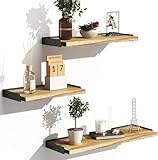
- Top pickBayka Floating Shelves 3pk~$36
- Best budgetSlipstick Furniture Risers 3in 4pk~$20
- Worth the splurgeOutsunny Patio Bistro Set~$180
The good news is that the outdoor furniture market has genuinely improved in the past three years. Materials are better, sizing is more realistic, and you don't have to spend $2,000 to get something that won't look like sad beach chairs after one season. Here's what actually works — and what you should leave at the store.
The materials guide you actually need: wicker vs aluminum vs teak vs Polywood
This is where most people go wrong. They buy based on looks at the store without thinking about their specific climate, how much maintenance they're willing to do, and how long they want the furniture to last. Here's the honest breakdown:
Wicker / resin wicker: The most common outdoor furniture material, and the most misunderstood. Natural wicker outdoors is almost always a mistake — it deteriorates fast in rain and humidity. What you actually want is resin wicker, which is synthetic PE (polyethylene) wrapped around a powder-coated aluminum or steel frame. Done well, this lasts 5-10 years and looks great. Done badly (cheap steel frames, thin weave, no UV stabilizers in the resin), you'll be throwing it out in two. How to tell: pick it up. A good resin wicker set is heavier than you expect. A bad one is alarmingly light.
Aluminum: The most practical choice for most people. Powder-coated aluminum is rust-proof, lightweight (great for small spaces where you rearrange often), holds up in any climate, and requires essentially zero maintenance beyond an occasional wipe-down. The downside is price — quality aluminum costs more than cheap wicker — and it can feel less cozy than cushioned wicker pieces. If you live near salt water, aluminum is the clear winner.
Teak: The prestige option and genuinely worth the money if you can afford it. Teak has natural oils that make it inherently weather-resistant without any treatment — it will silver gracefully over time or you can oil it once a year to keep the warm honey color. Good teak lasts 20-30 years outdoors. Bad "teak" (lesser-grade with thinner walls and cheaper joinery) lasts 3-5. On a small patio, one well-made teak piece — a folding bistro table, a bench — is often the better buy over a full matching set in a lesser material.
Polywood / HDPE lumber: The sleeper pick. High-density polyethylene lumber is made mostly from recycled plastic, it never needs staining or sealing, it doesn't rot or splinter, and it comes in classic Adirondack and Chippendale styles. It's heavier than you'd think (that's the density keeping it stable), it won't blow around in wind, and it genuinely looks better than you'd expect for the price. If you have kids, pets, or a lazy maintenance philosophy, Polywood should be your first look.
How to think about scale on a small patio
The most common mistake: buying furniture at the same scale you'd use indoors. A 36-inch-diameter bistro table that looks fine in a dining room photo will eat your 8-by-8 patio alive. On small patios, you want furniture that does at least two things well — a cooler that doubles as a side table, folding chairs that hang on a wall hook when not in use, a bench that seats two but tucks against a railing.
The 18-inch rule is useful: leave at least 18 inches of clearance on each side of a chair for comfortable movement. On a 6-foot-wide balcony, that means your seating area can be no more than about 36 inches wide, which typically means two chairs without a center table between them, or a small bistro set with chairs that tuck fully under the table when not in use.
Vertical space is almost always underused on small patios. A wall-mounted planter shelf, a folding table that collapses flat against the wall, or a slim bar-height table along a railing adds function without occupying floor space. Think restaurant, not living room.
The best small-patio picks under $300
This is where most people should be shopping. The under-$300 category is genuinely strong right now, particularly in folding and bistro-format furniture.

The splurge case: when it's worth spending more
There are exactly two situations where spending more on outdoor furniture makes sense: (1) you're certain you'll be in the space for five or more years and use it heavily, and (2) you're dealing with a genuinely harsh environment — coastal salt air, extreme UV, freeze-thaw cycles — where cheap furniture will literally disintegrate.
If either of those applies, move your budget to aluminum or solid teak pieces from brands that have been making outdoor furniture for decades. The price premium is real but so is the difference in construction. Mortise-and-tenon joinery on a teak chair vs. screws through particleboard is not a superficial distinction. One lasts 25 years; the other lasts until the first hard winter.
On the cushion front: if you buy any cushioned outdoor furniture, buy the cover too, and store the cushions inside when not in use. No cushion foam — regardless of how it's marketed — survives years of outdoor exposure looking good. The furniture can stay out. The cushions shouldn't.
What to skip: the honestly bad choices
Cheap folding sling chairs with thin frames. The ones that come in a bag and cost $25 each. The sling fabric fades and develops mildew in a single season, the rivets on the frame loosen, and they wobble in a way that makes you not want to sit in them. The savings aren't real — you'll replace them every two years.
Woven rattan-look chairs with steel (not aluminum) frames. Steel rusts. You will see rust stains on your patio and on your cushion covers before the second summer. The listing will say "rust-resistant coating" and that is true for about eight months.
Outdoor rugs marketed as "reversible" for high-traffic areas. They look fine in photos. In practice, they hold water under the surface, create slipping hazards when wet, and develop mildew on the bottom that transfers to your deck. Get a polypropylene one with an open weave that actually dries.
Full sectionals on patios under 120 square feet. The scale is almost always wrong. A sectional needs at least 10 by 14 feet to look intentional rather than crammed. Two chairs and a small table will feel more comfortable and look better.
Matching sets with more than four pieces. Start with the pieces you know you'll use — usually two chairs, a surface, and maybe a footstool — and add from there. A composed small patio always looks better than a full set that's slightly too large for the space.
A full setup guide for under $400
Here's a small patio setup that works for most people and comes in under $400:
Two chairs + small table (bistro format): The Outsunny bistro set above, or similar powder-coated steel or aluminum sets in the $150-200 range. Folding chairs that tuck under the table give you back 80% of your floor space when not in use.
One light source: Outdoor-rated string lights hung along a railing cost $20-30 and change the whole feel of the space after 6pm. A standing lamp like the Govee picks up the slack when there's no overhead attachment point.
One cooler-table piece: The Keter cool bar doubles as a side surface and cooler in one footprint. On a patio where every square foot matters, multi-function pieces pay for themselves immediately.
Cushion storage: The vacuum bags. Bring cushions inside or compress them in storage bags at the end of every season and your furniture will last twice as long.
The remaining $50-100 goes toward a polypropylene rug, a couple of potted plants, and maybe a wall-mounted hook for tools or folding chairs. That's your patio. You don't need more than that to have a space that actually gets used.
What's the most weather-resistant outdoor furniture material?
For zero-maintenance durability, Polywood (HDPE lumber) and powder-coated aluminum are the top choices. Both are rust-proof and require no staining or sealing. Teak is the natural wood option that comes closest — it weathers gracefully and can last 20-30 years with minimal care. Resin wicker over aluminum frames is close behind. Avoid natural wicker, untreated steel frames, or low-grade particleboard outdoor pieces in any climate with rain or humidity.
How do I make a small patio look bigger?
Scale is everything. Choose furniture with legs rather than solid bases — the visible floor space underneath makes the area feel larger. Stick to two or three pieces rather than a full matching set. Use vertical space: wall-mounted shelves, a tall standing lamp, railing planters. Avoid dark, heavy furniture that visually closes in a small space.
Can I leave outdoor furniture out year-round?
Depends on the material and your climate. Powder-coated aluminum, Polywood, and teak can generally stay out year-round in most climates. Resin wicker frames benefit from covers in heavy snow and freeze-thaw conditions. Cushions should always come inside or be stored in weatherproof bags — no outdoor cushion foam stays looking good through multiple wet winters.
What's the minimum patio size for a bistro table and two chairs?
A bistro table with two chairs in folding or tucked configuration needs a minimum of about 6 by 6 feet — and that's tight. For comfortable use with chairs pulled out, you want at least 7 by 8 feet. Look for chairs that tuck completely under the table to preserve floor space when not in use.
Is Polywood worth the price over regular plastic outdoor furniture?
Yes, with caveats. Polywood costs significantly more than basic injection-molded plastic chairs, but the quality difference is real: HDPE is UV-stabilized (colors don't fade badly), structurally rigid, won't crack in cold weather, and is made from recycled materials. Cheap plastic patio chairs flex uncomfortably, fade to a chalky color within two summers, and crack at stress points. If you're furnishing a patio you'll use for more than a couple of years, Polywood's premium pays off.
How do I stop outdoor cushions from going moldy?
Bring them inside when not in use, or store them in vacuum compression bags at the end of each season. The mildew problem is almost always a moisture-trapping issue — foam that stays damp for days after rain will develop mildew regardless of how the fabric is marketed. Look for cushions with quick-dry foam (open-cell construction that drains and dries fast) rather than solid foam.