There's a specific kind of broke that comes with turning 23 and signing your first lease without a roommate's parents cosigning it. You've got a couch someone left on the curb, a mattress on the floor for the first few weeks, and a group chat full of relatives asking what you want for your birthday. The honest answer is never a candle. It's the unglamorous stuff that makes a 500-square-foot rental actually function — closet space, blackout at 6am after a closing shift, a desk lamp that doesn't look like it followed them home from a dorm. This isn't the same list you'd give someone buying their first house with a partner and a Container Store card. It's for someone renting solo or splitting a two-bedroom on a starting salary, and every pick here is under $200, most under $50, and none of them require knowing their decorating style.
- Top pickUtopia Home Velvet Hangers (50pk)~$18
- Worth the splurgeEufy RoboVac 11S Max~$200
Closet math nobody warns you about
Every young adult's first closet is smaller than the one they grew up with, and it's usually stuffed with a mix of wire hangers from the dry cleaner and whatever mismatched plastic ones survived the move. That combination eats space and looks like a mess even when it's technically organized. A set of slim velvet hangers is the cheapest square-footage upgrade that exists — swapping fifty wire hangers for fifty slim ones can free up several inches of usable rod space, and clothes stop sliding onto the floor because the velvet grip actually holds them.
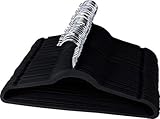
It sounds like a boring gift until you've lived through the alternative. Nobody registers for hangers, nobody budgets for hangers, and almost everyone is using whatever came free with their dry cleaning well into their late twenties.
The desk corner every first apartment ends up with
Somewhere in every studio or first bedroom, there's a corner where a laptop charger, a phone cord, a lamp cord, and a power strip all converge into a nest that nobody has time to deal with. Young renters usually own more cords than furniture at this stage — laptop, phone, headphones, maybe a gaming console — and none of the cable management systems marketed at "home offices" are priced for someone six months into their first real job.
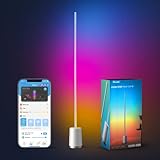
Pair it with a lamp that actually adds light instead of just existing. The Govee corner floor lamp does double duty as a reading light and mood lighting, and it plugs into a phone app instead of requiring an electrician or a landlord's permission — which matters, because most first apartments come with exactly one overhead fixture and it's usually terrible.
Furniture they already own, upgraded for cheap
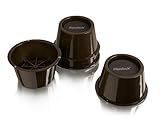
Nobody buys new furniture for a first apartment. It's hand-me-downs, curb finds, and whatever IKEA bed frame survived the last move. Two cheap fixes make secondhand furniture work harder without spending real money on replacements. Furniture risers lift a bed frame a few inches, which sounds trivial until you realize it opens up an entire layer of under-bed storage in a space with no closet to spare — bins for off-season clothes, an extra suitcase, whatever doesn't fit anywhere else.
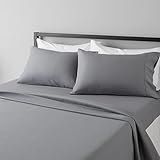
And whatever mattress made the move deserves better sheets than whatever's been recycled since high school. Microfiber sheets are the actual budget-friendly upgrade here — they don't wrinkle, they wash easily in a shared apartment laundry room, and a queen set costs less than a single throw pillow from a home goods store.
Renter-friendly light and privacy control
First apartments are notorious for thin walls, streetlights aimed directly at the bedroom window, and blinds installed sometime during the Clinton administration. Blackout curtains solve two problems at once: they block the 6am sunrise for anyone working nights or just trying to sleep past dawn, and they add a layer of privacy that flimsy mini-blinds never actually provided. The renter-friendly move is a tension rod instead of drilling into a wall you don't own — most young adults don't realize that's an option until someone hands them the curtains and the workaround at the same time.
The chore nobody has time for anymore
Between a first job, a commute, and an actual social life for the first time since college, floors stop getting vacuumed. It's not laziness, it's just that vacuuming loses every time to sleep or a happy hour. A budget robovac fixes this without the four-figure price tag of the flagship models — it's not going to map a mansion, but a young adult's studio or one-bedroom is exactly the size these entry-level robots are built for.
It's the one item on this list that costs real money, which is exactly why it works as a group gift — a few people chipping in on one useful thing beats five separate candles.
One real kitchen tool beats a full set
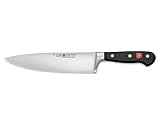
Most first-apartment kitchens have a mismatched drawer of hand-me-down knives that have never been sharp a day in their life. Giving a full knife block is overkill for someone cooking for one or two — what actually changes how someone cooks is a single, genuinely good chef's knife. The Victorinox Fibrox is the knife culinary schools hand new students because it's light, holds an edge, and costs a fraction of what a "gift set" charges for the same functional upgrade.
What to skip
Decorative throw pillows and wall art. You will guess wrong about their taste, and it will end up in the closet you just organized with the velvet hangers.
Anything oversized. A first apartment has no storage and often no elevator. A bulky armchair or a big decorative rug someone has to carry up three flights is a burden disguised as a gift.
Scented candles. They already have three from other well-meaning relatives, and half of renters aren't even allowed to burn them under their lease.
"Adulting kit" novelty gifts. The mugs, the joke signs, the gag gift boxes — funny to unwrap, gone within a month. If it doesn't solve an actual space, light, or chore problem, it's clutter with a bow on it.
A full cookware or knife set. Most new apartments have one working burner they actually use and no cabinet space for a 12-piece set. One good pan or one good knife beats a boxed set every time.
Frequently asked questions
What's actually different about gifts for a young adult's first apartment versus a general housewarming gift?
Budget and space. A young adult renting solo or splitting rent on a starting salary usually has a smaller footprint, no storage, and a tighter total budget than someone buying their first house. The best gifts are cheap, small, and solve a specific problem — closet space, light control, cord chaos — rather than being a big-ticket kitchen appliance or home decor piece.
Is a robovac too expensive for a first-apartment gift?
At around $200 it's the priciest item on this list, which makes it a strong group gift — a few friends or family members splitting the cost. For a studio or one-bedroom, an entry-level model like the Eufy RoboVac 11S Max is genuinely sized right and gets used weekly, unlike a lot of higher-priced gifts that sit unused.
Can you actually hang blackout curtains in a rental without drilling into the wall?
Yes — a tension rod fits inside most standard window frames without any hardware or wall damage, which is the renter-friendly workaround most people don't think to ask about. It holds lightweight to mid-weight blackout curtains just fine for a typical apartment window.
What's the single best under-$30 gift for someone moving into their first apartment?
Velvet hangers, without much competition. They're cheap, they instantly free up closet space that a small apartment doesn't have to spare, and unlike most small gifts, they get used every single day starting the moment they're unwrapped.
Should I get one nice kitchen item or a full starter set for a young adult's first apartment?
One nice item almost always wins. First apartments have limited cabinet space and usually just one or two people cooking, so a single high-quality chef's knife or a good non-stick pan gets used constantly, while a boxed 12-piece set mostly takes up a cabinet that doesn't exist.
What are the biggest gift clichés to avoid for a first apartment?
Candles, decorative throw pillows, wall art you're guessing on, oversized furniture that's hard to move into a walk-up, and "adulting kit" novelty gifts. None of them solve a real space, light, or chore problem, which is the test every gift on this list had to pass.