Here is the thing nobody tells you about 5am workouts: the alarm is not the hard part. The hard part is the three seconds between silence and motion, when your brain has not caught up to your body yet and the bed is still warm. What gets me out of it, reliably, is knowing there is something genuinely good waiting in my earbuds the moment I lace up. Not a podcast. Not music. An audiobook — specifically, the kind of audiobook that grabs you by the collar and does not let go until you have already run four miles without noticing.
I have tested this theory across roughly two years of 5am wake-ups and a lot of bad audiobook choices. The ones that work share a few traits: they move fast, they have real stakes, and they reward you for showing up every single morning. The ones below are the ones I have sprinted to, lifted to, and occasionally walked an extra half mile to finish a chapter.
New to Audible or looking to restart? The free trial gives you access to the entire catalog — more than 500,000 titles — plus one credit to keep a book forever.
Why audiobooks beat podcasts for workouts
Podcasts are great — I listen to them on commutes and on walks where my brain is mostly idle. But a great audiobook does something different: it builds narrative tension across sessions. You put in your earbuds at 5:08am and you already know exactly where you left off. You have been thinking about it, vaguely, since yesterday. There is something you need to find out. That pull is a more reliable alarm clock than any app.
The genre selection matters enormously. Self-help audiobooks are the worst choice for workouts — they ask you to slow down and take notes, which you cannot do mid-run. True crime, thrillers, narrative nonfiction, and business books that read like stories are the genres that consistently produce the one-more-mile effect. Here is the list.
True crime and thrillers: the ones that make miles invisible
Nothing makes a treadmill disappear faster than a story that makes your heart rate climb for a completely different reason. These are the books you will resent every time you have to stop.
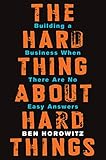

Narrative nonfiction: the books that feel like they are written for motion
Narrative nonfiction hits different on a run. You are listening to true stories — things that actually happened — and the forward momentum of real events pairs perfectly with physical forward momentum. These are personal favorites for long runs or heavy lift days.

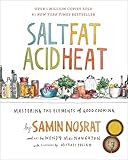
Business books that actually move: the category done right
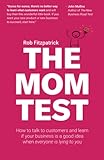
Most business audiobooks are bad workout companions — they are structured for offices, not ellipticals. The ones that work are the ones where the author had something actually difficult happen to them and is telling you about it honestly. Those books have real stakes and real stories, and they hit differently when your body is already under load.
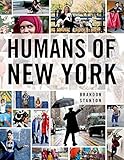
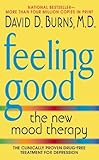
How to build the habit that actually sticks
The audiobook is the reward, not the workout. Once you accept that framing, everything gets easier. You do not allow yourself to listen to the current book at any other time of day — only during the workout. This creates a genuine pull toward the 5am alarm that no amount of discipline can manufacture artificially. The book is waiting. The only way to find out what happens next is to get up.
A few other things that help: never queue a book you are not genuinely excited about. If you are three chapters in and not hooked, abandon it. Life is short and your 5am window is precious. Also listen at 1.25x or 1.5x speed. It keeps the pacing up and most narrators sound better slightly accelerated.
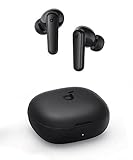
For gear, the only thing that matters is earbuds that stay in during sweaty sessions. The Soundcore P3i earbuds have IPX5 sweat resistance, a secure fit, and sound quality that actually does justice to a good narrator.
Start with the free trial — then go deep
If you are not already on Audible, the free 30-day trial is the no-brainer starting point. You get the full catalog plus one free credit that you keep forever even if you cancel. Use the credit on one of the books above. Spend two weeks building the 5am audiobook habit before you decide whether to stay on the monthly membership. My guess is you will stay.
What genre of audiobook works best for workouts?
True crime, thrillers, and fast-paced narrative nonfiction are the most reliable workout genres because they create genuine forward tension — you need to find out what happens next. Business books work if they read like stories. The Hard Thing About Hard Things is the best example. Self-help books are the worst choice for active workouts because they ask you to slow down and reflect, which you cannot do mid-sprint.
Is Audible worth it if I only listen during workouts?
One credit per month at $14.95 is worth it if you work out three or more times per week and finish roughly one book per month. At 1.25x speed and 45-minute sessions, that is a comfortable pace for most books. If you work out less frequently, use the credit on a long book (ten-plus hours) and pause your membership between credits. Credits you buy never expire.
What speed should I listen to audiobooks at during a workout?
1.25x is the sweet spot for most people — fast enough to maintain energy, slow enough to catch every word. 1.5x works well once you have found a narrator whose voice you are comfortable with. Avoid anything faster than 1.75x unless you are already an experienced fast-listener; you will miss emotional beats and nuance that make the stories worth listening to.
Should I use the same audiobook for every workout or switch between books?
One book at a time, exclusively during workouts, is the most powerful system. The anticipation builds between sessions and the story becomes part of your morning routine identity. Switching between multiple books dilutes the pull. The exception: if a book is not holding your attention after three sessions, abandon it without guilt and move to the next one.
What are the best earbuds for workout audiobooks?
You need IPX4 or better sweat resistance, a secure fit that does not require adjustment mid-run, and enough sound quality to hear narrator nuance. The Soundcore P3i hits all three at around $45. If you want premium audio quality for lifting or cycling where earbuds falling out is less of a concern, the Sony WH-1000XM5 over-ear headphones are in a different league entirely. For running specifically, stay with in-ear IPX5 or better.
Does listening to audiobooks during workouts hurt performance?
No — for steady-state cardio, lifting, and endurance workouts, narrative audio actually improves performance by keeping you in the zone and reducing perceived exertion. The exception is highly technical workouts that require counting reps or following complex instructions; for those, save the audiobook for the warm-up and cool-down and use music during the main session.