Jeans are a trap. You walk into a store (or more likely, you open seven tabs), and immediately encounter a wall of decisions: skinny, straight, wide-leg, relaxed, rigid, stretch, raw, selvedge, mid-rise, high-rise, $30, $300. Most people either give up and buy whatever fits, or overspend on a pair they're afraid to actually wear. Neither approach gets you what you want.
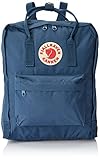
- Top pickFjallraven Kånken Backpack~$80
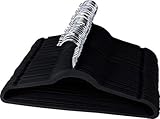
- Best budgetUtopia Home Velvet Hangers (50-pack)~$18
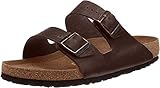
- Worth the splurgeBirkenstock Arizona Sandals~$110
What you actually want: jeans that look good on Monday morning and still look good on Friday night. Jeans that survive being washed wrong, sat in for 12 hours, and crammed into a bag. Jeans that hold their shape after a year instead of going shapeless and sad. That's not a fantasy — it's a fabric and construction question. And once you understand it, buying jeans becomes dramatically simpler.
What actually makes jeans last (the boring part that matters)
Before we get to specific picks, here's the one thing worth understanding: denim quality comes down to fabric weight, fiber content, and construction — in that order.
Fabric weight is measured in ounces per square yard. Lightweight denim (8–10oz) drapes softly, fades quickly, and is comfortable in warmer weather but wears out faster. Midweight (11–13oz) is the sweet spot for most people — substantial enough to hold structure, comfortable enough for everyday wear. Heavyweight (14oz+) is the territory of raw denim enthusiasts; these jeans take months to break in and will outlast you if you care for them properly.
Fiber content matters more than most brands admit. 100% cotton denim will shrink slightly, fade beautifully over time, and last for years. The "stretch" in stretch denim comes from elastane (also labeled spandex or Lycra) — usually 1–3% of the fabric. A little elastane (1–2%) gives you ease of movement without wrecking the structure. More than 2–3% and you're getting into legging territory: comfortable today, baggy and misshapen in six months.
Construction details tell you where corners were cut. Look for: chain-stitched seams (they flex instead of break), bar tacks at stress points (pocket corners, fly bottom), and copper rivets instead of plastic. On the inside, check that the selvedge or seam allowances aren't paper-thin. Premium jeans use better thread, better hardware, and more of it.
Stretch vs. rigid: which one is actually right for you
The honest answer: it depends entirely on how you move through your life, and neither is objectively better.
Rigid (non-stretch) denim — meaning 98–100% cotton — looks the best. Period. It holds its shape, has a cleaner silhouette, fades in beautiful wear patterns, and ages like a leather jacket instead of a gym shirt. The trade-off is that it's less forgiving on your body, requires more careful sizing, and feels stiff for the first 20–30 wears until it breaks in. If you mostly sit at a desk and want jeans that look great in photos and at dinner, rigid denim is worth the adjustment period.
Stretch denim wins on comfort and versatility. If you're on your feet all day, carry kids, cycle to work, or just like being able to bend without thinking about it, a touch of elastane makes jeans dramatically more wearable. The key is buying quality stretch denim (from brands that use low elastane content and proper cotton weight) rather than the thin, high-stretch fabric that goes baggy at the knees after 40 washes.
A good rule of thumb: if your jeans bag out at the knee or seat within a few months, you have too much elastane or too little fabric weight. The fix is going up in fabric quality, not necessarily fit.
The picks: jeans worth spending real money on
A note on Amazon and jeans: name-brand denim is genuinely available on Amazon, often at better prices than brand websites, with the added benefit of free returns. The picks below are all on Amazon with Prime shipping — which matters when you're ordering three different sizes to find your fit.
The Levi's 501 is the first rigid denim pick worth naming. 100% cotton, button fly, straight leg, ~12oz fabric weight — the blueprint every other jean is measured against. It's not the most flattering fit on every body, but it's the standard. Size up one in the waist; they shrink slightly in the first few washes. Available on Amazon in every wash and length.
Note: The Kånken is a lifestyle pairing pick — see the full everyday carry breakdown in our everyday carry article →
What to look for at different price points
The denim market has three real tiers, and the jump between them is more pronounced than in almost any other clothing category:
Under $60: Mostly high-elastane stretch denim with lightweight fabric. Fine for occasional wear, bad for daily use. You'll get 1–2 years before the shape goes. Levi's and Wrangler are the exceptions in this range — their basic cuts use real cotton weight and minimal stretch.
$60–150: The sweet spot. This is where you find Levi's Made in USA line, AG Jeans, Madewell, and Uniqlo selvedge (frequently on sale). Fabric weight is honest, construction is solid, and you'll get 5+ years of actual use. Most people should live in this range.
$150–300+: Raw and selvedge denim, heritage American brands (Raleigh Denim, 3Sixteen, Iron Heart). These jeans are better in ways that require you to care about denim as a material. They're worth it if you are that person. They're not worth it if you're going to machine-wash on hot.
The honest thing about expensive denim: you're paying for fabric quality and construction, not for a logo. A $250 pair from a heritage brand will genuinely last a decade with care. A $250 pair with a designer logo sewn on fast-fashion fabric is just expensive bad jeans.
How to wash jeans so they actually last
Most denim damage is self-inflicted via laundry. Here's what the brands that make jeans that last actually say to do:
- Wash less often. Every 5–10 wears is plenty for most lifestyles. Between washes, hang them out to air. Dark denim especially benefits from infrequent washing — every wash fades the color slightly.
- Cold water only. Hot water breaks down elastane, shrinks cotton unevenly, and accelerates color loss. Always cold.
- Turn them inside out. Reduces friction on the outer face of the fabric, preserves color and surface texture.
- Hang dry or tumble low. High dryer heat is the biggest killer of denim longevity. The waistband shrinks, the elastane degrades, and the fibers stress. Low heat or air dry extends the life of any pair by years.
- Spot clean when possible. A damp cloth handles 80% of the small stains that would otherwise trigger a full wash.
The counterintuitive truth: the people who wear jeans the longest are the ones who wash them the least. Levi's CEO famously said he hadn't washed his 501s in a year. That's an extreme. But the principle holds — treat denim more like a jacket than a t-shirt.
One more care detail: how you hang your jeans matters. Folding denim in a drawer creates permanent crease lines in the fabric. Hanging on proper slim velvet hangers keeps the shape, lets the fabric breathe, and prevents the bagging at the seat that comes from jeans sitting compressed. The same hangers that save your shirts save your jeans.
The comparison table: what actually differentiates denim
| Feature | Budget ($30–60) | Mid-range ($60–150) | Premium ($150+) |
|---|---|---|---|
| Fabric weight | 8–10oz (light) | 11–13oz (midweight) | 12–16oz (heavy) |
| Elastane content | 3–5% (high stretch) | 0–2% (low/none) | 0–1% (rigid/minimal) |
| Shape retention | Poor after 6–12 months | Good for 3–5 years | Excellent, decades |
| Construction | Lock-stitch, plastic rivets | Mix; bar tacks at stress points | Chain-stitch, copper rivets, selvedge |
| Cost per year | $30–60/yr (replace annually) | $15–30/yr (5yr lifespan) | $15–25/yr (10yr lifespan) |
The cost-per-year math is the argument for buying better. A $40 pair that needs replacing every 18 months costs more over a decade than a $100 pair that lasts eight years. And the $100 pair looks better the whole time.
Frequently asked questions
Q: How much should I actually spend on a good pair of jeans?
$80–120 is the honest sweet spot for most people. Below that and you're compromising on fabric weight or construction; above $150 and you're paying for heritage, raw denim, or brand premium that only matters if those things matter to you. The Levi's 501 at $60–80 and the Madewell Slim at $98–128 represent the best value in their respective fits.
Q: What's the difference between selvedge denim and regular denim?
Selvedge denim is woven on old-style shuttle looms that produce a self-finished edge (the "selvedge"), which means the edge of the fabric doesn't fray. This process uses fewer yards of fabric per pair, is slower, and produces a denser, more durable weave. Regular (open-end spun) denim is woven on projectile looms, finished with an overlocked edge, and is cheaper to produce. Selvedge denim isn't necessarily better in everyday terms — it's better if you care about wear patterns, longevity, and the specific aesthetic of faded raw denim over years of wear.
Q: Should I size up or down when buying jeans online?
For rigid (100% cotton) denim: size up 1 in the waist, they'll shrink 0.5–1 inch in the first few washes. For stretch denim: go true to size or slightly down — elastane prevents shrinkage and the fabric will relax with wear. For raw denim: size up 1–2 in the waist and plan for 1–2 inches of shrinkage. Always check the brand's specific size chart; there's no universal standard for denim sizing across brands.
Q: Why do my jeans bag out at the knees after a few months?
Almost always a fabric issue: too much elastane, too little fabric weight, or both. High-elastane fabrics stretch with wear and lose their recovery — the fabric doesn't bounce back to its original shape. The fix is to wash your jeans (cold, inside out) which reactivates the fibers, and to buy jeans with lower elastane content next time. If your jeans are bagging after every wear regardless of washing, the fabric quality is below the threshold where this problem is fixable.
Q: Are expensive jeans actually worth it, or is it just branding?
It depends entirely on which expensive jeans. A $250 designer pair using 8oz stretch fabric is not worth it — you're paying for the logo. A $200 pair from a heritage denim brand using 13oz Japanese selvedge with chain-stitched seams is genuinely worth it for longevity and wear character. The way to tell the difference: look up the fabric weight (oz per yard) and elastane percentage. Any brand selling "premium" denim that won't tell you this information is selling you branding, not fabric.
Q: How do I get jeans hemmed without ruining the original hem?
Ask for a "chain-stitch hem" or "original hem" at a tailor. The technique preserves the original distressed/finished hem by cutting the excess from above it and reattaching the original cuff. Most tailors charge $15–30 for this. Denim bars in major cities specialize in it. Regular machine hemming removes the original hem and replaces it with a clean new one, which looks wrong on most jeans — especially dark or raw denim. Budget an extra $20 when you buy new jeans that need hemming.