Setting up a home coffee bar is one of those projects where the advice online is almost always either wildly over-complicated ("you need a $2,000 espresso machine and a PID-controlled grinder") or uselessly generic ("just get a Keurig"). Genuinely excellent home coffee is available at every budget — you just need to know which pieces actually matter and which ones are gear-collector bait. The short version: the grinder is always the priority. Every other decision flows from there.
Why the grinder comes first — always
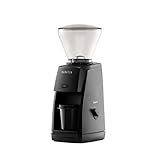
Pre-ground coffee starts going stale within minutes of grinding. Oxidation attacks flavor compounds almost immediately, which is why coffee ground on Tuesday and brewed on Thursday tastes flat and papery. Every dollar you spend on a good grinder returns more cup quality than the same dollar spent on a fancier brewer. A burr grinder (as opposed to a blade grinder, which just chops) produces a consistent particle size. Consistent particles extract evenly — sweet, complex notes from the bean instead of a mix of over-extracted bitterness and under-extracted sourness in the same cup.
Pour-over vs. espresso: picking your path
Pour-over is for people who drink black coffee or coffee with a little milk. Clean, nuanced cup, inexpensive equipment ($45–$80 for everything), fast cleanup. If you've ever had a coffee that tasted like fruit or chocolate in a way that surprised you, that was almost certainly pour-over. Espresso is for lattes, cappuccinos, cortados. The equipment costs more ($300+ minimum), the learning curve is steeper, but the ceiling is higher. The AeroPress is the third path that gets undersold — $35, makes an espresso-adjacent concentrate in two minutes, the coffee gear of choice for World Barista Champions when they travel.
The beginner tier ($50–150)
The Chemex has been made the same way since 1941. It's borosilicate glass, uses thick bonded filters that remove oils and sediment, and produces a clean, bright cup. It also looks like something from a design museum. The 6-cup size is right for 1–3 people.

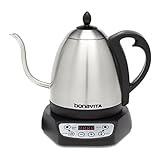
You also need a gooseneck kettle. A regular kettle pours too fast and too imprecisely. Bloom time, pour rate, and spiral technique all affect extraction.

The intermediate tier ($150–400): the real sweet spot
This is the tier where your home coffee bar becomes something you genuinely look forward to. The Baratza Encore ESP is the cornerstone purchase. Add the Chemex and Bonavita kettle and you have a complete pour-over setup for around $320 that rivals $6 specialty cups. The setup pays for itself in roughly four months if you're currently buying a daily coffee out.
One more addition worth making at this tier: a proper storage canister. Whole beans start oxidizing from the moment the bag is opened. The Fellow Atmos uses a twist-to-vacuum mechanism that removes oxygen from the container. It's noticeable.

What you actually need on the counter
Worth the counter space: Your grinder (use it daily). Your brewer — Chemex, AeroPress, or espresso machine. Your kettle. A small scale if you're doing pour-over seriously. Your bean canister. Skip entirely: Pod machines (inferior coffee, more expensive per cup). "Coffee bar" accessory kits with decorative spoons and tiny creamers.
What's the single best upgrade for home coffee if I can only buy one thing?
A burr grinder, full stop. Pre-ground coffee starts going stale almost immediately. Grinding fresh beans right before brewing is the single biggest quality improvement you can make. The Baratza Encore ESP is the right buy for most people.
Is a gooseneck kettle actually necessary or just a gimmick?
For pour-over methods (Chemex, V60, Kalita Wave), it's genuinely necessary. The gooseneck spout gives you precise control over pour rate and direction, both of which affect extraction. For AeroPress, most people manage fine without it.
What's the best home coffee setup under $100?
AeroPress ($35) + pre-ground beans from a local roaster + a regular kettle you already own. That combination will produce better coffee than most $200 drip machines.
How do I store coffee beans properly?
Whole bean coffee should be stored in an airtight container at room temperature, away from direct sunlight. Not in the freezer — the freeze-thaw cycle introduces moisture. The Fellow Atmos vacuum canister actively removes oxygen. Beans are best within 2–6 weeks of roast date.
Pour-over vs. AeroPress: which should I start with?
If you want the full ritual and often make coffee for 1–3 people at once, start with the Chemex. If you want speed, portability, and a more forgiving learning curve, start with the AeroPress.
Do I really need to weigh my coffee?
At the beginner level, no — a tablespoon scoop is fine. But if a cup ever tastes "off," the answer is usually the coffee-to-water ratio. A cheap kitchen scale ($15) makes your results consistent. The standard pour-over ratio is 1:16 (1g coffee to 16g water).